New York City’s Metropolitan Pulse: Unpacking Urban Development and Community Debates
New York City, a vibrant tapestry of cultures, commerce, and community, constantly evolves. The early 2010s marked a particularly dynamic period, characterized by significant shifts in urban planning, policy debates that shaped public spaces, and cultural trends that redefined neighborhoods. This digest delves into a snapshot of critical discussions and developments that captivated residents across the five boroughs, offering insights into the complex interplay between progress, preservation, and the pursuit of a better metropolitan experience.
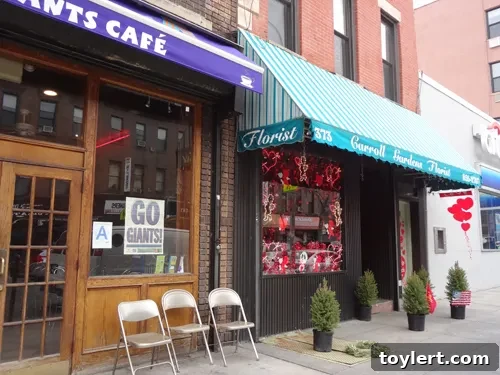
Amidst the bustling discussions on policy and urban planning, the spirit of New York often finds expression in local triumphs and shared celebrations. The image captures a moment of this collective pride, perhaps reflecting the community’s enthusiasm for the New York Giants’ success around this time – a reminder that even amidst weighty urban issues, local identity and shared experiences continue to thrive.
Navigating Public Space: The Debate Over Churches in NYC Schools
A significant debate unfolded in Albany concerning the continued use of public school facilities by religious organizations. This discussion touched upon fundamental principles of the separation of church and state, balanced against the need for community spaces and religious freedom. Advocates for allowing churches to use schools often highlighted the financial benefits to the schools through rental fees and the importance of providing accessible venues for community groups, particularly in areas where dedicated religious structures might be scarce or prohibitively expensive. They argued that denying access could be seen as discriminatory and that these groups often contribute positively to the community fabric.
Conversely, opponents expressed concerns about potential proselytization within public, secular spaces and the precedent it could set. They emphasized the importance of maintaining a clear demarcation between religious instruction and public education environments to protect students of all backgrounds and beliefs. The core of the argument revolved around whether public school buildings, funded by taxpayers, should be utilized for religious worship, prompting a complex legal and ethical discussion that had far-reaching implications for public policy and community relations across New York State.
Further Reading: Albany Is Urged to Let Churches Keep Using Schools [NY Times]
Reshaping Commerce: Zoning Proposals on the Upper West Side
The Upper West Side, known for its distinctive residential character and tree-lined streets, faced a pivotal moment with proposed zoning changes aimed at regulating its retail landscape. These proposals sought to curb the proliferation of large chain stores and to protect the unique charm and economic diversity offered by smaller, independent businesses. Residents and community activists often championed these efforts, expressing a desire to preserve the neighborhood’s identity against the homogenizing effect of national retailers.
The proposed retail limits sparked intense discussion among business owners, developers, and local residents. Proponents argued that such zoning initiatives were crucial for fostering local entrepreneurship, maintaining competitive rental rates for small businesses, and ensuring that the Upper West Side retained its distinctive appeal. They believed that an unchecked influx of large-scale retail could lead to higher rents, pushing out beloved local establishments and altering the community’s economic fabric. Opponents, however, sometimes argued that restrictive zoning could stifle economic growth, limit consumer choice, and potentially create barriers for businesses looking to invest in the area. This debate highlighted the ongoing tension between preserving neighborhood character and promoting commercial vibrancy in one of Manhattan’s most desirable districts.
Further Reading: Retail Limits in Zoning Plan for the Upper West Side [NY Times]
Justice System Spotlight: Bail Denied in Brooklyn Police Shooting Case
In a solemn development, a suspect involved in a police shooting incident in Brooklyn was denied bail. This decision underscored the serious nature of the charges and the legal system’s response to incidents involving law enforcement. Cases of this magnitude often draw significant public attention, igniting community discussions about public safety, police accountability, and the judicial process. The denial of bail typically signifies that the court views the defendant as a potential flight risk or a danger to the community, reflecting the grave implications of the alleged crime.
Such events invariably lead to heightened scrutiny from the media and the public, emphasizing the critical role of justice in maintaining societal order and trust. The legal proceedings following a police shooting are complex, involving investigations, witness testimonies, and expert analyses, all under the watchful eye of a community seeking answers and accountability. This particular case, like others of its kind, served as a stark reminder of the challenges inherent in urban policing and the pursuit of justice in sensitive circumstances.
Further Reading: No Bail for Suspect in Police Shooting in Brooklyn [City Room]
A Boardwalk Landmark on the Move: Coney Island’s Unique Relocation Project
Coney Island, a legendary entertainment destination, continued its revitalization with an extraordinary undertaking: a business owner’s plan to move an entire building from the boardwalk. This ambitious project highlighted the intricate balance between preserving Coney Island’s iconic heritage and embracing modern development. The relocation of structures, rather than demolition, often reflects a commitment to maintaining the area’s historical charm and unique architectural identity, even as new attractions and infrastructure are introduced.
Such an endeavor is a logistical marvel, requiring meticulous planning and engineering expertise. The reasons behind such a move can vary, including making way for new boardwalk expansions, enhancing public access, or repositioning businesses for better visibility and operational efficiency within a rapidly evolving entertainment district. This particular relocation symbolized the ongoing transformation of Coney Island, illustrating a strategic approach to urban development that seeks to honor its past while building a dynamic future for one of New York City’s most beloved recreational areas. It’s a testament to the ingenuity and dedication of those striving to keep Coney Island a vibrant and accessible destination for generations to come.
Further Reading: Coney Biz Owner To Move Entire Building From Boardwalk [NY1]
Community Voices: Park Slope’s Response to the ‘Cash for Gold’ Trend
Park Slope, a quintessential Brooklyn neighborhood known for its historic brownstones and strong community identity, found itself grappling with the rise of “cash for gold” businesses. While a nationwide trend driven by economic fluctuations and rising gold prices, the influx of these establishments was met with a degree of resistance and criticism from some residents who found the overt nature of their marketing and their sudden appearance to be “too brash” for the neighborhood’s aesthetic and cultural sensibilities.
The “cash for gold” phenomenon often brought with it brightly colored signage and a distinct commercial atmosphere that contrasted with Park Slope’s more understated and charming retail environment. Community members voiced concerns that these businesses, while fulfilling a market need, might detract from the neighborhood’s visual appeal and alter its established character. This reaction underscored a broader debate in rapidly gentrifying areas about the balance between diverse commercial offerings and the preservation of a neighborhood’s unique identity. It highlighted how local communities actively engage in shaping their surroundings, expressing preferences for types of businesses that align with their perceived values and aesthetics.
Further Reading: ‘Cash for Gold’ is Too Brash for Some Slopers [BK Paper]
Crossing the Bridge: The Culinary Exodus to Williamsburg
The early 2010s witnessed a significant shift in New York City’s culinary landscape, particularly with a noticeable trend of acclaimed eateries “crossing the bridge” to Williamsburg, Brooklyn. Once primarily an industrial area, Williamsburg had by this point blossomed into a cultural and residential hotspot, attracting a younger demographic and fostering a vibrant creative scene. This migration of restaurants, often from Manhattan, was driven by a confluence of factors, including more affordable rents compared to prime Manhattan locations, a burgeoning local population with a taste for diverse and innovative dining experiences, and a desire for chefs to be part of an emerging, dynamic food community.
This culinary migration significantly contributed to Williamsburg’s reputation as a gastronomic destination, making it a hub for innovative cuisine, craft cocktails, and unique dining concepts. It also reflected a broader decentralization of New York City’s cultural and economic gravity, with Brooklyn emerging as a powerful force in its own right. The influx of new restaurants not only diversified the local food scene but also played a role in the ongoing gentrification and transformation of the neighborhood, cementing Williamsburg’s status as a must-visit destination for food enthusiasts and a prime example of urban evolution in action.
Further Reading: Eateries Cross the Bridge to Williamsburg [WSJ]
These diverse stories from the early 2010s collectively paint a vivid picture of New York City as a metropolis in perpetual motion. From high-stakes policy debates in Albany to localized community reactions in Brooklyn and Manhattan, each event underscores the city’s unique capacity for transformation. Balancing historical preservation with future-forward development, and community values with economic imperatives, New York City continues its intricate dance of urban evolution, ever adapting, ever vibrant, and always generating conversations that shape its future.