Brooklyn’s Dynamic Pulse: Real Estate, Culture, and Community Insights
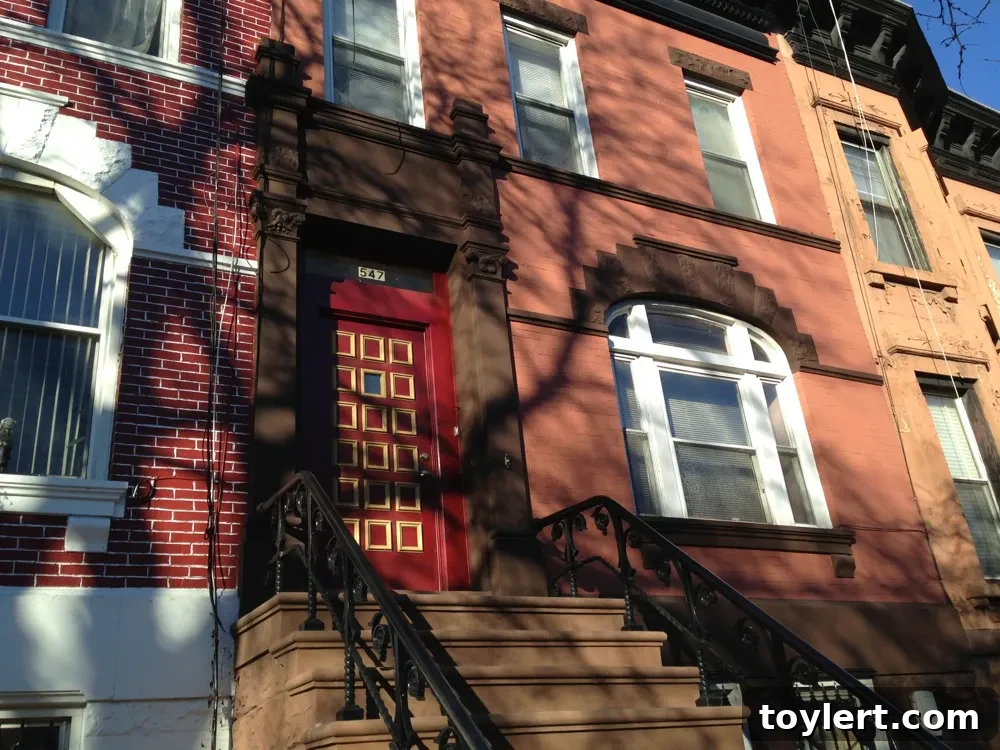
Brooklyn, New York City’s most populous and arguably most dynamic borough, consistently captivates with its ever-evolving landscape. From its historic brownstones to its cutting-edge new developments, vibrant arts scene, and deeply engaged communities, Brooklyn is a borough in constant motion. This comprehensive overview delves into recent headlines that paint a detailed picture of Brooklyn’s multifaceted character, covering everything from complex real estate trends and significant cultural events to crucial community dialogues and local political developments.
The narratives unfolding across Brooklyn’s diverse neighborhoods reflect a city grappling with rapid growth, the persistent challenge of housing affordability, and the delicate preservation of its unique identity. Whether it’s the intense competition for housing, the excitement of a new cultural venue, or the intricacies of urban planning, each story contributes to the rich tapestry that defines Brooklyn in the 21st century. Join us as we explore the pulse of Brooklyn, analyzing the key news stories that are shaping its present and future, highlighting the innovation, challenges, and enduring appeal of this iconic New York City borough.
Navigating Brooklyn’s Transformative Real Estate Landscape
Brooklyn’s real estate market remains a hotbed of activity, reflecting both the borough’s immense desirability and the ongoing challenges of urban living in a densely populated area. Housing trends consistently make headlines, illustrating the diverse demands and innovative solutions emerging within its neighborhoods. In picturesque Windsor Terrace, for instance, a notable trend highlights the practicalities and benefits of “One Roof for Two Households.” This approach to living often involves multi-generational families or co-living arrangements, underscoring the necessity for adaptable housing solutions in a city where space is at a premium and familial or communal support networks are invaluable. Such arrangements often arise from a desire to remain in beloved neighborhoods while adapting to modern economic realities, showcasing the resilience and adaptability of Brooklyn residents.
The dream of secure housing or homeownership in Brooklyn, however, frequently comes with significant hurdles. The stark reality of the city’s pervasive affordable housing crisis is vividly illustrated by the long lines and incredibly low odds for New York’s subsidized housing lotteries. This phenomenon highlights the immense and overwhelming demand for affordable housing options that simply cannot keep pace with the borough’s rapid growth and increasing property values. Thousands apply for a mere handful of units, underscoring the critical need for more comprehensive strategies to address housing inequality and ensure that Brooklyn remains accessible to residents across all income brackets. This fierce competition for affordable living is a direct consequence of Brooklyn’s rising status and the extensive gentrification that has redefined many of its formerly accessible enclaves.
Urban development continues unabated across Brooklyn, particularly in areas undergoing significant transformation. In East New York, new construction projects signal a shift towards greater urbanization, with permits filed for 494 Fountain Avenue. Such filings are crucial bellwethers of future growth, indicating where the next wave of residential and commercial expansion is expected. These developments promise new housing and amenities but also raise important questions about community integration, infrastructure strain, and the preservation of local character. Similarly, even established neighborhoods are not immune to change and modernization, as evidenced by the “New Look” at 61 Park Place in Park Slope. This project likely involves significant modern renovations or a complete architectural overhaul, reflecting the ongoing investment in prime Brooklyn locations and the continuous evolution of design aesthetics within its historic streetscapes.
The luxury segment of Brooklyn’s real estate market also commands considerable attention, showcasing the borough’s appeal to affluent buyers. A modern smart home in Cobble Hill selling for $6 Million is a powerful testament to the borough’s prestige. Cobble Hill, known for its charming, tree-lined streets, historic brownstones, and upscale amenities, exemplifies the high-end market where cutting-edge technology and sophisticated design meet quintessential Brooklyn charm. This record-breaking sale underscores the significant appreciation of property values in Brooklyn’s most sought-after districts, drawing in a demographic willing to invest substantially in prime urban living spaces equipped with state-of-the-art features.
Meanwhile, the commercial real estate sector also showcases remarkable transactions and speculative investment. The news that Adam America paid $23 Million for a flipped East Williamsburg White Castle, rather than the initially reported $6.7 Million, dramatically highlights the rapid escalation of land values and the intense speculative nature of development in transforming neighborhoods. East Williamsburg, once a predominantly industrial area, has rapidly become a hot commodity for developers, symbolizing Brooklyn’s relentless push towards redevelopment and the potential for substantial returns on investment, even for parcels previously occupied by iconic but unassuming establishments like the beloved White Castle.
Even Bushwick, a neighborhood that has experienced dramatic artistic and residential revitalization, continues to see high demand for its new residences. The report of “One Apartment Left at 13 Melrose in Bushwick,” complete with enticing features like pools and “hip art installations,” points to the swift absorption of new luxury units. This indicates the strong appeal of Bushwick’s vibrant artistic vibe and continually developing infrastructure, attracting residents looking for modern amenities within a culturally rich environment. Such brisk sales further cement Bushwick’s status as a highly desirable Brooklyn destination for a new generation of residents.
Cultural Vibrancy and Community Engagement in Brooklyn
Beyond its bustling and often contentious real estate market, Brooklyn thrives as a dynamic cultural hub, continually enriching its residents and visitors with diverse artistic and community events. The borough’s unwavering commitment to culture is powerfully evident in plans for a significant Noguchi Show at the Brooklyn Botanic Garden. This exciting exhibition promises to blend art and nature seamlessly, offering a serene yet profoundly thought-provoking experience within one of Brooklyn’s most beloved green spaces. Isamu Noguchi’s iconic sculptures, known for their organic forms and masterful integration with natural landscapes, will undoubtedly draw a wide and appreciative audience, reinforcing the Botanic Garden’s crucial role not just as a sanctuary of flora but also as a vibrant and indispensable cultural institution.
Adding to Brooklyn’s growing reputation as a premier entertainment destination is the highly anticipated reopening of the Downtown Brooklyn’s Paramount Theatre as a cutting-edge music venue. This historic theater, once a majestic movie palace, is set to reclaim its former glory, bringing a new wave of live performances back to the very heart of Downtown Brooklyn. Its revival will not only honor a significant piece of Brooklyn’s rich past but also significantly enhance the borough’s burgeoning nightlife and cultural offerings, providing another major platform for artists and a vibrant space for music lovers, complementing the nearby and highly popular Barclays Center.
Community engagement remains a cornerstone of Brooklyn life, particularly as residents navigate the profound effects of rapid urban change. The Stringer Speaks at BRIC Gentrification Town Hall event highlights the ongoing, critical, and often impassioned dialogue surrounding gentrification. These public forums are absolutely crucial for addressing resident concerns about displacement, the erosion of housing affordability, and the changing cultural character of their neighborhoods. They provide an invaluable platform for community leaders and elected officials to discuss proactive strategies for inclusive growth, striving to ensure that Brooklyn’s development benefits all its inhabitants, not just affluent newcomers. Such discussions are vital for fostering a sense of collective responsibility and shaping public policies that protect and empower vulnerable communities.
On a lighter note, Brooklyn also frequently finds its way into the fabric of popular culture. A memorable video of Broad City terrorizing Gowanus Whole Foods perfectly exemplifies how the borough’s unique locales become backdrops for comedic and relatable narratives. This specific instance captures the quirky, often irreverent spirit of Brooklyn, appealing strongly to both locals who recognize the everyday scenes and a wider audience who appreciate the show’s authentic and humorous portrayal of city life. It subtly underscores the fascinating blend of commercial development (like a prominent Whole Foods market) with the distinctive, sometimes unconventional, character of neighborhoods like Gowanus.
Infrastructure, Politics, and Unique Local Stories
The daily lives of Brooklynites are profoundly affected by the state of urban infrastructure and the dynamics of local politics. The announcement of no weekend L Train service between Brooklyn and Manhattan for 6 weeks is a significant piece of news for countless commuters. The L Train is a vital artery, connecting vibrant Brooklyn neighborhoods like Williamsburg and Bushwick directly to Manhattan, and its disruption, while often necessary for essential maintenance and critical upgrades, poses considerable logistical challenges for thousands. This recurring issue highlights the constant battle between crucial infrastructure upkeep and the daily needs of a burgeoning population, forcing residents to find alternative routes and adapt their weekend plans, often with frustration.
Political integrity and accountability are also key concerns in Brooklyn, especially given the rapid pace of development. The story of ex-New York City Councilman Erik Dilan being fined for ties with a Brooklyn developer serves as a stark reminder of the paramount importance of transparency and ethical conduct in local government. Such incidents underscore the urgent need for strict ethical guidelines and vigilant oversight, particularly in a city where real estate development and political influence can often intersect in complex ways. Ensuring public trust in elected officials is absolutely paramount for healthy democratic governance and for preventing conflicts of interest that could undermine fair and equitable development practices.
Brooklyn’s growing national prominence is further underscored by its ambition to host major national events. The ambitious Brooklyn bid for the 2016 DNC (Democratic National Convention), which notably included a substantial $20 million contribution and strategic support from influential figures like Anna Wintour, powerfully demonstrates the borough’s readiness and capacity to host high-profile national gatherings. Hosting the DNC would have brought significant economic benefits and immense prestige, further solidifying Brooklyn’s image as a major player on the national stage, fully capable of orchestrating complex events with substantial logistical demands and global attention.
Finally, amidst the grand narratives of development and culture, Brooklyn often surprises with unique and quirky local stories that add an inimitable color to its urban fabric. The unusual news of a beloved Dumbo dog memorial being ousted by an upscale developer highlights the often-stark friction between relentless rapid urbanization and cherished community sentiment. These small, personal landmarks often hold deep emotional meaning for locals, and their removal can spark impassioned debates about what elements of a neighborhood are truly worth preserving in the face of relentless and often impersonal development. Similarly, the peculiar saga of police seizing 105 more Gowanus bunnies after finding others had syphilis is a truly unique tale that could only happen in New York. While seemingly bizarre, it touches upon important issues of urban wildlife management, animal welfare concerns, and the unexpected challenges that arise when diverse populations – both human and animal – coexist in a dense, bustling urban environment. Such stories, while niche, contribute significantly to the vibrant, unpredictable, and utterly charming character that makes Brooklyn so endlessly captivating.
Conclusion: Brooklyn’s Enduring Appeal and Future Horizons
From the intricate dance of its real estate market, where multi-million dollar luxury homes and fiercely contested affordable housing lotteries coexist, to its flourishing cultural institutions and the spirited debates shaping its future, Brooklyn remains a borough of striking contrasts and constant evolution. The headlines examined here collectively paint a vivid picture of a community that is fiercely proud, culturally rich, and continuously adapting to the complex pressures and abundant opportunities of being a leading global urban center. Brooklyn’s story is one of innovation, remarkable resilience, and an unwavering commitment to its unique identity, ensuring its enduring appeal and continued prominence for residents and admirers worldwide as it charts its course into an exciting future.