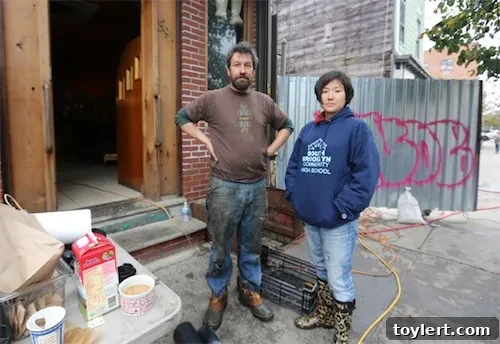
The Good Fork’s Resilience: Rebuilding Red Hook’s Culinary Heart After the Storm
In the vibrant, diverse tapestry of Brooklyn’s culinary landscape, few neighborhoods possess the unique charm and community spirit quite like Red Hook. Nestled along the waterfront, this historic area is home to an array of beloved local establishments, each contributing to its distinctive character. Among these, The Good Fork stood out as a cherished gem, renowned for its innovative Korean-inspired American cuisine and inviting atmosphere. However, like countless other businesses along the East Coast, The Good Fork faced an unprecedented challenge when a devastating hurricane swept through, leaving a trail of destruction in its wake. This article delves into the profound impact of the storm on The Good Fork and highlights the formidable journey of recovery and resilience undertaken by its owners and the supportive Red Hook community.
The aftermath of the hurricane brought scenes of widespread devastation, particularly to low-lying areas like Red Hook. For restaurants, which rely heavily on specialized equipment, fresh ingredients, and an intact physical space, the storm’s fury was particularly crippling. Nona Brooklyn, a blog dedicated to chronicling the recovery stories of restaurants, kitchens, and farms ravaged by the hurricane, recently shone a spotlight on The Good Fork. The insights shared by Sohui Kim, one of the co-owners, paint a vivid and heartbreaking picture of the challenges they confronted immediately after the floodwaters receded.
The Devastating Deluge: A Restaurant Submerged
Downstairs in the basement, obviously, it was just a swimming pool. It was full of water all the way to the ceiling. We have a lot of equipment down there. All of the compressors for all the machines we use, the ice machine, a chest freezer, a refrigerator — all of those things are expensive pieces of equipment that are essential to running a restaurant and they were all destroyed. We had our prep kitchen and a lot of dry storage down there was well. That’s all just gone.
So yeah, we lost a lot. All the food, some wine, a lot of equipment, and the damage to the space. We’re going to have to tear out the floors, the walls and rebuild them from scratch. All new furniture. It’s a do-over. We’re starting over.
Sohui Kim’s words encapsulate the sheer scale of the disaster. For a restaurant, the basement is often the operational heart – housing crucial refrigeration units, storage for dry goods, and dedicated prep areas. The imagery of it becoming “just a swimming pool, full of water all the way to the ceiling,” is chilling and underscores the complete ruin inflicted upon their essential infrastructure. The loss of equipment such as compressors, ice machines, chest freezers, and refrigerators represents not just a financial blow, but a fundamental disruption to their ability to function. These are the lifeblood of any culinary establishment, ensuring food safety, efficient operations, and the preservation of ingredients.
The destruction extended beyond just the machinery. The prep kitchen, where countless dishes were meticulously prepared, was wiped out. Dry storage, essential for staples like grains, spices, and non-perishables, was rendered useless. This meant a complete loss of inventory, from fresh produce and meats to their carefully curated wine selection. The immediate aftermath was a stark realization that every facet of their operation, from the foundational equipment to the very food they served, had been compromised or destroyed. It wasn’t merely a matter of cleaning up; it was a total wipeout.
Beyond Equipment: Structural Damage and the Road Ahead
The impact of the flood wasn’t confined to the basement’s contents. As Sohui Kim pointed out, the structural integrity of the building itself was severely compromised. “We’re going to have to tear out the floors, the walls and rebuild them from scratch. All new furniture. It’s a do-over. We’re starting over.” This statement highlights the monumental task ahead. Water damage seeps into every crevice, necessitating the complete removal of soaked flooring and walls to prevent mold growth and ensure structural safety. Rebuilding “from scratch” signifies a comprehensive renovation, transforming a beloved dining space into a construction site.
The financial implications of such extensive damage are staggering for any small business. The cost of replacing high-grade commercial kitchen equipment alone can run into hundreds of thousands of dollars. Add to that the expenses of demolition, reconstruction, plumbing, electrical work, and new furniture, and the total sum becomes daunting. Moreover, during the entire rebuilding period, The Good Fork would be unable to generate any revenue, further compounding the financial strain. This period is often a test of endurance, requiring immense dedication, financial fortitude, and unwavering optimism.
The Heart of Red Hook: What The Good Fork Means to the Community
Before the hurricane, The Good Fork was more than just a place to eat; it was a cornerstone of the Red Hook community. Known for its warm ambiance and innovative menu, it offered a unique dining experience that blended traditional Korean flavors with modern American culinary techniques. Its commitment to fresh, high-quality ingredients and a rotating menu ensured a loyal following of locals and attracted food enthusiasts from across New York City. The restaurant served as a gathering place, a venue for celebrations, and a symbol of Red Hook’s thriving independent spirit.
The personal touch from owners Sohui Kim and Ben Gorman fostered a sense of belonging among their patrons, making the news of its devastation particularly hard for many. The prospect of losing such a vital establishment was a blow to the neighborhood’s identity, emphasizing not just the economic impact but the cultural and social void it might leave behind. The restaurant’s journey back from this devastation would become a symbol of the broader community’s resilience.
The Arduous Journey of Rebuilding and Renewal
The phrase “starting over” encapsulates the profound challenge and the immense determination required to resurrect a business after such a catastrophic event. The rebuilding process for The Good Fork would involve a myriad of steps, each complex and time-consuming:
- Assessment and Planning: Thorough damage assessment, working with insurance adjusters, and creating a detailed reconstruction plan.
- Demolition and Remediation: Safely tearing out damaged structures and ensuring proper mold remediation to create a clean slate.
- Infrastructure Reconstruction: Rebuilding walls, floors, plumbing, electrical systems, and HVAC to meet modern standards and codes.
- Equipment Sourcing: Researching, purchasing, and installing new, state-of-the-art kitchen equipment. This often involves navigating supply chain challenges and significant capital investment.
- Design and Furnishing: Reimagining the dining space, selecting new furniture, decor, and fixtures to recreate or enhance the restaurant’s unique atmosphere.
- Health and Safety Compliance: Undergoing rigorous inspections by health departments and local authorities to ensure the reconstructed space meets all safety and hygiene standards for reopening.
- Team Reassembly: Re-hiring and training staff, many of whom may have been displaced during the closure.
- Menu Relaunch: Potentially refining or reintroducing beloved menu items, taking into account new kitchen capabilities and ingredient availability.
Each of these stages demands meticulous attention to detail, significant financial resources, and an unyielding spirit. It’s a testament to the dedication of restaurant owners like Sohui Kim and Ben Gorman that they choose to embark on such an arduous path.
Community Spirit and the Power of Collective Support
One of the most heartening aspects of recovery efforts following natural disasters is the emergence of strong community support. For businesses like The Good Fork, the outpouring of assistance from neighbors, fellow restaurateurs, and even strangers can be a crucial lifeline. This support manifests in various forms:
- Volunteer Efforts: Community members often volunteer their time to help with cleanup, demolition, and other physical tasks.
- Fundraising Campaigns: Online crowdfunding platforms and local fundraising events can provide much-needed financial relief for rebuilding costs and to support displaced staff.
- Patronage and Advocacy: Once the restaurant reopens, loyal customers eagerly return, and local media often champions their story, encouraging wider support.
- Local Business Networks: Other businesses in Red Hook and wider Brooklyn might offer resources, advice, or temporary spaces.
This collective resilience underscores the vital role small businesses play in the fabric of a community. Their struggles become shared burdens, and their eventual triumph becomes a shared celebration, symbolizing the neighborhood’s ability to overcome adversity. The story of The Good Fork is not just about a restaurant; it’s about the enduring spirit of Red Hook.
Lessons for the Future: Building Resilience in a Changing Climate
The experience of The Good Fork and countless other businesses serves as a poignant reminder of the vulnerabilities faced by coastal communities in an era of increasing extreme weather events. It highlights the critical importance of preparedness:
- Comprehensive Flood Insurance: Beyond standard business insurance, specific flood insurance is often essential for businesses in high-risk zones.
- Disaster Preparedness Plans: Having a detailed plan for evacuation, protecting vital assets, and communication strategies is crucial.
- Community Networks: Strong local business associations and community groups can facilitate faster, more coordinated recovery efforts.
- Adaptation Strategies: Exploring long-term solutions like elevating critical equipment, using flood-resistant materials, or even relocating to less vulnerable areas for future resilience.
Looking Ahead: The Promise of a Resurgent Good Fork
Despite the immense challenges and the sheer scale of the “do-over,” the spirit of The Good Fork’s owners, Sohui Kim and Ben Gorman, remains unbroken. Their determination to rebuild from scratch is a powerful testament to their passion for food, their dedication to their craft, and their commitment to the Red Hook community that has embraced them. As they navigate the complex path of reconstruction, the anticipation for their reopening will undoubtedly grow. When The Good Fork eventually reopens its doors, it will not just be another restaurant; it will be a beacon of resilience, a symbol of hope, and a vibrant reminder that even after the deepest floods, the heart of a community can rebuild, stronger and more flavorful than ever.
The journey of The Good Fork is a compelling narrative of adversity met with unwavering resolve, a story that resonates far beyond the culinary world, inspiring all who believe in the power of perseverance and the strength of community.