Unveiling the Green Divide: How Street Trees Signal Wealth in NYC and Beyond
In the bustling metropolis of New York City, a striking visual correlation often goes unnoticed yet speaks volumes about the socio-economic fabric of its diverse neighborhoods. A recent study, published in the esteemed online journal PLOS One and extensively covered in an article by the Wall Street Journal, reveals a compelling link: the more trees that line a street, the wealthier the neighborhood tends to be. This observation isn’t merely anecdotal; it’s a statistically significant finding that highlights deep-seated disparities in urban development and community resources.
The presence of lush, mature trees transforms urban landscapes, offering more than just aesthetic appeal. They are silent indicators of underlying investments in community infrastructure, reflecting historical patterns of development, resident advocacy, and access to city services. This “green divide” is particularly evident across New York City’s boroughs, with some areas boasting verdant canopies while others remain starkly barren.
The Study’s Revelations: Trees as Economic Barometers
The research delved into extensive datasets, mapping tree coverage across New York City and correlating it with various socio-economic indicators, including median household income, property values, and educational attainment. What emerged was a clear and consistent pattern: neighborhoods with higher average incomes consistently displayed a greater density of street trees. This isn’t to say that trees inherently create wealth, but rather that their presence is a strong proxy for it, reflecting a complex interplay of factors.
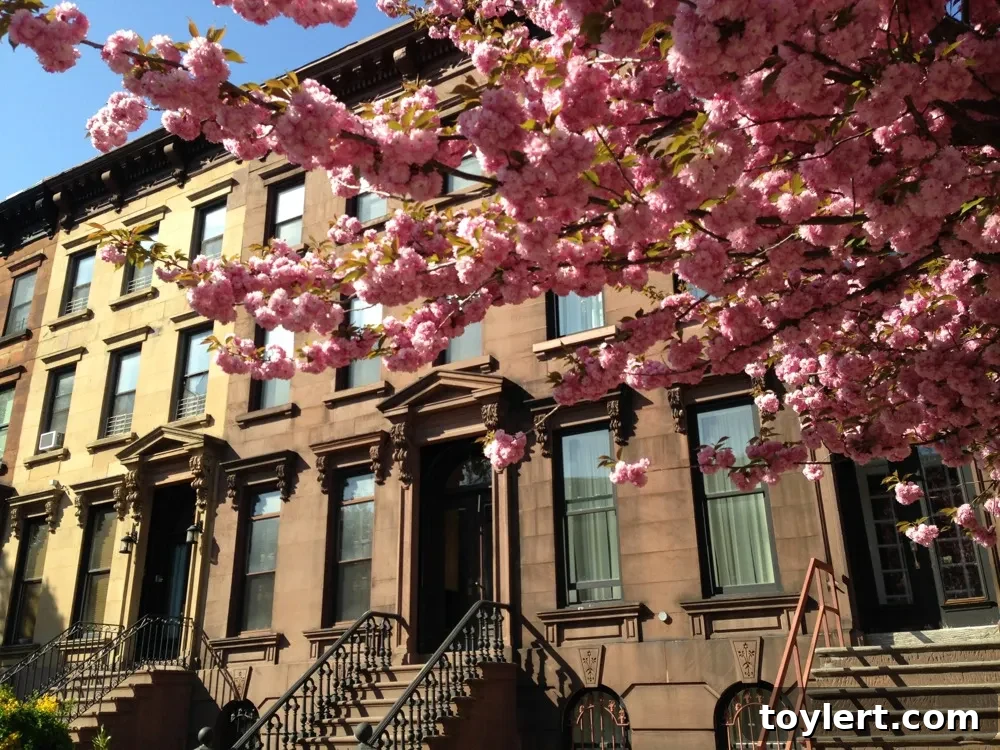
For instance, the study specifically highlighted areas like Cobble Hill and Park Slope in Brooklyn, renowned for their tree-lined streets and vibrant green spaces. These neighborhoods are also characterized by higher property values and a more affluent resident base. Conversely, districts such as Gowanus and East New York were found to have significantly fewer street trees. These areas, historically underserved and with lower median incomes, illustrate the stark reality of the green disparity. The implications of these findings extend far beyond mere aesthetics, touching upon environmental justice, public health, and long-term urban sustainability.
Behind the Canopy: Socio-Economic Factors Driving the Disparity
The question naturally arises: why do wealthier neighborhoods have more trees? According to a U.S. Forest Service scientist quoted in the aforementioned article, the primary driver often lies in community engagement and awareness. Requests for the city to plant trees, or to maintain existing ones, “mainly came from higher-income residents, who tend to be more aware of such opportunities” and possess the resources and time to advocate effectively. This suggests that the distribution of urban greening is not solely a top-down initiative but is heavily influenced by bottom-up demand and advocacy.
Awareness, Advocacy, and Access to Information
Residents in more affluent areas often have better access to information regarding municipal services, grants, and tree planting programs. They may also be part of more organized community groups, homeowners’ associations, or block associations that actively lobby city agencies for neighborhood improvements, including tree planting. These groups can pool resources, coordinate efforts, and sustain long-term advocacy campaigns, ensuring their streets remain green and well-maintained. This level of civic engagement, while beneficial for those neighborhoods, inadvertently creates a feedback loop where well-resourced communities continue to attract more green infrastructure, further widening the gap.
Historical Context and Urban Planning Legacies
Beyond current advocacy, historical urban planning decisions have also played a significant role. Many older, established neighborhoods that are now affluent were designed with wider streets, ample sidewalks, and designated tree pits, reflecting a foresight into urban aesthetics and environmental benefits. In contrast, rapidly developed or industrial areas might have prioritized infrastructure over green spaces, leaving little room for trees. Redlining and discriminatory housing policies of the past have also contributed to these enduring disparities, as historically marginalized communities often received fewer public amenities, including green infrastructure.
The Multifaceted Benefits of Urban Trees
The presence of trees offers a myriad of benefits that extend beyond mere visual appeal, fundamentally improving the quality of urban life. Understanding these advantages underscores why their unequal distribution is such a critical issue.
Enhancing Property Values and Economic Growth
One of the most direct economic benefits of street trees is their impact on property values. Studies consistently show that homes on tree-lined streets command higher prices and sell faster than comparable properties in barren areas. This “tree premium” can range from 7% to 15% or more, contributing directly to the wealth of homeowners in these neighborhoods. Trees also attract businesses and residents, fostering vibrant commercial districts and enhancing the overall economic vitality of an area. This direct financial benefit forms a powerful incentive for residents and developers alike to prioritize green infrastructure, often perpetuating the cycle of wealth accumulation in already affluent areas.
Critical Environmental Advantages
Urban trees are essential for a healthy environment. They act as natural air purifiers, absorbing pollutants like nitrogen dioxide, ozone, and particulate matter, thereby improving air quality and reducing respiratory illnesses. Their extensive canopy provides crucial shade, mitigating the urban heat island effect—a phenomenon where city temperatures are significantly higher than surrounding rural areas due to heat absorption by concrete and asphalt. This cooling effect reduces energy consumption for air conditioning, lowering utility costs for residents. Furthermore, trees play a vital role in stormwater management, intercepting rainfall, reducing runoff, and recharging groundwater, which helps prevent flooding and erosion.
Boosting Public Health and Well-being
The health benefits of urban trees are extensive and well-documented. Exposure to green spaces has been linked to reduced stress levels, improved mental health, and lower incidences of depression and anxiety. Parks and tree-lined streets encourage physical activity, providing pleasant environments for walking, jogging, and outdoor recreation. Children growing up near green spaces have been shown to have better cognitive development and reduced rates of ADHD. Moreover, the calming effect of nature can even contribute to lower crime rates and foster stronger community bonds, as residents are more likely to gather and interact in aesthetically pleasing, comfortable environments.
Bridging the Green Divide: Towards Equitable Urban Greening
Recognizing the profound impact of urban trees and the inequities in their distribution, cities are increasingly looking for ways to foster more equitable greening initiatives. The goal is not just to plant more trees, but to strategically plant them where they are needed most, ensuring that all residents, regardless of income, can reap their numerous benefits.
Targeted City Programs and Policy Interventions
Municipal urban forestry departments are crucial in this effort. Programs that specifically target underserved communities for tree planting, combined with educational outreach to inform residents about the benefits and opportunities, can make a significant difference. Policies that mandate tree planting in new developments, particularly in historically under-greened areas, can help reshape the urban landscape. Additionally, streamlining the process for residents to request tree planting and ensuring robust funding for maintenance are essential for long-term success.
Empowering Community-Led Initiatives
Grassroots efforts and community organizations play an indispensable role in promoting urban greening. By empowering local leaders and providing resources for community-driven projects, cities can foster a sense of ownership and stewardship. Workshops on tree care, community planting events, and accessible grant programs can encourage residents in all neighborhoods to actively participate in greening their blocks. These initiatives not only add trees but also build stronger, more connected communities.
Integrating Green Infrastructure into Broader Urban Planning
A holistic approach to urban planning is necessary, where green infrastructure is integrated into all facets of city development, from housing projects to transportation networks. This includes creating green corridors, expanding urban parks, and developing innovative solutions like green roofs and vertical gardens. By embedding greening into the core of urban design, cities can ensure that future growth is sustainable, equitable, and resilient to environmental challenges like climate change.
Conclusion: Trees as Pillars of a Sustainable, Equitable City
The correlation between street trees and neighborhood wealth in New York City serves as a powerful reminder that urban environments are not uniform. The “green divide” reflects deeper socio-economic disparities, where access to natural amenities is often a privilege rather than a universal right. However, this insight also provides a clear roadmap for action. By prioritizing equitable tree planting initiatives, empowering communities, and integrating green infrastructure into comprehensive urban planning, cities can work towards a future where every street, in every neighborhood, is lined with the life-enhancing benefits of trees.
Ultimately, investing in urban trees is an investment in public health, environmental resilience, and social equity. It’s about building cities that are not only beautiful and prosperous but also just, healthy, and sustainable for all who call them home. As New York City and other urban centers continue to grow, ensuring a fair distribution of these invaluable natural assets will be key to fostering truly thriving communities.