The Architectural Gems of Crown Heights: Unveiling the Unique Keystones of Lincoln Place
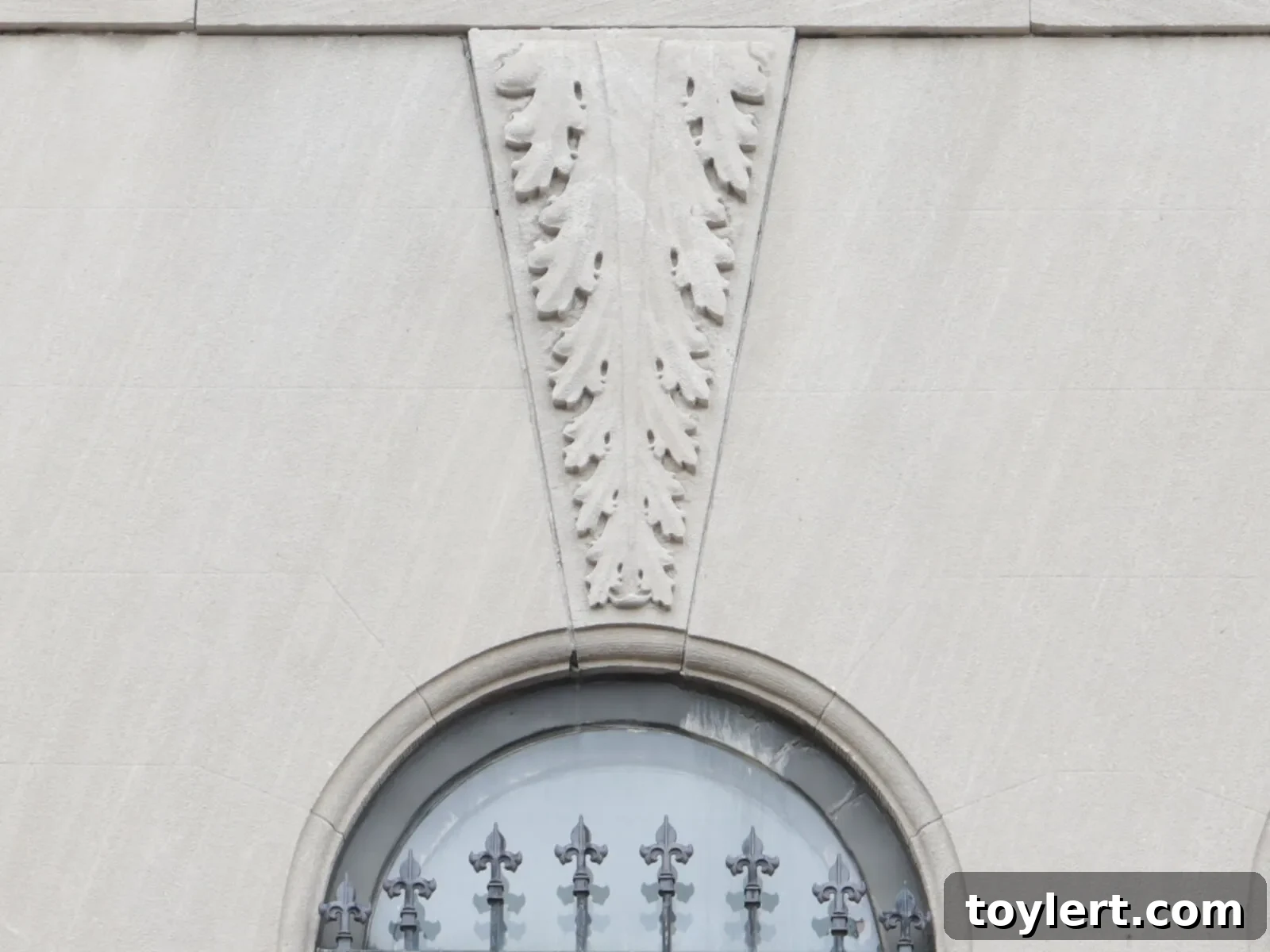
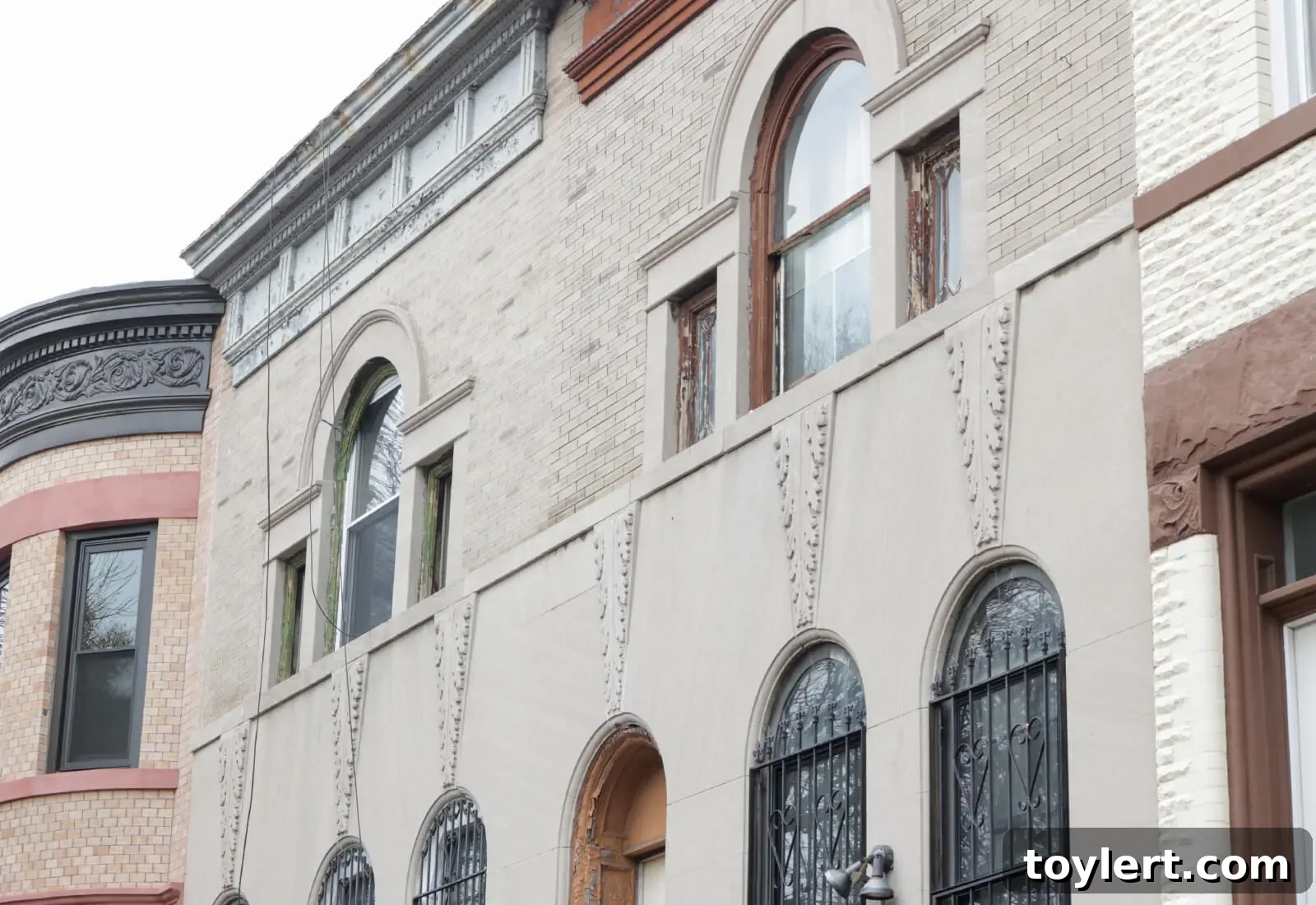
Crown Heights, Brooklyn, is a neighborhood renowned for its picturesque streetscapes, where block after block reveals a harmonious blend of historic rowhouses, each telling a story of a bygone era. Amidst these rhythmic rows, particularly on the tree-lined expanse of Lincoln Place, observant passersby are often rewarded with subtle architectural nuances that speak volumes about the craftsmanship and vision of their creators. While many structures exude a dignified charm, the adjacent properties at 797 and 799 Lincoln Place stand out with a truly unusual and captivating detail: their keystones, which adorn the arched windows, feature acanthus leaves so robust and dramatically rendered that they can only be described as being “on steroids.”
A Glimpse into Crown Heights’ Rich Architectural Tapestry
The journey along Lincoln Place offers more than just a stroll; it’s a step back in time, revealing the architectural ambitions of late 19th-century Brooklyn. Crown Heights, a testament to the borough’s Gilded Age prosperity, was a magnet for the burgeoning middle and upper-middle classes seeking elegant homes. The area blossomed with rowhouses built in a variety of styles, from Romanesque Revival and Queen Anne to Neoclassical and Beaux-Arts, often blending elements to create unique interpretations. These residences, frequently constructed with high-quality materials like brownstone, limestone, and intricate brickwork, collectively form an urban landscape of remarkable integrity and beauty. The careful planning and execution of these blocks resulted in streets that are not merely functional thoroughfares but visual corridors of historical significance.
What makes 797 and 799 Lincoln Place particularly intriguing is how they manage to distinguish themselves within this already rich context. While their overall form aligns with the dignified residential architecture of the period, the specific choices in ornamentation elevate them from merely attractive to truly remarkable. These houses serve as miniature museums of architectural expression, inviting closer inspection and appreciation for the smaller, yet impactful, design decisions that define their character.
The Distinctive Design of 797 and 799 Lincoln Place
Frederick L. Hine: Architect and Builder Extraordinaire
These two-story architectural marvels, designed circa 1899, are the brainchild of Frederick L. Hine, a prominent architect and builder whose influence is etched across many of Brooklyn’s historic neighborhoods. Hine was a prolific figure during a transformative period for New York City, contributing significantly to the urban fabric with his well-crafted residential and commercial projects. As both an architect and a builder, Hine possessed a unique advantage: he could meticulously plan his designs and then directly oversee their construction, ensuring that his vision was executed with precision and quality. This integrated approach often resulted in buildings that exhibited superior structural integrity and aesthetic consistency, hallmarks of his distinguished portfolio.
Hine’s designs often showcased a blend of prevailing architectural trends, incorporating classical elements with Victorian sensibility, creating structures that were both timeless and reflective of their era. His work is recognized for its robust construction, thoughtful detailing, and a certain grandeur that resonated with the aspirations of Brooklyn’s growing population. The houses on Lincoln Place perfectly embody Hine’s commitment to creating residences that were not only functional but also works of art, imbued with a sense of dignity and character.
Materials and Craftsmanship: A Study in Contrasts
The foundation of 797 and 799 Lincoln Place speaks volumes about Hine’s material choices and design philosophy. The houses feature rusticated limestone bases, a technique that involves cutting stone blocks with a rough, textured surface, often with beveled edges. This rustication lends a powerful, grounded, and almost fortress-like appearance to the lower sections of the buildings, conveying strength and permanence. It creates a stark yet appealing contrast with the smoother surfaces above, anchoring the structure firmly to the ground and visually preparing the viewer for the more refined details higher up.
Above these robust bases, the first floors transition seamlessly into smooth limestone-faced facades. Limestone, a naturally elegant and durable material, was a popular choice for prestigious buildings during the late 19th century due to its refined appearance and ability to be finely carved. The smooth finish highlights the precision of the masonry and offers a sophisticated counterpoint to the ruggedness of the rusticated base. This interplay of textures—rough versus smooth, weighty versus refined—adds considerable depth and visual interest to the facades, demonstrating a sophisticated understanding of architectural composition and material application.
The Art of the Arch: Framing Windows and Doors
A defining feature of these homes, and indeed many elegant structures of the period, is the presence of gracefully arched window and door openings. Arches are not merely decorative; they are ancient architectural elements celebrated for both their structural integrity and their aesthetic appeal. In classical architecture, arches often signify dignity, permanence, and a connection to historical precedents. For 797 and 799 Lincoln Place, these arches soften the otherwise rectilinear lines of the facades, introducing a gentle curvature that enhances the overall elegance and inviting nature of the homes. They frame the windows and doors with a sense of formality, drawing the eye upwards and guiding attention to the intricate details that crown each opening.
The use of arches contributes significantly to the buildings’ stately presence, adding a layer of sophistication that distinguishes them from simpler, more utilitarian designs. Each arch acts as a miniature stage for the keystone—the central, wedge-shaped stone at the apex—which historically was crucial for the arch’s stability. However, beyond structural necessity, the keystone often became a focal point for artistic expression, a canvas for intricate carvings that symbolized the building’s character or the owner’s taste. On Lincoln Place, this tradition is taken to an extraordinary level, making the keystones arguably the most memorable feature of these already impressive homes.
The Exaggerated Acanthus: A Keystone’s Bold Statement
It is within these arched openings that the true individuality of 797 and 799 Lincoln Place shines brightest. The keystones, traditionally understated elements, here burst forth with exaggerated acanthus leaf carvings. The acanthus leaf is a perennial motif in classical architecture, famously adorning the capitals of Corinthian columns and friezes since ancient Greece. It symbolizes immortality, artistic excellence, and enduring life. Typically, acanthus carvings are elegant, flowing, and meticulously rendered, offering a touch of natural beauty to structured forms.
However, Hine’s interpretation on Lincoln Place transcends the conventional. These acanthus leaves are not merely decorative; they are robust, almost sculptural, protruding emphatically from the facade. They possess a dynamism and scale that immediately captures attention, making them feel not just “on steroids” but imbued with a playful yet powerful grandeur. This exaggeration suggests a designer unafraid to infuse traditional motifs with a bold, almost whimsical energy, pushing the boundaries of classical ornamentation. It speaks to a late Victorian or early Beaux-Arts sensibility, where intricate detailing was highly valued, and architects often sought to make their mark through distinctive embellishments. These keystones serve as a testament to Hine’s unique artistic flair and his desire to leave an indelible impression on the streetscape.
Preserving History: The Crown Heights North II Historic District
The significance of 797 and 799 Lincoln Place extends beyond their individual architectural merit; they are integral components of the Crown Heights North II Historic District. This designation by the New York City Landmarks Preservation Commission is a testament to the area’s exceptional historical, architectural, and cultural importance. Historic districts are established to protect and preserve areas that possess a distinct sense of time and place, preventing inappropriate alterations and ensuring that the character and legacy of the neighborhood are maintained for future generations.
The Crown Heights North II Historic District encompasses a remarkable collection of residential architecture primarily dating from the late 19th and early 20th centuries. It showcases the architectural styles and urban planning principles prevalent during Brooklyn’s most significant period of growth. For properties like those on Lincoln Place, being within such a district means that their exterior features, including those unique keystones, are protected. Any modifications must adhere to strict guidelines, preserving the authenticity and visual harmony that make these streets so special. This preservation effort not only safeguards individual buildings but also maintains the cohesive architectural narrative of the entire neighborhood, allowing residents and visitors alike to appreciate the profound historical layers embedded in its built environment.
The Enduring Charm of Brooklyn’s Historic Architecture
The houses at 797 and 799 Lincoln Place are more than just structures; they are living testaments to Brooklyn’s rich past, architectural innovation, and the enduring appeal of thoughtful design. They invite us to slow down, look up, and appreciate the artistry embedded in our urban landscapes. From the solid rusticated bases to the smooth limestone facades and the distinctive, almost theatrical acanthus keystones, every element contributes to a narrative of craftsmanship and aesthetic ambition.
These homes, meticulously designed by Frederick L. Hine and preserved within the Crown Heights North II Historic District, continue to enrich the visual and historical fabric of Brooklyn. They remind us that even in a city known for its relentless pace and constant evolution, there are timeless treasures that stand as proud symbols of creativity, heritage, and the enduring beauty of human ingenuity. Their unique details offer a glimpse into the minds of the architects and builders who shaped our cities, ensuring that the legacy of exceptional design continues to inspire and captivate.