Uncovering the Secrets: The Fascinating History Behind Brooklyn’s Iconic Brownstone Street Names
Brooklyn, a borough synonymous with vibrant culture, stunning architecture, and a rich historical tapestry, holds countless stories within its tree-lined streets. From the charming stoops of Park Slope to the tranquil blocks of Carroll Gardens, and the bustling avenues of Boerum Hill, Cobble Hill, and Brooklyn Heights – collectively known as the heart of Brownstone Brooklyn – every corner tells a tale. While many of these revered streets bear titles that might seem innocuous at first glance, a deeper dive reveals a captivating history. Some were named or renamed to honor influential, sometimes lesser-known, politicians of a bygone era, while others were deliberately altered to distance themselves from infamous crimes or unsavory associations. Curiously, a handful even owe their names to historical misspellings that have become permanently etched into the urban landscape.
These neighborhoods are beloved and widely recognized, but the rich meanings and unexpected origins behind their street names remain a mystery to many. This comprehensive exploration delves into the intriguing narratives woven into the very fabric of Brownstone Brooklyn, bringing to light some of the most captivating stories hidden in plain sight.
The Allure of Brownstone Brooklyn: A Historical Landscape
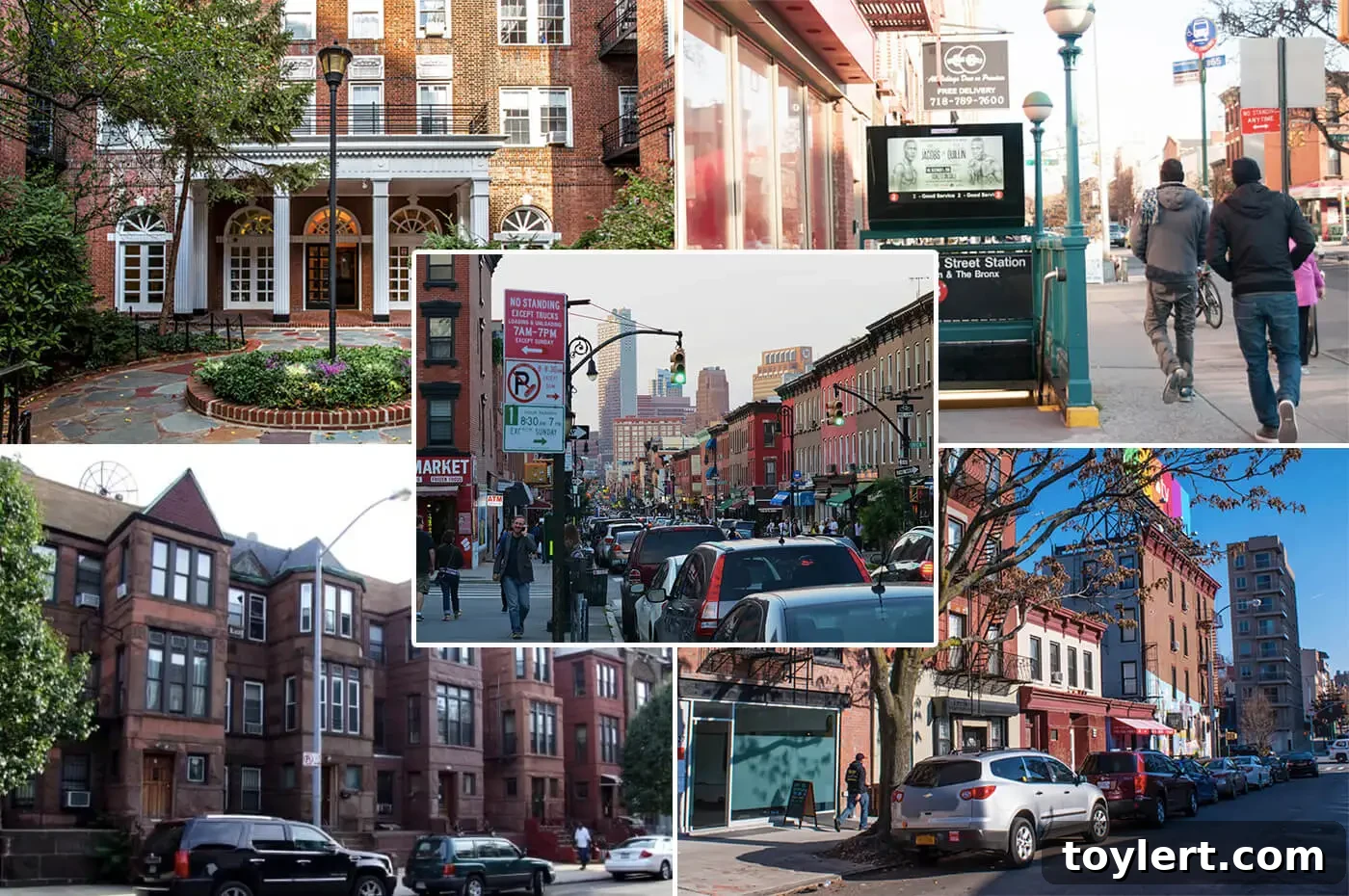
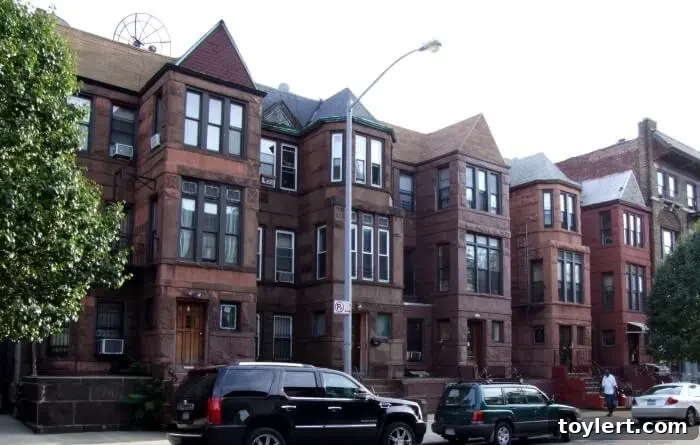
The allure of Brownstone Brooklyn is undeniable. Its distinctive architecture, characterized by rows of elegant brownstone and brick row houses, dates back to the 19th century, reflecting periods of significant growth and prosperity. These neighborhoods were meticulously planned, often transforming rural farmlands into sophisticated urban residential areas. The streets, therefore, weren’t randomly designated but were integral to this development, often reflecting the aspirations, values, and political currents of the time. Understanding the evolution of these street names offers a unique lens through which to appreciate the borough’s historical trajectory, from its Dutch colonial roots to its emergence as a bustling American city.
More Than Just Signposts: The Diverse Origins of Street Names
The naming conventions for Brooklyn’s streets were far from uniform, resulting in a fascinating mosaic of origins:
Homage to Public Figures and Visionaries
Many streets serve as lasting tributes to individuals who left their mark on the city, state, or nation. These figures range from towering national heroes to local politicians whose influence, though perhaps less known today, was significant in their time. Naming a street after a prominent figure was a way to cement their legacy, celebrate their contributions, and inspire future generations. These could be mayors, governors, military leaders, or even abolitionists and reformers who shaped the social fabric of New York.
Echoes of Old Families and Landowners
Before Brooklyn became the urban marvel it is today, much of its land was divided into vast estates and farms. As these lands were developed into residential plots, it became common practice to name new streets after the families who once owned the property. This tradition connects the present-day urban landscape directly to its agrarian past, offering a tangible link to the founding families and early settlers whose names might otherwise be forgotten.
Commemorating History: Events and Eras
Sometimes, street names commemorate significant historical events, battles, or even broader periods of American history. These names serve as daily reminders of pivotal moments, integrating the larger historical narrative into the very routes we navigate. Such designations can turn a simple street into a living monument, prompting reflection on the past.
Avoiding the Shadows: Renaming for Reputation
The past isn’t always celebrated. In some instances, street names were deliberately changed to shed negative associations. This might occur after a notorious crime, a scandal involving a person or event, or simply to modernize a name that had fallen out of favor. These renamings highlight society’s evolving values and its desire to curate a more positive public image for its spaces.
Linguistic Quirks and Enduring Misspellings
Perhaps most charmingly, some street names carry the legacy of administrative errors or phonetic interpretations that became permanent. A clerical mistake, a misheard pronunciation, or an early mapmaker’s oversight could lead to a misspelled name that, over time, became the official designation. These instances offer a glimpse into the less formal, more human side of urban planning, where imperfections can become part of a street’s unique identity.
Spotlight on Iconic Streets: Stories Etched in Asphalt
Let’s delve into the fascinating stories behind some of Brooklyn’s most well-known street names, particularly those hinted at in the original content’s metadata, alongside the example of Lincoln Place:
Lincoln Place
Lincoln Place, stretching through vibrant neighborhoods like Prospect Heights and Crown Heights, stands as a direct homage to one of America’s most revered leaders: Abraham Lincoln. Named shortly after his assassination in 1865, the street reflects a national outpouring of grief and respect for the 16th U.S. President. In the mid-19th century, Brooklyn, like many other cities, was undergoing rapid expansion, and developers often chose names that resonated with national sentiment or local heroes. Honoring Lincoln was a clear choice, signifying a deep admiration for his leadership during the Civil War and his efforts to preserve the Union. The street’s existence is a continuous testament to his enduring legacy and the profound impact he had on the American psyche, particularly in a city like Brooklyn which had strong abolitionist sentiments and connections to the Union cause.
Carroll Street
Running through the heart of Carroll Gardens, Carroll Street holds significant historical weight, deeply tied to one of Maryland’s most prominent families. The street, and indeed the neighborhood, derives its name from the Carroll family, specifically Charles Carroll of Carrollton, a wealthy planter and lawyer who was the only Roman Catholic signer of the Declaration of Independence. While Charles Carroll himself did not reside in Brooklyn, his family’s vast influence and landholdings were recognized, and it was common practice to name streets after distinguished American figures. In Brooklyn’s context, the land through which Carroll Street now runs was part of a larger tract developed in the mid-19th century, and the name “Carroll” was chosen to evoke a sense of historical gravitas and connection to the nation’s founding principles. The street is a central artery of a neighborhood known for its historic brownstones and unique front gardens, adding to its charm and historical character.
Hoyt Street
Connecting downtown Brooklyn with Boerum Hill and Carroll Gardens, Hoyt Street is named after the prominent Hoyt family, who were significant landowners and influential figures in Brooklyn during the 18th and 19th centuries. The family, including figures like Jesse Hoyt, a lawyer and politician, played an integral role in the borough’s development. As Brooklyn transitioned from an agricultural outpost to a burgeoning city, many major thoroughfares were named after the families whose land they traversed. The Hoyts’ extensive property holdings meant that their name would become a lasting fixture on the city map. Today, Hoyt Street is known for its blend of commercial activity and residential charm, lined with historic buildings and offering a glimpse into the borough’s evolving urban landscape, while still carrying the echo of its early benefactors.
Smith Street
A bustling commercial corridor that cuts through Boerum Hill, Carroll Gardens, and further south, Smith Street is named in honor of Samuel Smith, a delegate from New York to the Continental Congress. Smith was an important, though perhaps lesser-known, figure in the early days of American independence. Naming a street after him was a way for early Brooklyn leaders to recognize New York’s contributions to the nascent nation and to honor those who served the public good during its formative years. The street’s historical significance is complemented by its modern vibrancy, making it a popular destination for shopping, dining, and experiencing contemporary Brooklyn life, all while carrying the legacy of an American patriot who helped lay the groundwork for the nation’s governance.
Bergen Street
Traversing a broad swath of Brooklyn, from Cobble Hill to Crown Heights and beyond, Bergen Street pays tribute to one of Brooklyn’s oldest and most influential Dutch families. The Bergen family were among the earliest European settlers in what was then New Netherland, arriving in the 17th century. Their descendants became prolific landowners and significant figures in the agrarian development of Long Island. As the city grew and streets were laid out across former farmlands, the Bergen name became attached to a major east-west artery, recognizing their foundational role in the borough’s history. The street serves as a powerful reminder of Brooklyn’s Dutch colonial roots, a heritage that shaped much of its early culture, architecture, and place names. Walking along Bergen Street is, in a way, walking through centuries of Brooklyn history, from its colonial past to its vibrant present.
The Evolving Landscape of Brooklyn’s Identity
The stories behind Brooklyn’s street names are not merely historical footnotes; they are active elements that continue to shape the borough’s identity. They offer a tangible connection to the past, reminding residents and visitors alike of the layered histories embedded in the urban environment. From the deliberate choices to honor national figures or local benefactors to the accidental charm of a misspelling, each name contributes to the rich narrative of Brownstone Brooklyn. These street names encourage us to look beyond the surface, to appreciate the thought, the history, and sometimes the serendipity, that has shaped the beloved neighborhoods we know today.
As Brooklyn continues to evolve, the names of its streets stand as enduring monuments to its heritage. They invite us to explore, to question, and to connect with the generations who walked these same paths before us, ensuring that the captivating stories of this iconic borough continue to be told for centuries to come.