Discovering Architectural Heritage: The Lewis Bowman Masterpiece at 330 Pondfield Road, Bronxville
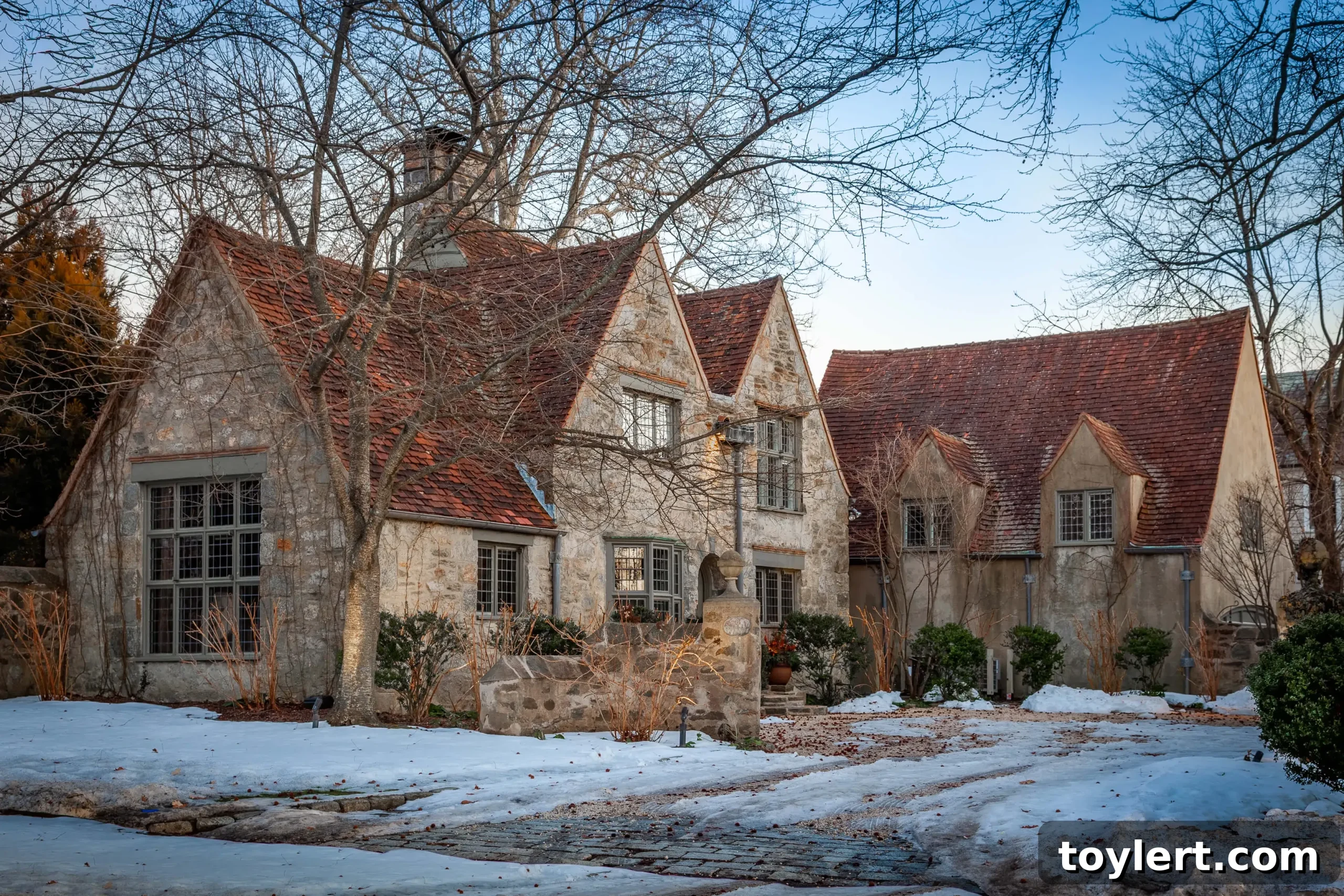
Nestled within the distinguished landscape of Bronxville, New York, stands a captivating residence at 330 Pondfield Road, a testament to the architectural ingenuity of Lewis Bowman. This stucco and stone home, originally conceived in the early 1920s, holds a particularly rich and intriguing history. It was initially designed not as a family dwelling, but as the headquarters for Bowman’s thriving architectural practice. A significant transformation in 1934 saw the building skillfully converted into a private family home, a change necessitated by local zoning regulations. This adaptive reuse resulted in a layout that is both intricate and profoundly fascinating, bearing the distinct imprints of its dual identity. Remarkably, some original elements from its life as a studio are still discernible, and visitors might even discover charming hand-painted features, believed to be the work of a Bowman family member, adding a deeply personal layer to its storied past. Now gracing the market, this unique property offers more than just a home; it presents a rare opportunity to own a tangible piece of architectural history, meticulously crafted by one of the 20th century’s most prolific residential architects.
Lewis Bowman: A Visionary Architect of the Westchester Suburbs
Lewis Bowman’s journey in architecture began with a solid foundation, culminating in a Masters in Architecture from Cornell University in 1914. Upon graduating, he established his initial practice in Mount Vernon, laying the groundwork for what would become an illustrious career. The 1920s proved to be a pivotal decade for Bowman, aligning perfectly with the burgeoning growth of the Westchester suburbs. This era witnessed a significant demand for stately, custom-built homes, particularly from affluent New Yorkers seeking elegant residences within an easy commuting distance from the bustling city. Bowman’s distinctive style and commitment to quality quickly resonated with this discerning clientele, leading to a boom in his commissions.
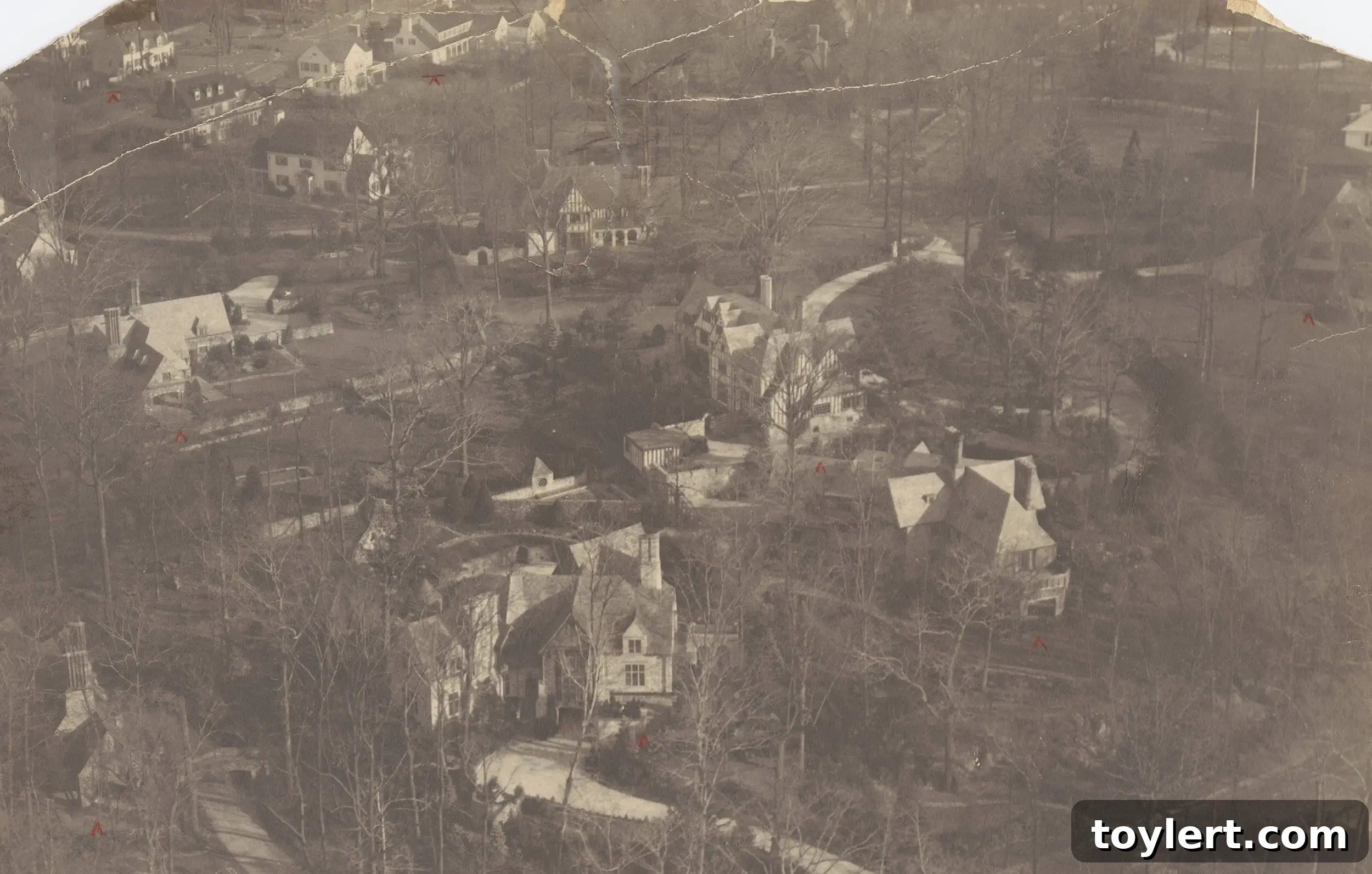
While his architectural footprint can be found in various prestigious locations across Westchester, including notable projects in Pelham Manor and Scarsdale, it is Bronxville with which Lewis Bowman’s name is most intimately associated. This charming village served as the strategic hub for his architectural practice, allowing him to be at the forefront of designing many of the magnificent homes that define Bronxville’s unique character. Bowman became synonymous with the Tudor Revival style, a favored aesthetic of the time that evoked a sense of English romance and timeless craftsmanship. His designs often featured a harmonious blend of materials like stucco, stone, and half-timbering, combined with steeply pitched roofs, multi-paned windows, and intricate brickwork, creating homes that were not only grand but also exuded warmth and individuality. His contributions helped shape the architectural identity of these desirable suburban enclaves, leaving an indelible mark on the region’s residential landscape.
The Unique Narrative of 330 Pondfield Road: From Studio to Sanctuary
The history of 330 Pondfield Road is a compelling narrative of adaptation and transformation. Built in the early 1920s, the structure was originally purpose-built to accommodate Lewis Bowman’s dynamic architectural studio. This initial function undoubtedly influenced its original design, likely featuring expansive, light-filled spaces ideal for drafting, client consultations, and presenting models. However, by 1934, a critical shift occurred. Local zoning regulations prompted Bowman to convert his professional space into a private family dwelling. This transition, while challenging, allowed for a fascinating evolution of the building’s layout.
The conversion from a functional studio to a comfortable family home was a complex architectural feat, involving a thoughtful re-imagining of the interior spaces. What might have been large, open studio areas were skillfully compartmentalized into distinct living zones, bedrooms, and private quarters, all while retaining the charm and integrity of the original design. This process created a layout that is not merely functional but inherently interesting, revealing the ingenious ways Bowman integrated new domestic requirements into an existing professional framework. Even today, echoes of its past life as a studio can be observed, perhaps in generously proportioned rooms, soaring ceilings, or strategically placed windows designed to maximize natural light – features that would have been invaluable in an architect’s workspace. Adding to the home’s unique allure are certain hand-painted features, lovingly created by a member of the Bowman family. These personal touches offer a rare glimpse into the intimate life of the architect and his household, infusing the residence with a profound sense of history and familial warmth. Such details transform the property from merely a structure into a living archive of a distinguished family’s story and a renowned architect’s legacy.
Architectural Grandeur and Timeless Design: The Tudor Revival Aesthetic
Lewis Bowman was a master of the Tudor Revival style, and 330 Pondfield Road exemplifies his deep understanding and artistic application of this enduring architectural trend. The home’s exterior, a harmonious blend of stucco and stone, is a signature characteristic of the style, lending it a rustic yet refined elegance. The use of natural materials, often paired with steeply pitched roofs, decorative half-timbering, and imposing chimneys, creates a picturesque facade that harks back to the romantic English country estates of centuries past. These elements contribute to the home’s distinctive curb appeal, making it a standout example of early 20th-century suburban grandeur.
Beyond its striking exterior, the interior of a Lewis Bowman Tudor Revival home is typically characterized by an exquisite attention to detail and a commitment to craftsmanship. While specific interior features of 330 Pondfield Road are best observed in person, one can anticipate elements commonly found in Bowman’s designs: perhaps a grand stone fireplace serving as a focal point in a spacious living room, rich wood paneling adorning walls, intricately carved staircases, and multi-paned or leaded glass windows that filter light beautifully while enhancing the period ambiance. These homes were designed not just for living, but for experiencing, with thoughtful layouts that often include inviting nooks, cozy reading areas, and formal dining spaces perfect for entertaining. The conversion of 330 Pondfield Road from a studio to a residence means that it may also possess unique, larger spaces or unconventional room transitions that speak to its original purpose, adding an extra layer of intrigue to its already impressive architectural fabric. Owning a Bowman home is not just about acquiring property; it’s about investing in a piece of art that blends historical reverence with enduring quality and an unmistakable sense of place.
Bronxville’s Enduring Allure and Bowman’s Broader Legacy
Bronxville, with its tree-lined streets, charming village center, and convenient proximity to New York City, emerged in the early 20th century as a highly coveted residential destination. This picturesque setting, combined with excellent commuter rail access, made it the ideal canvas for architects like Lewis Bowman. Wealthy urbanites, seeking respite from city life without sacrificing convenience, desired custom-built, substantial homes that reflected their success and refined tastes. Bowman’s ability to deliver homes that were both architecturally magnificent and perfectly suited to the suburban lifestyle ensured his dominance in the region. His headquarters in Bronxville allowed him to be deeply integrated into the community he helped shape, fostering close relationships with clients and understanding the specific nuances of the area’s development.
Bowman’s influence extended far beyond individual properties; he played a crucial role in defining the architectural character of Bronxville and other affluent Westchester communities. His homes, often variations of the Tudor Revival style, collectively created a cohesive aesthetic that imbued these suburbs with a sense of established elegance and timeless charm. His prolific output meant that entire neighborhoods bear his signature, making him a central figure in the architectural history of the region. The stately homes he designed were more than just buildings; they were embodiments of the American Dream in an era of prosperity and expansion, offering comfort, beauty, and a connection to a romanticized past. His work continues to be highly sought after, a testament to his enduring design principles and the superior craftsmanship evident in every detail.
A Historic Home for Modern Living
The current availability of 330 Pondfield Road on the market represents a rare and exciting opportunity for discerning buyers. To acquire a Lewis Bowman home, particularly one with such a unique and personal history as this former studio, is to become a custodian of architectural heritage. These properties are cherished not only for their inherent beauty and structural integrity but also for the stories they tell and the legacy they embody. In an age where mass-produced housing often lacks character, a Bowman home stands as a beacon of individuality, quality, and timeless design. Its location in Bronxville further enhances its appeal, offering access to a vibrant community, excellent schools, and unparalleled convenience. This residence is perfectly poised to offer modern comforts while preserving its rich historical essence, making it an ideal choice for those who appreciate the confluence of past elegance and contemporary living.
Investing in 330 Pondfield Road means owning a distinguished piece of Lewis Bowman’s architectural genius and a significant chapter in Bronxville’s history. It’s an opportunity to live in a home where every corner holds a narrative, where the past seamlessly blends with the present, and where the meticulous craftsmanship of a bygone era continues to inspire.