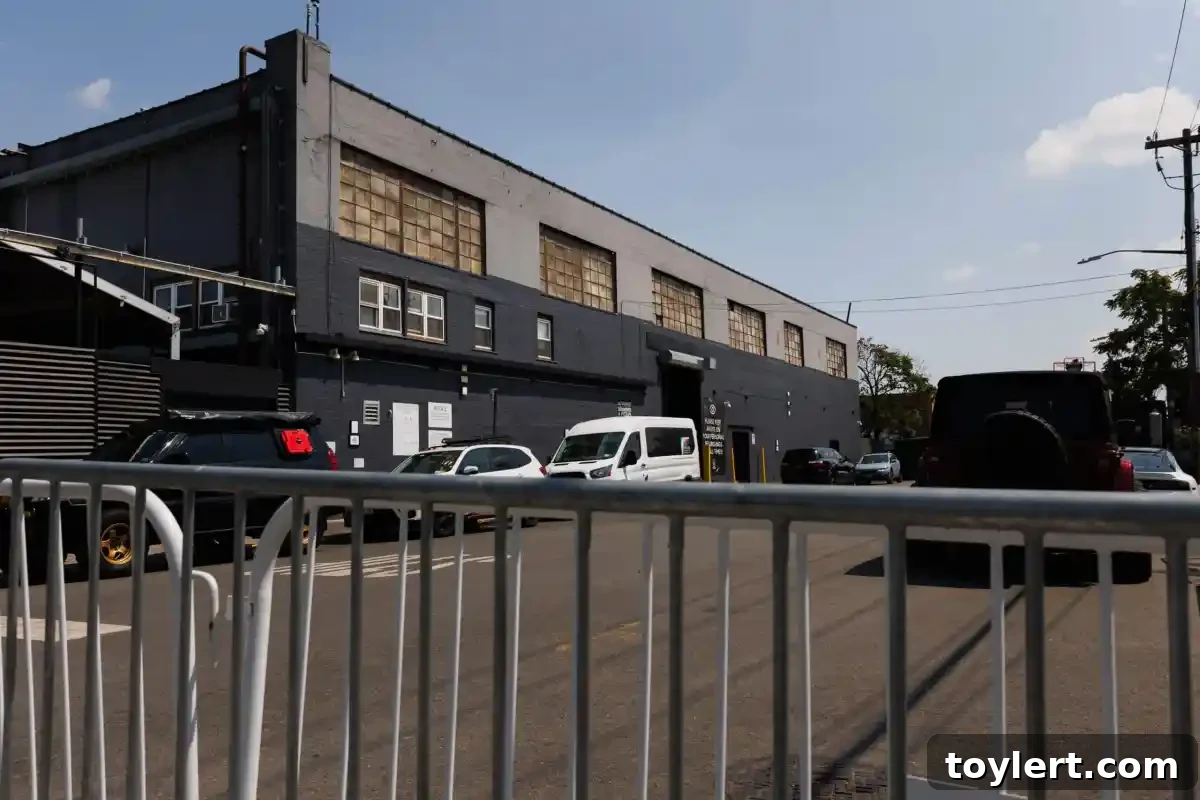
The End of an Era: Brooklyn Mirage Demolition Approved Amidst Ongoing Legal Battle
by Kirstyn Brendlen, Brooklyn Paper
A significant chapter in Brooklyn’s vibrant nightlife scene is set to close as the full demolition of The Brooklyn Mirage has officially been approved. City records confirm that the Department of Buildings (DOB) has greenlit plans to completely dismantle the ill-fated venue, with demolition slated to commence as early as next month. This development unfolds against a backdrop of ongoing legal disputes, with the venue’s future still embroiled in a contentious battle within bankruptcy court.
The decision marks a definitive end for a space that, despite its ambitious renovations last year, never managed to reopen its doors to the public due to persistent safety issues. The narrative of The Brooklyn Mirage is a complex one, weaving together grand artistic vision, regulatory hurdles, and ultimately, a tragic demise that leaves a void in the city’s cultural landscape. This comprehensive overview delves into the specifics of the demolition, the underlying causes of its closure, the ongoing legal ramifications, and what this means for the future of the site and Brooklyn’s entertainment industry.
Demolition Greenlit: The Final Chapter for a Beloved Venue
Official Approval from the Department of Buildings
The Department of Buildings, the primary regulatory body responsible for overseeing construction and safety standards in New York City, has given its final sign-off on the complete demolition of The Brooklyn Mirage. This approval is the culmination of months of inspections, assessments, and filings following the venue’s unexpected and prolonged closure. The DOB’s decision underscores the severity of the structural and safety concerns that prevented the venue from ever welcoming back patrons after its extensive remodeling efforts.
Industry experts suggest that obtaining a full demolition permit is no small feat in a densely populated area like Brooklyn, often requiring meticulous planning, environmental assessments, and stringent safety protocols to protect surrounding properties and the public. The swiftness with which this approval has been granted highlights an urgent need to address the structural integrity and inherent dangers associated with the site, making continued closure and eventual demolition the most viable, albeit regrettable, path forward.
Scheduled Commencement of Demolition
Sources close to the project indicate that demolition work is slated to begin early next month. This timeline suggests that all necessary preliminary steps, including securing the site, deploying heavy machinery, and coordinating with city agencies, are either complete or nearing completion. For many, this marks a somber moment, signifying the irreversible loss of what was once a highly anticipated return for a beloved establishment.
The physical removal of The Brooklyn Mirage will not only transform the Bushwick skyline but also serve as a stark reminder of the challenges and complexities involved in developing and maintaining large-scale entertainment venues in a metropolis with rigorous building codes. The process is expected to be comprehensive, ensuring that the site is fully cleared and prepared for whatever its future may hold.
A Venue Plagued by Issues: Renovation, Safety, and Closure
The Unsuccessful Grand Renovation
Last year, The Brooklyn Mirage embarked on what was intended to be a spectacular renovation, aiming to elevate its status as a premier global destination for electronic music and cultural events. The scope of the project was ambitious, reportedly involving significant structural changes, upgrades to its cutting-edge visual and sound systems, and an expansion of its capacity and amenities. The anticipation among fans and the music industry was palpable, with many looking forward to a grand reopening that promised an unparalleled experience.
However, the dream turned into a nightmare. Following the completion of the extensive work, the venue found itself in a bureaucratic quagmire, unable to secure the necessary permits and certifications from the Department of Buildings to resume operations. This impasse led to an indefinite closure, leaving countless ticket holders and performers in limbo and casting a long shadow over the future of the venue.
Persistent Safety Issues Leading to Permanent Closure
The primary reason cited for the venue’s inability to reopen was a series of critical safety issues identified by city inspectors. While specific details of these issues have not been fully disclosed to the public, they are understood to be significant enough to warrant a complete shutdown. Common safety concerns in large public venues can range from structural instability, inadequate emergency exits, non-compliance with fire safety codes, electrical hazards, and issues related to occupancy limits or crowd management infrastructure.
The DOB’s mandate is to protect the safety of New Yorkers, and their unwavering stance on The Brooklyn Mirage’s compliance suggests that the identified deficiencies posed a substantial risk to potential patrons and staff. The inability or unwillingness of the venue’s operators to rectify these issues to the satisfaction of city authorities ultimately sealed its fate, leading to the unfortunate decision to demolish rather than repair or modify.
Impact on Patrons and the Nightlife Scene
The abrupt closure and subsequent demolition approval of The Brooklyn Mirage have sent ripples through New York City’s vibrant nightlife and music community. Thousands of fans who had purchased tickets for events were left disappointed, and many artists and promoters had their plans disrupted. The venue had carved out a unique niche, known for its immersive atmosphere, state-of-the-art production, and diverse lineup of international and local talent.
Its absence leaves a noticeable gap, particularly for those who sought large-scale outdoor electronic music experiences. The incident also serves as a cautionary tale for other venue operators and developers, highlighting the critical importance of strict adherence to building codes and safety regulations throughout all stages of construction and operation. The community now grapples with the loss of a significant cultural hub, pondering where the next generation of innovative entertainment spaces will emerge.
The Ongoing Legal Drama: Bankruptcy Court Battle
The Battle Over Assets and Future Control
Adding another layer of complexity to the saga is the ongoing legal battle unfolding in bankruptcy court. The demolition approval, while concrete, does not fully resolve the intricate financial and ownership disputes surrounding the venue. Bankruptcy proceedings typically involve creditors, investors, and owners vying for control over assets, liability settlements, and the remaining value of a distressed enterprise.
The specifics of The Brooklyn Mirage’s bankruptcy case are likely to involve disagreements over who is responsible for the financial losses incurred, the cost of the unsuccessful renovation, the liabilities associated with the safety issues, and the future rights to the property at 140 Stewart Avenue. These legal wranglings can be lengthy and contentious, potentially delaying the complete resolution of the site’s future even after the physical structure is gone.
Stakeholders and Their Interests
Key stakeholders in this legal saga likely include the venue’s original owners, the development companies involved in the renovation, various contractors, lenders, and possibly even ticket holders or affected businesses seeking compensation. Each party has a vested interest in the outcome of the bankruptcy proceedings, aiming to mitigate their losses or recover their investments.
The court’s decisions will ultimately determine how the remaining assets, if any, are distributed and who bears the ultimate financial responsibility for what transpired. This legal quagmire underscores the high stakes involved when large-scale projects face unforeseen regulatory and safety challenges, often leading to a cascade of financial and legal repercussions that extend far beyond the physical premises of the property.
The Legacy of The Brooklyn Mirage
Its Rise as a Cultural Landmark
Before its unfortunate demise, The Brooklyn Mirage had rapidly ascended to become one of New York City’s most iconic and celebrated entertainment venues. Opened in 2017 as an outdoor counterpart to the Avant Gardner complex, it quickly garnered a reputation for its unique open-air setting, breathtaking panoramic views of the city skyline, and a truly immersive experience often enhanced by cutting-edge visual mapping technology and unparalleled sound systems. It became a must-visit destination for electronic music enthusiasts, attracting world-renowned DJs and artists, and fostering a vibrant community.
Beyond its musical offerings, The Mirage also hosted various cultural events, transforming into a versatile space that contributed significantly to Brooklyn’s dynamic cultural identity. It was a place where memories were made, friendships forged, and artistic boundaries pushed, leaving an indelible mark on the hearts of many.
What It Meant to the Community and Music Scene
The venue’s impact extended beyond its physical boundaries. It was a major employer, providing jobs for hundreds of people, from security and bar staff to technical crews and artists. It also drew considerable tourism to the Bushwick area, benefiting local businesses, restaurants, and hotels. For many in the electronic music scene, The Brooklyn Mirage represented a pinnacle, a symbol of innovation and a space where the genre could truly flourish on a grand scale.
Its loss is mourned not just by its operators but by a vast community of artists, fans, and local residents who cherished its presence. The void it leaves will be challenging to fill, highlighting the broader challenges faced by independent venues in an increasingly regulated and competitive urban environment.
What Comes Next? Speculation and Future Development
Potential for the Site
With the demolition of The Brooklyn Mirage imminent, attention now shifts to the future of the prime real estate at 140 Stewart Avenue. Located in Bushwick, an area that has undergone significant gentrification and development in recent years, the site holds considerable value. The eventual use of the cleared land will depend heavily on the outcome of the bankruptcy proceedings, zoning regulations, and market demand.
Speculation abounds, ranging from the development of residential buildings, commercial spaces, or even another entertainment venue, albeit one designed with strict adherence to all current building codes from its inception. The community will likely have a keen interest in how the site is redeveloped, hoping for something that contributes positively to the neighborhood while learning from the lessons of its predecessor.
Real Estate Implications and Community Input
The strategic location of the site means that any future development will have significant real estate implications for the surrounding area. Property values, local infrastructure, and neighborhood character will all be influenced by what eventually rises from the ashes of The Brooklyn Mirage. It is crucial that future plans for the site incorporate community input and consider the historical context of its previous use.
Engaging with local residents, artists, and business owners will be essential to ensure that any new development serves the broader interests of Brooklyn, rather than simply maximizing profit. The saga of The Brooklyn Mirage serves as a powerful reminder that urban development must balance commercial aspirations with public safety, cultural preservation, and community well-being.
Navigating Regulatory Challenges in Urban Development
Lessons Learned from the Mirage Debacle
The unfortunate journey of The Brooklyn Mirage offers invaluable lessons for developers, venue operators, and city planners alike. It underscores the critical importance of meticulous planning, transparent communication with regulatory bodies, and unwavering commitment to safety standards at every stage of a project. The scale and complexity of urban development demand a proactive approach to compliance, rather than a reactive one.
The debacle highlights the potential pitfalls of ambitious projects that may overlook or underestimate the stringent regulatory environment in New York City. For the Department of Buildings, it reinforces their role as a crucial guardian of public safety, demonstrating that even popular venues are not exempt from the highest standards of structural integrity and operational security.
Broader Implications for Venue Development in NYC
Beyond The Brooklyn Mirage, this incident has broader implications for the development and operation of large-scale entertainment venues across New York City. It may lead to increased scrutiny from regulatory bodies, potentially influencing permit processes and inspection protocols for new and existing establishments. Developers might face stricter requirements and longer approval times, especially for projects involving significant structural modifications or expansions.
Ultimately, the aim is to prevent similar situations from arising, ensuring that future cultural spaces can thrive safely and sustainably. The events surrounding The Brooklyn Mirage will undoubtedly become a case study in urban planning and venue management, shaping future conversations about how to balance innovation and entertainment with public welfare and regulatory compliance in one of the world’s most dynamic cities.
Conclusion: A Chapter Closes in Brooklyn
The approval for the full demolition of The Brooklyn Mirage marks the definitive end of a significant chapter in New York City’s cultural and nightlife history. What began as a beacon of electronic music and immersive experiences ultimately succumbed to insurmountable safety concerns and an entangled legal battle. As demolition crews prepare to dismantle the structure, the physical removal of the venue will serve as a stark reminder of the complexities inherent in urban development and the unforgiving nature of regulatory oversight.
While the immediate future of the site remains uncertain, shrouded in bankruptcy court proceedings, the legacy of The Brooklyn Mirage will undoubtedly live on in the memories of those who experienced its unique magic. Its story offers vital lessons for all stakeholders in the city’s development landscape, emphasizing that while innovation and grand visions are crucial, they must always be underpinned by an unwavering commitment to safety and compliance. The curtain falls on The Brooklyn Mirage, but the conversation it sparks about responsible urban development and the future of cultural spaces in New York City is just beginning.