From Brooklyn Streets to Gilded Age Grandeur: The Enduring Legacy of John Pope
The story of the self-made individual, rising from humble beginnings to achieve immense success, is a deeply ingrained and celebrated narrative within the cultural fabric of many societies, particularly in America. We are captivated by tales of those who, through sheer grit, ingenuity, and a touch of serendipity, transformed their circumstances to become titans of industry, wealth, and influence. These sagas often feature immigrants or their children, whose relentless pursuit of opportunity fuels their remarkable ascent. Yet, there’s an equally compelling, albeit darker, fascination with the subsequent generations—the heirs who navigate the complexities of inherited wealth, sometimes struggling to maintain the legacy, or even falling from the pinnacle of grace. Such stories, whether chronicled in newspapers, literature, or modern media, resonate profoundly, reminding us of both the extraordinary potential and the inherent flaws within the human experience. This is the tale of one such family, tracing their journey from the bustling streets of Brooklyn to the heights of the Gilded Age, anchored by the extraordinary life of John Pope.
John Pope’s story began in 1856, born into a bustling Brooklyn that was rapidly expanding but still offered stark contrasts between its affluent and working-class neighborhoods. His parents, Bavarian immigrants seeking a new life in America, arrived with little more than hope and a willingness to work. Like many immigrant families of the era, poverty was a constant companion, and young John quickly understood the weight of responsibility. Even before his teenage years, the need to contribute to the family income was paramount, shaping his character and instilling an unparalleled work ethic that would define his future endeavors. He wasn’t destined for a life of ease, but rather forged his path through the demanding rhythm of a growing city.
The Industrious Wagon Boy: Forging a Path in Post-Civil War Manhattan
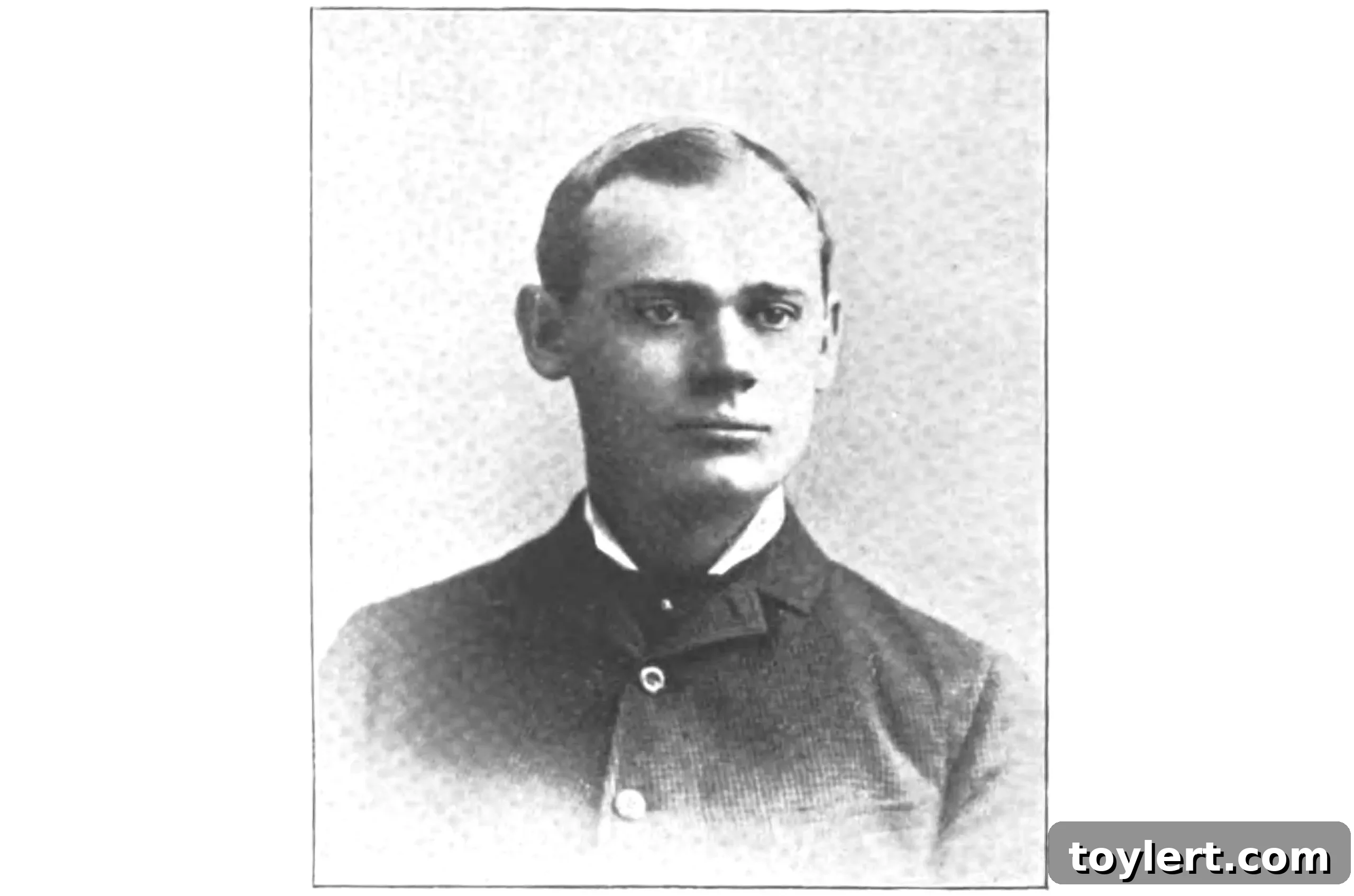
By his mid-teens, John Pope had already entered the workforce, securing a demanding position as a wagon boy for an express delivery service in Manhattan. This was not a job for the faint of heart. The streets of Manhattan in the years following the Civil War were a chaotic labyrinth of horse-drawn carriages, burgeoning commerce, and endless activity. Navigating this dense urban landscape was a test of endurance and wit, a challenge arguably as formidable then as traversing modern-day city traffic. John’s role involved making urgent deliveries for the city’s burgeoning class of industrialists and merchants, individuals who demanded speed and reliability for their goods to reach buyers without delay. This was his first direct exposure to the cutthroat world of New York commerce, and he absorbed its lessons quickly.
What set young Pope apart was not just his willingness to work, but his exceptional industriousness. He possessed an innate drive that chafed against inefficiency. Unlike his peers who might idly wait for instructions, John was proactive to a fault. When he arrived at a business for a pickup and the consignment wasn’t immediately ready, he didn’t merely stand by. Instead, he would spring into action, leaping from his wagon to assist with loading or unloading. His initiative often extended to venturing into the depths of a warehouse, personally packing goods to expedite the process. This hands-on approach, a rare sight among casual laborers, quickly earned him a reputation as an exceptionally diligent and indispensable young man. His keen observations during these daily interactions also offered him invaluable insights into the operational nuances of various businesses, laying an unwitting foundation for his future entrepreneurial ventures.
From Delivery Routes to Business Acumen: John Pope’s Strategic Ascent
John Pope’s reputation for efficiency and his proactive disposition did not go unnoticed. In an era where punctuality and reliability were premium commodities, especially in the fast-paced world of New York’s burgeoning industries, his unique approach marked him for greater opportunities. It’s plausible that his direct interactions with influential merchants and factory owners during his delivery rounds provided him with a network and understanding of logistical challenges that few others possessed. He likely saw gaps in the market, inefficiencies that he, with his hands-on experience, knew how to address. This keen insight, coupled with his drive, steered him towards the next crucial phase of his career.
While the exact trajectory of his transition from wagon boy to business magnate is rich for speculation, the historical context points towards a strategic entry into the rapidly evolving world of industrial logistics and specialized transport. The image caption’s reference to “Industrial Refrigeration” and “American Tobacco Company John Pope” offers a significant clue. The late 19th century was a period of immense industrial innovation, and the development of refrigeration technology was revolutionary, particularly for industries dealing with perishable goods, including tobacco. Tobacco, sensitive to moisture and temperature, required precise storage and transport conditions to maintain quality and prevent spoilage. John Pope, having likely witnessed firsthand the challenges of moving and storing various commodities, recognized the immense potential of applying new technologies to solve these logistical problems.
Building an Empire: John Pope and the American Tobacco Industry
It’s within this dynamic landscape that John Pope began his true ascent. He may have founded a specialized logistics firm focused on the efficient and technologically advanced transportation and storage of goods, possibly even patenting or implementing novel refrigeration techniques suitable for the large-scale needs of burgeoning industries. His understanding of the New York transportation network, honed since his wagon-boy days, combined with his embrace of new industrial refrigeration methods, positioned him perfectly to serve the giants of American commerce. The American Tobacco Company, a formidable trust founded by James B. Duke, was rapidly consolidating its power, requiring an incredibly robust and efficient supply chain to manage the vast quantities of tobacco leaves, manufactured products, and distribution networks stretching across the nation.
John Pope likely became an indispensable figure in this burgeoning empire. Whether as a key supplier, a strategic partner, or even an executive within the American Tobacco Company itself, his contributions to optimizing their logistics—particularly through the innovative application of refrigeration—would have been invaluable. He understood how to move goods faster, preserve their quality longer, and manage vast inventories more efficiently, all critical elements in the ruthless competition of the Gilded Age. His shrewd business acumen, developed from observing market demands and identifying solutions, allowed him to amass significant wealth and influence. He was no longer just a delivery boy; he was a strategic thinker, an innovator, and a power player in the vibrant, often cutthroat, world of late 19th-century American business.
The Grandeur of the Gilded Age: The Pope Family Mansion and Legacy
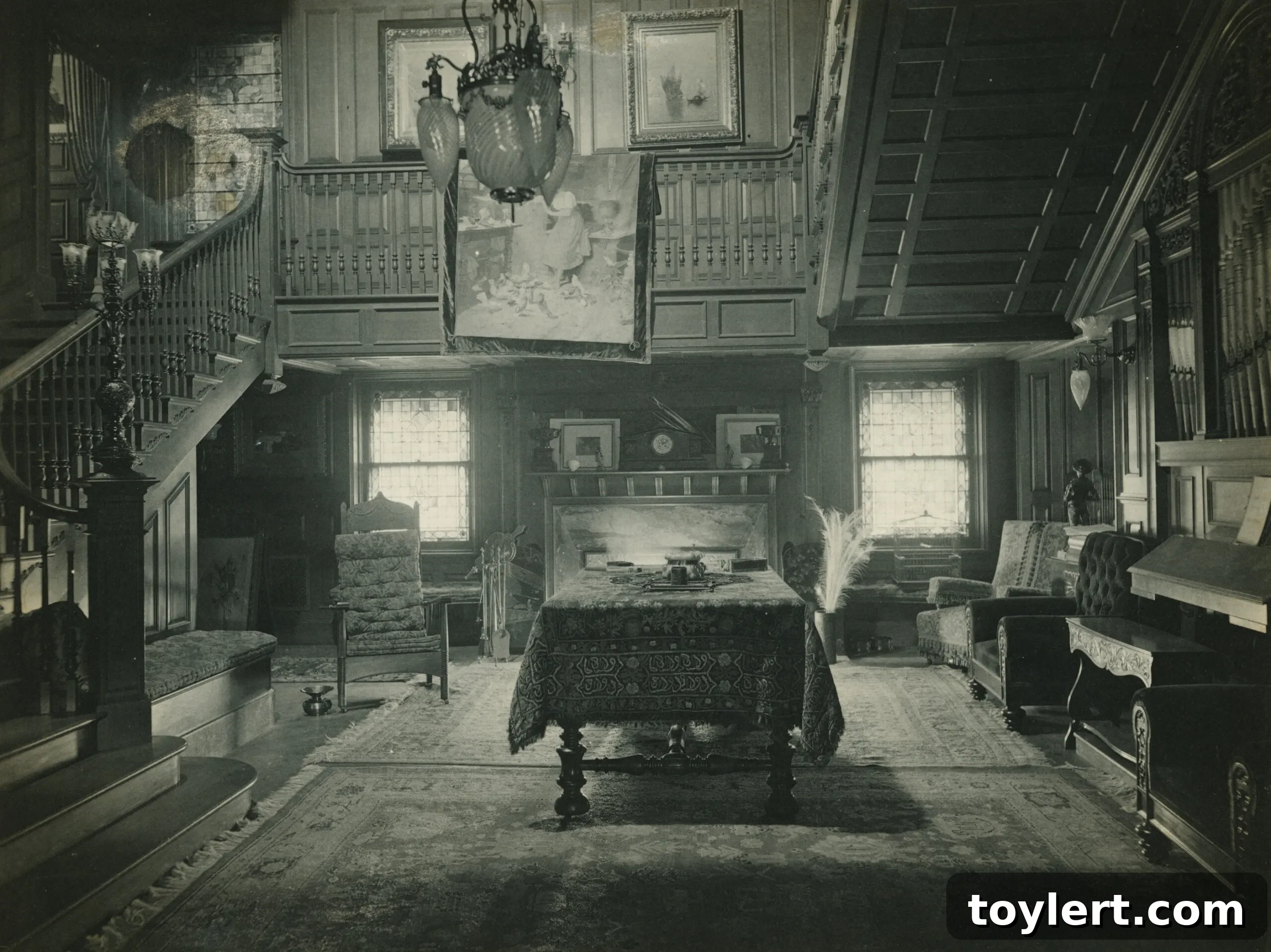
With his fortune secured and his reputation as a shrewd industrialist cemented, John Pope transitioned from the relentless grind of entrepreneurship to enjoying the fruits of his labor. The era was defined by opulence and grandeur, and the wealthy often showcased their success through lavish homes. It is here that the mention of the “Pope Mansion” on Bushwick Avenue becomes particularly relevant. This prestigious address in Brooklyn would have been a stark contrast to the humble tenement where he spent his early years. The mansion itself would have been a testament to his incredible journey, an architectural marvel reflecting the prevailing tastes of the Gilded Age: ornate detailing, spacious interiors, and a clear statement of arrival among the city’s elite.
The Pope Mansion would have served as more than just a home; it was a symbol of his achievement, a hub for social gatherings, and a place where his family could experience a life far removed from the struggles of his youth. John Pope, the self-made man, had not only achieved personal wealth but had also established his family firmly within the upper echelons of New York society. He likely engaged in philanthropy, supported civic causes, and exerted influence in local and state politics, as was customary for men of his stature during that period. His life embodied the quintessential American Dream, a compelling narrative of perseverance transforming into prosperity against all odds.
The Next Generation: Navigating Inherited Wealth and Enduring Legacies
Yet, the narrative of remarkable success often carries an inherent tension, particularly concerning the next generation. The children of self-made individuals face a unique challenge: growing up with inherited wealth and privilege, often without the formative experiences of struggle that forged their parents’ character. For John Pope’s descendants, the opulent lifestyle within the Bushwick Avenue mansion, the elite education, and the automatic access to social circles, presented a different set of trials. Would they possess the same drive, the same business acumen, or the same resilience that defined their progenitor?
This is where the pervasive cultural fascination with the “fall from grace” often comes into play. While John Pope himself exemplified an unwavering ascent, the complexities of inherited wealth can sometimes lead to different outcomes for subsequent generations. Histories are replete with examples of families whose fortunes dwindled, whose names became associated with scandal, or whose descendants simply failed to live up to the towering achievements of their ancestors. Whether the Pope family maintained its prominence for generations, splintered into various branches with differing fates, or experienced personal misfortunes that brought them back down to earth, their story would continue to reflect the broader human drama of success, legacy, and the often-unpredictable arc of family fortunes. The wealth and opportunities John Pope created provided a foundation, but the choices and characters of his children and grandchildren would ultimately determine the enduring shape of his legacy.
An Enduring American Narrative: Reflection on John Pope’s Journey
The life of John Pope serves as a powerful testament to the boundless possibilities that existed in America during a period of unprecedented industrial growth and social transformation. His journey from an impoverished Brooklyn immigrant’s son to a key figure in major industries like tobacco and logistics embodies the very essence of the Gilded Age self-made success story. It underscores the immense value of diligence, adaptability, and an unwavering commitment to efficiency in a competitive world. His ability to identify emerging needs and leverage new technologies, such as industrial refrigeration, not only secured his personal fortune but also played a role in shaping the commercial landscape of his time.
Beyond the personal triumphs, the saga of the Pope family resonates because it encapsulates the broader human experience: the exhilarating climb to success, the challenges of maintaining a legacy across generations, and the enduring fascination with how wealth and privilege can both empower and complicate lives. John Pope’s story, a mosaic of hard work, strategic vision, and remarkable achievement, continues to captivate, reminding us that while the specific industries and technologies may evolve, the core tenets of ambition, innovation, and the enduring quest for the American Dream remain timeless.