Understanding Real Estate: Open Houses, Asking Prices, and Smart Negotiations
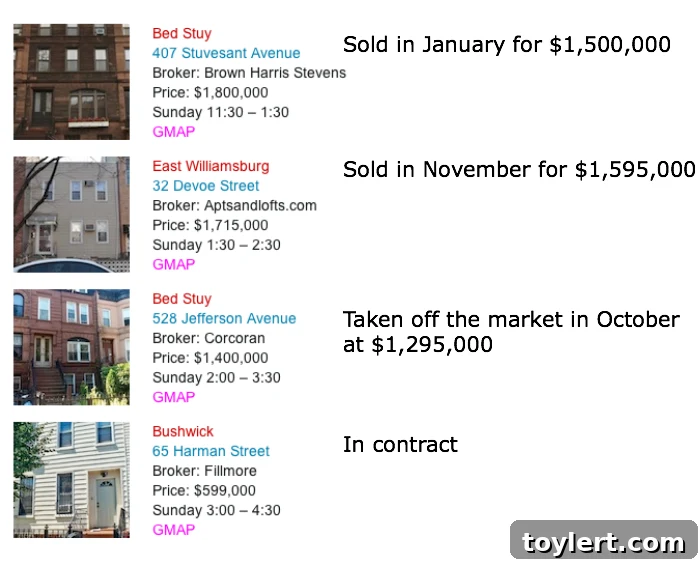
The journey of buying or selling a home is often filled with excitement, anticipation, and a fair share of strategic considerations. From the initial thrill of an open house visit to the intricate dance of negotiation, every step plays a crucial role in the final outcome. One common observation in the real estate market, as highlighted by a past comment – “Two sold for less than ask” – underscores the reality that a property’s asking price isn’t always its final selling price. This phenomenon is a cornerstone of a dynamic market, reflecting factors from market demand and property condition to seller urgency and buyer negotiation prowess. This article delves into the nuances of open houses, the true meaning behind asking prices, and how astute negotiation can shape real estate deals.
The Allure and Importance of Open Houses
Open houses are a cornerstone of the residential real estate market, serving as a pivotal platform for both buyers and sellers. For prospective buyers, they offer an invaluable opportunity to experience a property firsthand without the pressure of a private showing. It’s a chance to walk through various homes, gauge their layout, condition, and atmosphere, and envision life within their walls. Open houses facilitate comparative shopping, allowing buyers to quickly assess multiple listings in a neighborhood and refine their preferences.
For sellers, an open house is a high-visibility marketing event. It generates buzz, attracts a wider pool of potential buyers, and creates a sense of urgency and competition. A well-staged open house can significantly enhance a property’s appeal, making a lasting first impression that could translate into a serious offer. It’s an efficient way to showcase a home to numerous individuals simultaneously, gathering immediate feedback and interest. Ultimately, open houses are more than just viewings; they are a critical mechanism for market exposure and buyer engagement.
Beyond the Sticker Price: Deciphering Asking vs. Selling Prices
In real estate, the “asking price” is merely the seller’s initial declaration of what they hope to receive for their property. It’s an opening statement in a conversation that can lead to various outcomes. This price is typically determined by a combination of factors, including comparable sales (comps) in the area, the property’s unique features, market conditions, and the seller’s personal financial goals or timeline. However, the “selling price” or “closing price” is the actual amount a buyer agrees to pay and the seller accepts. The discrepancy between these two figures is where the real market dynamics come into play.
The difference between the asking and selling price can vary significantly. Sometimes, properties sell above asking, especially in highly competitive seller’s markets or for exceptionally desirable homes. More often, however, properties sell at or below the asking price, particularly in balanced or buyer’s markets. Understanding this distinction is fundamental for both parties involved. For sellers, it means being realistic and flexible; for buyers, it signifies an opportunity for negotiation.
Why Properties Sell for Less Than Asking
The observation that properties sometimes sell for less than their initial asking price is not uncommon, and several factors contribute to this outcome:
- Market Conditions: A buyer’s market, characterized by an abundance of listings and fewer buyers, often grants buyers more leverage, leading to lower offers. Economic downturns or high-interest rates can also dampen demand.
- Overpricing: One of the most common reasons. If a property is initially listed at a price significantly higher than its true market value based on comparable sales and condition, it will likely sit on the market longer, eventually necessitating a price reduction to attract buyers.
- Property Condition: Homes requiring significant repairs, renovations, or lacking modern amenities often command lower offers. Buyers factor in the cost and effort of these improvements into their bid.
- Urgency of Seller: Sellers who need to sell quickly due to relocation, financial constraints, or other personal reasons may be more inclined to accept a lower offer to expedite the sale.
- Negotiation Skills: A skilled buyer’s agent can effectively negotiate on behalf of their client, presenting compelling arguments based on market analysis, property flaws, or inspection reports to justify a lower price.
- Lack of Demand: Even in a generally strong market, specific properties might not appeal to a broad audience due to unique features, location, or layout, resulting in limited offers and price flexibility.
Mastering the Negotiation Landscape for Buyers and Sellers
Negotiation is an art form in real estate, requiring strategy, patience, and a deep understanding of market realities. For buyers, the goal is to secure the best possible deal without alienating the seller. This involves:
- Thorough Market Research: Understand comparable sales, current inventory, and local market trends. This knowledge empowers you to make informed offers.
- Objective Assessment: Evaluate the property’s condition, potential repairs, and any hidden costs. An inspection report can be a powerful negotiation tool.
- Strategic Offers: Don’t be afraid to offer below asking, especially if justified by market conditions or property issues. However, ensure your offer is serious and well-supported to be taken seriously.
- Leveraging Contingencies: Use contingencies (e.g., financing, inspection, appraisal) to protect your interests and potentially renegotiate if new issues arise.
For sellers, the aim is to maximize the sale price and terms. Key strategies include:
- Realistic Pricing: Price your home competitively from the outset based on solid market analysis. An overpriced home often leads to a stale listing and eventual price drops that look less appealing.
- Staging and Presentation: Invest in professional staging, minor repairs, and decluttering to present your home in its best light. A well-maintained and attractive home can command a higher price.
- Understand Buyer Feedback: Pay attention to what potential buyers and their agents are saying. This feedback can be crucial for making necessary adjustments.
- Patience (Within Reason): While urgency can force a lower price, having the flexibility to wait for the right offer can pay off.
- Effective Counter-Offers: Don’t just accept or reject offers; craft thoughtful counter-offers that address buyer concerns while protecting your interests.
Leveraging Real Estate Insights and Resources
Navigating the complex world of real estate requires access to reliable information and expert analysis. Resources like local real estate blogs, news outlets, and market reports are invaluable. They provide insights into neighborhood trends, property values, new developments, and expert opinions that can significantly influence buying and selling decisions. For example, publications like Brownstoner, often referenced for their coverage of specific markets (e.g., Brooklyn real estate), offer detailed “Open House Picks” that serve as a guide for buyers and a benchmark for sellers.
Staying informed about the market helps both parties make strategic choices. For buyers, knowing what’s available and what properties are truly worth prevents overpaying. For sellers, understanding the competition and buyer demand allows for optimal pricing and marketing strategies. The link below, though from 2013, exemplifies how such curated content helps potential homeowners explore options and understand the pulse of a particular market.
Open House Picks 8/23/2013 [Brownstoner]
The Timeless Principles of Real Estate Across Market Cycles
While the specific data point of “Open House Picks 8/23/2013” and the observation about sales below asking might seem like a historical footnote, they underscore timeless principles in real estate. Market conditions are cyclical, influenced by economic factors, interest rates, and housing supply and demand. What was true in 2013 – that properties could sell for less than asking – remains a possibility and often a reality in various market conditions today.
The fundamental lessons from such observations are enduring: realistic pricing, effective marketing (including open houses), skilled negotiation, and access to reliable market intelligence are consistently crucial. Whether you’re looking at a bustling seller’s market or a more subdued buyer’s market, the ability to analyze, adapt, and negotiate will always be your greatest asset.
Conclusion: Informed Decisions Lead to Successful Outcomes
The journey through real estate, whether as a buyer or a seller, is multifaceted. It involves more than just finding a pretty house or listing a property at a desired price. It’s about understanding market dynamics, appreciating the difference between an asking price and a selling price, and mastering the art of negotiation. Open houses provide a critical gateway to this process, offering both opportunities and insights. By leveraging market data, expert resources like local real estate blogs, and honing negotiation skills, individuals can approach the real estate market with confidence, making informed decisions that lead to successful and satisfying outcomes. Always remember that a well-researched and strategically executed plan is your best tool in achieving your real estate goals.