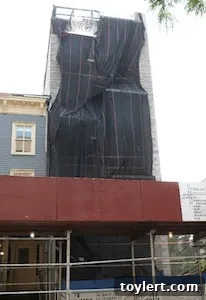
The Resurgence of 340 Dean Street: From Abandoned Shell to Modern Development in Brooklyn
A significant transformation is underway at 340 Dean Street, a site long familiar to Brooklyn residents for its stalled construction and abandoned state. Located strategically between 3rd and 4th Avenues, this property is finally shedding its past, signaling a new chapter for its corner of the borough. Recent reports confirm that demolition has commenced on what was once the completed shell of a building designed by Scarano Architects, making way for an entirely new structure. This redevelopment project promises to revitalize a key plot in a rapidly evolving neighborhood, replacing a long-standing eyesore with modern, much-needed residential units.
A Troubled Past: The Saga of 340 Dean Street’s Original Construction
For years, 340 Dean Street has stood as a stark reminder of stalled ambition and construction woes. The site housed a partially built, yet ultimately abandoned, structure that had become a local landmark of incompletion. Originally conceived and partially constructed between 2006 and 2010 under the guidance of its initial owner, the building was designed by the well-known Scarano Architects. Scarano’s work, often characterized by distinctive contemporary designs, has left an indelible mark across many Brooklyn neighborhoods. However, the vision for 340 Dean Street never fully materialized, leading to years of inactivity and a skeletal structure that slowly deteriorated, contributing little to the vibrant streetscape of Dean Street.
The reasons for its prolonged abandonment are multifaceted, but a key factor, as revealed by a tipster close to the project, was the substandard quality of the initial construction. The report explicitly states that the work performed by the original owner was “so shoddy that it was cheaper for the current developer to take it down and rebuild it.” This candid assessment highlights a critical issue in urban development: the long-term costs associated with poor craftsmanship. When foundational integrity or structural soundness is compromised from the outset, the financial and logistical challenges of remediation can far outweigh the benefits, often making a complete reset the most economically viable solution.
The presence of a half-finished building for over a decade can have several negative impacts on a community. It can depress property values, attract illicit activity, and generally detract from the aesthetic appeal and sense of community pride. For residents of Dean Street and the surrounding areas of Boerum Hill and Gowanus, the abandoned shell at 340 Dean Street became a symbol of unfulfilled potential. Its impending demolition, therefore, represents not just a change in development plans, but a significant psychological uplift for the neighborhood, clearing the way for a more positive contribution to its urban fabric.
The Economic and Structural Rationale Behind Demolition and Reconstruction
The decision to demolish an existing structure, even a partially completed one, and rebuild from the ground up is rarely taken lightly. It involves significant upfront costs, including demolition permits, labor, and debris removal, followed by the entire cycle of new construction. Yet, in the case of 340 Dean Street, the current developer determined this to be the most prudent path forward. The primary driver for this decision was the “shoddy” nature of the original construction. Issues like compromised foundations, improperly installed structural elements, or non-compliant materials can render a building shell unstable, unsafe, or simply not fit for its intended purpose.
Attempting to rectify such deep-seated construction flaws through renovation or retrofitting can be an incredibly complex and expensive endeavor. Engineers and architects would need to thoroughly assess every component, often requiring extensive, intrusive repairs that might approach or even exceed the cost of starting anew. Moreover, modern building codes, energy efficiency standards, and seismic requirements continually evolve. A structure built over a decade ago might not easily conform to today’s rigorous mandates without substantial, costly modifications. By opting for a complete demolition and rebuild, the developer gains the advantage of designing and constructing a building that is fully compliant with all contemporary regulations, structurally sound from its inception, and optimized for modern living standards.
Furthermore, the ability to rebuild on the “same footprint and same FAR” (Floor Area Ratio) is a crucial aspect of this decision. FAR is a zoning tool that regulates the maximum allowable building floor area on a given lot. By adhering to the original FAR, the developer avoids lengthy and potentially contentious processes of seeking zoning variances, which can delay projects significantly and incur additional legal and administrative costs. This continuity in zoning parameters allows for a more streamlined approval process, making the complete overhaul a more predictable and, ultimately, more cost-effective strategy in the long run, despite the initial expense of demolition. This approach underscores a developer’s commitment to delivering a quality product that meets both regulatory standards and market expectations.
A New Vision for Dean Street: Modern Residential Living
With the old structure giving way, a fresh blueprint has emerged for 340 Dean Street. The Department of Buildings (DOB) issued a new building permit this past March, outlining plans for a four-story, eight-unit residential structure. This new development is poised to introduce much-needed housing stock into one of Brooklyn’s most desirable areas, responding to the persistent demand for quality urban living spaces. The design of an eight-unit building suggests a focus on creating intimate, community-oriented residences, potentially offering a mix of studio, one, or two-bedroom apartments or condominiums, catering to a diverse demographic of city dwellers.
Modern residential developments typically incorporate a range of features designed to enhance comfort, convenience, and sustainability. Future residents can likely anticipate open-concept layouts, high ceilings, large windows maximizing natural light, and high-end finishes. Given contemporary trends, features like energy-efficient appliances, smart home technology integrations, and perhaps even green building elements such as rooftop gardens or solar panels, could be part of the new design. The project will likely prioritize amenities crucial for urban living, which might include private outdoor spaces, secure bike storage, and perhaps a communal lounge or fitness area, depending on the final architectural scheme.
The choice of a four-story structure is also significant, as it often allows for a blend of design flexibility and neighborhood compatibility. In areas like Dean Street, which boast a mix of historic brownstones and newer constructions, a well-designed four-story building can integrate seamlessly into the existing urban fabric, contributing to the street’s aesthetic appeal without overwhelming its character. This project represents more than just a new building; it’s an opportunity to create thoughtfully designed homes that enrich the lives of their occupants and contribute positively to the evolving identity of the Dean Street corridor.
Navigating the Regulatory Landscape: Permits and Progress
The journey of any significant construction project in New York City is deeply intertwined with the rigorous processes of the Department of Buildings (DOB). The issuance of a new building permit in March for 340 Dean Street marks a crucial milestone, signifying that the developer’s plans have met the city’s extensive codes and safety requirements. This permit is the green light for the construction of the four-story, eight-unit development, moving the project from conceptual design to tangible reality. It entails a thorough review of architectural drawings, structural engineering plans, and compliance with zoning regulations, ensuring that the proposed building is safe, sound, and suitable for its intended use.
This latest development stands in stark contrast to the property’s earlier regulatory history. It is noted that the DOB had renewed the original Scarano permits back in 2011. However, these renewals ultimately “never went anywhere,” indicating that despite the administrative approvals, the underlying issues or financial constraints prevented the project from moving forward at that time. The expiration of these earlier permits, or the strategic decision by the new owner to secure fresh permits, underscores the abandonment of the prior construction approach. The current developer, by securing a brand new permit, has effectively wiped the slate clean, ensuring that the entire construction process will adhere to the most current standards and inspections, mitigating the risks associated with the previous, failed attempt.
The process for obtaining demolition and new construction permits in New York City is meticulous, involving multiple stages of review, inspections, and public notifications. This ensures transparency and accountability, providing an opportunity for community input and adherence to urban planning objectives. The fact that a new building permit has been successfully obtained signals confidence from both the developer and the city in the viability and quality of the proposed project. It promises an orderly transition from derelict structure to a vibrant, functional asset for the community, under the watchful eye of regulatory authorities.
Market Dynamics, Investment, and Neighborhood Evolution
The real estate transaction history of 340 Dean Street provides valuable insight into the evolving market dynamics of Brooklyn. The site last changed hands in 2010 for $1,400,000. This price point, even over a decade ago, reflected the growing appeal of Brooklyn neighborhoods situated near established amenities and convenient transportation hubs. Dean Street itself is perfectly positioned, bordering the lively cultural hub of Boerum Hill and the increasingly trendy, industrially chic Gowanus area, both of which have seen tremendous growth and investment over the past two decades.
The decision by the current developer to invest significantly in demolishing a shell and constructing a new building at this location speaks volumes about the continued strength and upward trajectory of the Brooklyn real estate market. Property values in these adjacent neighborhoods have appreciated substantially since 2010, driven by a consistent influx of new residents, robust economic activity, and ongoing infrastructure improvements. A new, modern residential building with eight units is expected to command competitive prices, whether sold as condominiums or offered as rental units, further solidifying the area’s reputation as a prime location for urban living.
This redevelopment project is a micro-reflection of a broader trend: the continuous reinvention of New York City’s urban landscape. Abandoned or underutilized parcels are increasingly being transformed into high-quality residential and commercial spaces, driven by sustained demand and strategic investment. For 340 Dean Street, this means moving beyond its past as an incomplete project to becoming a valuable contributor to the housing supply and the overall economic vitality of the neighborhood. It signifies renewed confidence in urban development and the enduring appeal of Brooklyn as a premier place to live and invest.
A New Chapter for Dean Street
The demolition at 340 Dean Street heralds a long-awaited transformation, concluding years of stagnation and ushering in a period of renewal. This project symbolizes resilience in urban development, turning a problematic site into a promising new residential building. It’s a testament to the ongoing evolution of Brooklyn’s neighborhoods, where challenges are met with innovative solutions and a commitment to progress. The new four-story, eight-unit structure will undoubtedly be a welcome addition, enhancing the streetscape and providing modern homes for future residents, marking a vibrant new chapter for this corner of Dean Street.
Permits Renewed for Dean Street Project [Brownstoner] GMAP DOB