Brooklyn Buzz: Unpacking Key Developments Across the Borough
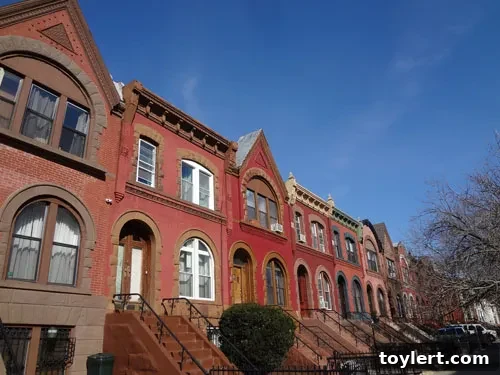
Brooklyn, a borough renowned for its vibrant communities, historic architecture, and dynamic urban landscape, is constantly evolving. From the critical discussions surrounding public health and local businesses to the intricate challenges of urban planning and community activism, the pulse of Brooklyn offers a fascinating microcosm of metropolitan life. This comprehensive update delves into several pivotal topics currently shaping the borough, offering insights into restaurant grading systems, local development disputes, healthcare industry challenges, the future of vital shipping lanes, and the ever-present shifts in its competitive real estate market.
As Brooklyn continues its remarkable transformation, the stories emerging from its neighborhoods underscore the complex interplay between progress and preservation. Whether it’s the ongoing debate over fair grading for beloved eateries, the passionate defense of community spaces, or the strategic financial maneuvers impacting local hospitals and housing, each narrative contributes to the rich tapestry of Brooklyn’s identity. Join us as we explore these crucial developments, shedding light on the issues that matter most to residents and stakeholders alike.
Rethinking Restaurant Health Grades: A Call for Improvement
The system for grading restaurants, prominently displayed in establishments across New York City, has been a subject of ongoing debate and scrutiny. An Op-Ed in The New York Times highlighted a critical need for improving these “report cards,” raising questions about their efficacy, fairness, and true impact on public health and consumer perception. While the intention behind a transparent grading system is undeniably positive—to inform diners about sanitary conditions and encourage establishments to maintain high standards—its practical application often faces challenges.
Critics argue that the current system can be overly punitive, sometimes failing to differentiate between minor infractions and serious health hazards. A single, low grade can disproportionately affect a restaurant’s reputation and business, irrespective of the actual risk posed to the public. This can be particularly devastating for small, independent businesses that may lack the resources to quickly address every nuance of complex health codes. Furthermore, the subjective nature of some inspections, coupled with the potential for inconsistencies across different inspectors, can lead to a sense of unfairness among restaurateurs.
Advocates for reform suggest several improvements. One proposal involves a more nuanced grading scale that provides specific details about violations, allowing consumers to make more informed decisions rather than relying solely on an overarching letter grade. Another idea focuses on increased transparency regarding the appeal process and clearer guidelines for corrective actions. Education for restaurant owners, particularly regarding preventative measures and best practices, could also foster a more collaborative approach to public health. Ultimately, the goal is to create a system that genuinely safeguards public health while supporting the city’s vital culinary industry, ensuring that both diners and restaurant owners feel the system is equitable and effective.
Sheepshead Bay: Community Rises Against Reopening of Shuttered Club
The tranquil waterside community of Sheepshead Bay is currently embroiled in a passionate dispute as neighbors actively fight attempts to reopen a previously shuttered club. This localized conflict underscores broader issues of neighborhood character, quality of life, and the delicate balance between commercial interests and residential peace. The club, once a source of late-night activity, had its operations suspended due to various complaints, presumably related to noise, crowd control, and potential disturbances to the surrounding residential areas.
For the residents of Sheepshead Bay, the prospect of the club reopening evokes concerns about a return to previous problems. Community members often prioritize peace and quiet, especially in an area known for its scenic views and family-friendly atmosphere. The potential for increased traffic, noise pollution, and public safety issues becomes a significant point of contention. Local activist groups have mobilized, attending community board meetings, circulating petitions, and engaging local politicians to voice their strong opposition. Their arguments often center on zoning regulations, the club’s operational history, and the potential negative impact on property values and overall neighborhood desirability.
Conversely, proponents of the club’s reopening, including the owners and potential employees, might highlight economic benefits such as job creation and increased local revenue. They may argue for their right to operate a legal business and could propose revised operational plans to mitigate past issues. This clash of interests presents a classic urban dilemma, requiring careful mediation and consideration of all stakeholders. The outcome will likely set a precedent for similar disputes in Brooklyn, emphasizing the power of organized community action and the importance of responsive local governance in shaping urban environments.
Long Island College Hospital Grapples with Malpractice Claims and Financial Strain
The healthcare landscape, particularly in a dense urban environment like New York City, is fraught with financial complexities and the ever-present challenge of maintaining high standards of patient care. Long Island College Hospital (LICH) found itself in a precarious position, reportedly paying only 60 cents on the dollar for malpractice claims. This situation, often a symptom of deeper financial distress and “merger fallout,” highlights the intense pressures faced by hospitals in balancing their books while delivering essential medical services.
Malpractice claims are a serious concern for any healthcare institution. They not only incur significant legal and settlement costs but also can damage a hospital’s reputation and erode public trust. When a hospital struggles to fully compensate victims of malpractice, it signals severe financial instability, potentially impacting its ability to attract and retain top medical talent, invest in modern equipment, or even maintain basic operational standards. The “merger fallout” reference suggests that LICH’s financial woes were compounded by complex consolidations or partnerships, which often promise efficiencies but can sometimes lead to unforeseen financial liabilities and administrative challenges.
The implications of such a scenario are far-reaching. Patients and their families might face increased uncertainty regarding the quality of care and the financial stability of the institutions serving their communities. For healthcare professionals, working in a financially vulnerable hospital can create a stressful environment, potentially leading to burnout and a decline in morale. This situation underscores the critical need for robust financial management, transparent governance, and effective risk management strategies within the healthcare sector to ensure patient safety and the long-term viability of essential medical facilities.
Port Authority’s Commitment to Red Hook Shipping: A Vital Economic Lifeline
The Port of Red Hook in Brooklyn plays a crucial role in the economic fabric of New York City, acting as a vital artery for goods and commerce. Therefore, the news that the Port Authority is determined to prevent Red Hook shipping from sinking is a significant reassurance for local businesses and the regional economy. In an era where many urban waterfronts are being redeveloped for residential and recreational purposes, preserving industrial maritime operations presents a unique set of challenges and opportunities.
The Red Hook container terminal, though smaller than some of its counterparts, provides essential services, including handling specialized cargo and offering an alternative entry point for goods into the metropolitan area. Its continued operation supports numerous jobs, from longshoremen to logistics professionals, and contributes significantly to the local economy. However, maintaining port operations in a rapidly gentrifying neighborhood like Red Hook requires constant effort. Issues such as trucking logistics, environmental regulations, and competition for land use are persistent concerns.
The Port Authority’s commitment signifies an understanding of the strategic importance of Red Hook’s port activities. This involves not only financial support but also strategic planning to ensure the port remains competitive, environmentally responsible, and integrated within the evolving urban landscape. Efforts may include infrastructure improvements, streamlined customs processes, and initiatives to mitigate the impact of port operations on local residents. By safeguarding Red Hook’s shipping capabilities, the Port Authority helps to maintain a diverse economic base for Brooklyn and ensures that vital supply chains continue to serve one of the world’s largest consumer markets.
Commercial Buzz: LIC Brokerage and Coffee Spot Head to Williamsburg
Brooklyn’s commercial landscape is perpetually shifting, with new businesses emerging and expanding into vibrant neighborhoods. The announcement that an LIC brokerage and a coffee spot are coming to “The Burg”—a popular moniker for Williamsburg—underscores the continued commercial appeal and growth of this iconic Brooklyn neighborhood. This trend reflects the ongoing urbanization and gentrification dynamics that have redefined parts of the borough over the past two decades.
Williamsburg has transformed from an industrial hub into a global destination known for its arts, culture, and thriving independent business scene. The arrival of a new brokerage firm indicates sustained confidence in the area’s real estate market, signaling continued investment and development. Brokerages often follow residential and commercial growth, facilitating property transactions and contributing to market fluidity. This suggests that demand for properties in Williamsburg, both for living and for business, remains robust.
Concurrently, the opening of a new coffee spot aligns perfectly with Williamsburg’s lifestyle. Coffee shops are often seen as community anchors, providing spaces for work, social interaction, and creative expression. Their proliferation is a hallmark of urban revitalization and the growth of a pedestrian-friendly, amenity-rich environment. This dual development—a service-oriented brokerage and a lifestyle-oriented coffee shop—illustrates the diverse commercial ecosystem flourishing in Williamsburg, catering to both the practical needs of residents and businesses and the cultural desires of its diverse population. These new additions will undoubtedly contribute to the neighborhood’s dynamic commercial tapestry, attracting more foot traffic and further solidifying Williamsburg’s status as a premier urban destination.
Addressing Housing Needs: Four Brooklyn Buildings Receive Mortgage Aid
The escalating cost of living and the persistent demand for affordable housing remain critical challenges across New York City, particularly in Brooklyn’s competitive real estate market. The news that four Brooklyn buildings have received mortgage aid is a welcome development, offering a glimpse into efforts aimed at stabilizing housing and preventing displacement. Such aid programs are vital tools for maintaining affordability and supporting residents in a rapidly changing urban environment.
Mortgage aid can take various forms, including refinancing assistance, principal reductions, or subsidies designed to make housing more accessible and sustainable for current residents. The specific nature of the aid received by these four buildings likely targets properties with existing affordability covenants or those in danger of defaulting, thereby preserving their status as affordable units or preventing foreclosures. This type of intervention is crucial for tenants, as it helps to keep rents stable and protects them from the volatility of market-rate increases, which can often lead to the displacement of long-term residents and a loss of community diversity.
Government and non-profit organizations often collaborate to provide such financial assistance, recognizing that a stable housing supply is fundamental to a healthy and equitable city. These initiatives reflect a commitment to counteracting the pressures of gentrification and ensuring that Brooklyn remains accessible to a broad spectrum of income levels. While four buildings represent a small fraction of the borough’s housing stock, each instance of aid contributes to the larger goal of creating and preserving affordable housing options, helping to sustain the vibrant, diverse communities that define Brooklyn.
Conclusion: Brooklyn’s Enduring Spirit of Adaptability and Community
The collection of stories emanating from Brooklyn—from the intricate debates over restaurant grading to community battles, healthcare fiscal challenges, industrial preservation efforts, and commercial and residential real estate shifts—paints a vivid picture of a borough in perpetual motion. Each development, whether a small local dispute or a significant policy decision, reflects Brooklyn’s enduring spirit of adaptability and its strong sense of community. The residents and institutions of Brooklyn continually navigate the complexities of urban life, demonstrating resilience, ingenuity, and a deep commitment to shaping their future.
These narratives are not isolated incidents but interconnected threads in the larger tapestry of Brooklyn’s evolution. They highlight the constant dialogue between tradition and innovation, local identity and global influences, and the critical balance between progress and equitable development. As Brooklyn continues to grow and redefine itself, its ability to address these diverse challenges, support its citizens, and preserve its unique character will remain paramount. The ongoing engagement of its communities, the responsiveness of its leadership, and the vibrancy of its economic engine ensure that Brooklyn will continue to be a compelling and dynamic force in the metropolitan landscape.