Brooklyn Buzz: Unpacking Key Developments Across the Borough
Brooklyn, a borough renowned for its dynamic communities, vibrant culture, and ever-evolving landscape, is frequently a nexus of significant developments. From local school challenges to borough-wide economic shifts and major infrastructure projects, staying informed about these changes is crucial for residents and stakeholders alike. This extensive roundup delves into a series of impactful news stories, shedding light on the issues shaping Brooklyn’s present and future. We explore everything from the pressing concerns of school overcrowding in Park Slope and the economic ripples of job displacement in Sunset Park, to crucial infrastructure updates on the Williamsburg Bridge, enhancements in accessibility at cultural institutions, the latest trends in the real estate market, and a peek into the architectural future of prominent developments. Join us as we unpack the headlines that capture the essence of Brooklyn’s diverse and spirited journey.
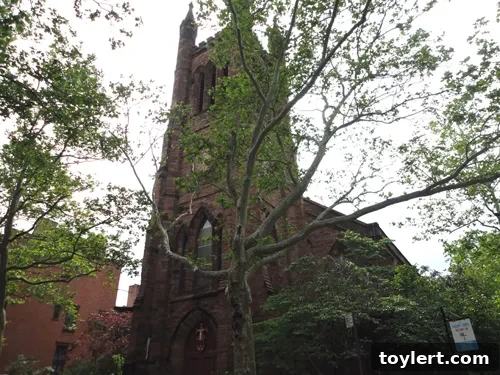
Community Concerns and Educational Challenges in Park Slope
Overcrowding at PS 107 Sparks Parental Anxiety
Park Slope, a highly sought-after neighborhood, continually grapples with the pressures of rapid population growth, particularly concerning its educational infrastructure. At the forefront of these challenges is PS 107, one of the area’s beloved public elementary schools, where parents have voiced significant worries about persistent overcrowding. The core issue revolves around the inability to accommodate additional kindergarten classes, a direct consequence of the neighborhood’s burgeoning young families. This situation isn’t merely about space; it impacts critical aspects of a child’s early education experience, raising alarms among the parent community.
Parents are concerned that increased student numbers could lead to larger class sizes, diminish the individualized attention teachers can provide, and strain existing resources such as libraries, gymnasiums, and communal spaces. The prospect of foregoing an additional kindergarten class means that more families might face the difficult choice of seeking alternatives, whether through lottery systems for other public schools, private education, or even considering moving out of the district entirely. This not only puts immense pressure on families but also highlights a systemic issue within Brooklyn’s most desirable school zones, where demand often outstrips available public education facilities.
The problem extends beyond PS 107, serving as a microcosm for broader educational infrastructure deficiencies across rapidly developing areas of Brooklyn. While the Department of Education often cites efforts to plan for future growth, the immediate needs of communities like Park Slope frequently outpace the construction and expansion of new school facilities. Solutions, such as temporary annexes or the conversion of existing non-classroom spaces, are often seen as stop-gap measures rather than sustainable long-term strategies. The ongoing dialogue between parents, school administration, and city officials is critical in finding equitable and effective solutions to ensure that every child in Park Slope has access to a quality, uncrowded learning environment.
Parents at Park Slope’s PS 107 Worry About Overcrowding [NY Daily News]
Economic Shifts and Job Displacement in Sunset Park
Food Plant Relocation Threatens 148 Jobs
Sunset Park, historically a hub for industrial activity and a vibrant working-class community, is confronting an economic blow with the announced relocation of a significant food processing plant. This move is projected to result in the loss of 148 jobs, sending ripples of concern throughout the local economy and impacting the lives of many families who rely on these positions. While the specific reasons for the plant’s relocation are often complex—ranging from rising operational costs and the need for larger, more modern facilities to evolving supply chain logistics or even lucrative real estate offers—the immediate consequence is a substantial setback for the employees and the community, highlighting the fragility of local job markets.
Job displacement on this scale can have profound effects. For the individuals involved, it means navigating the challenging landscape of job searching, potentially retraining for new industries, and facing financial insecurity during the transition. For Sunset Park, the departure of a long-standing employer can contribute to a decrease in local spending, affecting small businesses and the overall economic vitality of the neighborhood. This event underscores a broader trend seen across many urban industrial zones, where manufacturing jobs, once a cornerstone of local economies, are either moving out to cheaper locations or being replaced by new, often non-industrial, developments.
Community leaders and local organizations are typically quick to respond in such situations, seeking to connect affected workers with unemployment benefits, job placement services, and career counseling to ease their transition. The long-term challenge, however, lies in attracting new businesses that can provide stable, well-paying jobs to fill the void left by departing industries. This incident serves as a stark reminder of the delicate balance within urban economies and the constant need for strategic planning to support both existing industries and foster new growth opportunities, particularly in historically industrial waterfront areas like Sunset Park, which are undergoing significant transformation.
Sunset Park Food Plant Relocation Leaving 148 Jobless [NY Daily News]
Infrastructure Updates and Accessibility Enhancements
Williamsburg Bridge South Pathway to Close for Six Weeks
The Williamsburg Bridge, a vital artery connecting Manhattan and Brooklyn, is set to undergo critical maintenance, leading to the temporary closure of its South Pathway for approximately six weeks. This essential infrastructure project aims to ensure the safety and longevity of one of New York City’s iconic crossings, which has served millions of commuters for over a century. While necessary for structural integrity and future usability, the closure will undoubtedly impact thousands of daily commuters, particularly cyclists and pedestrians who rely on this direct route for travel between the two boroughs, necessitating adjustments to their daily routines.
The South Pathway is a heavily utilized conduit, especially during peak commuting hours, offering a scenic and efficient alternative to vehicular traffic. Its temporary closure will necessitate rerouting for many, potentially increasing congestion on the North Pathway or forcing commuters onto public transportation or other bridges, thereby extending travel times and disrupting established routines. The Department of Transportation (DOT) typically works to mitigate these inconveniences by providing clear signage, offering alternative route suggestions, and communicating the timeline effectively to the public through various channels, encouraging planning ahead.
Such closures, while inconvenient in the short term, are fundamental to maintaining the city’s aging infrastructure. Bridges like the Williamsburg, with over a century of service, require regular inspections, repairs, and upgrades to meet modern safety standards and accommodate increasing usage. This period of closure is a testament to the ongoing commitment to infrastructure upkeep, ensuring that the bridge remains a reliable and safe passage for generations to come, even if it means a temporary adjustment for its most frequent users. The long-term benefits of a well-maintained bridge far outweigh the temporary disruption, securing a critical link for New York City’s transportation network.
Williamsburg Bridge’s South Pathway to be Closed for 6 Weeks [BK Paper]
NYC Transit Museum Unveils ADA-Accessible Entrance
In a significant step towards greater inclusivity and public access, the New York Transit Museum in Brooklyn has announced the opening of a new ADA-accessible entrance. Located within a historic decommissioned subway station in Downtown Brooklyn, the museum is a treasure trove of New York’s transportation history, attracting visitors of all ages with its unique exhibits. However, its original setting, while historically rich, often presented accessibility challenges for individuals with disabilities, parents with strollers, and the elderly, limiting who could fully experience its offerings.
The implementation of an ADA-compliant entrance addresses these long-standing issues, ensuring that everyone can easily access and enjoy the museum’s extensive collections of vintage subway cars, buses, and interactive exhibits. This new entrance typically involves features such as ramps, elevators, and wider doorways, designed to provide a smooth and barrier-free experience from street level directly into the museum. This enhancement is not just a matter of compliance with federal regulations but reflects a broader, proactive commitment by cultural institutions across the city to make their spaces welcoming and navigable for all members of the community, fostering a more equitable environment.
Improving accessibility at institutions like the Transit Museum is crucial for fostering a more inclusive cultural landscape. It allows a wider demographic to engage with history, education, and art, enriching their lives and broadening the museum’s audience beyond its traditional reach. This initiative serves as an exemplary model for other historical venues in New York City, demonstrating that with thoughtful planning and investment, even the most architecturally challenging sites can be made accessible, preserving their unique character while embracing modern standards of universal design. It reinforces Brooklyn’s dedication to making its vibrant cultural scene available to everyone.
ADA-Accessible Entrance for Transit Museum [NY Post]
Real Estate and Urban Development Trends
PropertyShark Reports Steep Decline in NYC Foreclosures
In a positive indicator for the city’s housing market, a recent report from PropertyShark reveals a significant and steep decline in foreclosures across New York City. This data suggests a robust recovery and stabilization within the real estate sector, offering a welcome contrast to the challenging economic climate experienced in previous years, particularly following the global financial crisis. The reduction in foreclosures is often a strong sign of improving economic health, reflecting factors such as a stronger job market, increased consumer confidence, and potentially more stable property values, all contributing to greater financial security for homeowners.
Historically, periods of high foreclosures can destabilize neighborhoods, depress property values, and impact the financial well-being of countless homeowners, leading to broader economic ripple effects. A steep fall in these numbers indicates that fewer residents are struggling to meet their mortgage obligations, contributing to greater housing security and overall economic resilience across the five boroughs. This trend is particularly significant in diverse and expansive real estate markets like Brooklyn, where property values have seen considerable fluctuation and neighborhoods have experienced varying degrees of economic stress.
PropertyShark’s findings could signal a return to a more balanced and healthy real estate environment, where homeowners are better positioned to maintain their properties, and the market is less susceptible to the volatility that marked the post-recession era. This positive shift is beneficial not only for individual homeowners but also for investors, lenders, and the broader municipal economy, reinforcing New York City’s reputation as a resilient and attractive real estate market. It suggests a renewed confidence in urban living and investment, providing a solid foundation for future growth and stability within the housing sector.
PropertyShark: Foreclosures Fall Steeply in City [Crain’s]
Barclays Facade Mock-Up Offers Glimpse into Future Architecture
As development continues around the highly anticipated Barclays Center, a significant milestone has been reached with the public display of its facade mock-up. This preview allows architects, developers, community members, and curious onlookers to get a tangible sense of the materials, textures, and overall aesthetic that will define the exterior of this colossal entertainment and sports venue. The facade, often the first impression a building makes on its surroundings and inhabitants, plays a crucial role in how a structure integrates into its urban landscape and how it is perceived by the public, shaping its identity.
The mock-up offers a detailed look at the proposed design, which for a building as prominent as the Barclays Center, has been a subject of considerable discussion and artistic scrutiny within architectural circles and the broader community. It provides insight into the interplay of different construction materials, innovative lighting effects, and intricate architectural elements that will clad the arena. Such displays are vital for public engagement, feedback, and refinement, ensuring that the final structure not only meets functional requirements but also contributes positively to Brooklyn’s evolving architectural landscape and urban identity, aiming for a harmonious integration.
The Barclays Center, part of the larger Atlantic Yards development, represents a transformative project for Downtown Brooklyn and Prospect Heights, redefining the area’s skyline and public spaces. Its facade is more than just an outer shell; it’s a statement about modern urban design and the borough’s aspiration for contemporary landmarks that blend functionality with aesthetic appeal. The mock-up serves as an exciting visual prelude to the center’s eventual completion, inviting dialogue about its aesthetic contribution and its role as a new focal point for culture, entertainment, and community gathering in Brooklyn, promising to be an iconic addition to the borough’s architectural tapestry.
Barclays Facade Mock-Up On Display [Curbed]
This detailed exploration of recent Brooklyn news highlights the borough’s dynamic nature, characterized by ongoing growth, economic shifts, and a continuous commitment to infrastructure and community development. From navigating the complexities of school overcrowding and managing job transitions to enhancing urban mobility and celebrating architectural milestones, Brooklyn remains a vibrant and evolving tapestry. These stories, individually and collectively, paint a comprehensive picture of a borough actively addressing its challenges while celebrating its progress, ensuring its enduring appeal as a diverse, innovative, and thriving New York City community. Staying abreast of these developments is key to understanding the pulse of Brooklyn and its trajectory into the future, as it continues to solidify its place as one of the world’s most exciting urban centers.