Brooklyn’s Dynamic Canvas: Development, Preservation, and Community in a Shifting Urban Landscape
Brooklyn, a borough celebrated for its rich history, diverse neighborhoods, and distinctive brownstone architecture, continues to evolve at an astonishing pace. From towering new developments reshaping the skyline to grassroots efforts safeguarding historic districts, and lively community debates over cultural events, Brooklyn remains a focal point of urban transformation. This exploration delves into the intricate balance between modernization and the preservation of heritage, examining how new investments, residential projects, and community initiatives are collectively shaping the future of this iconic New York City borough.
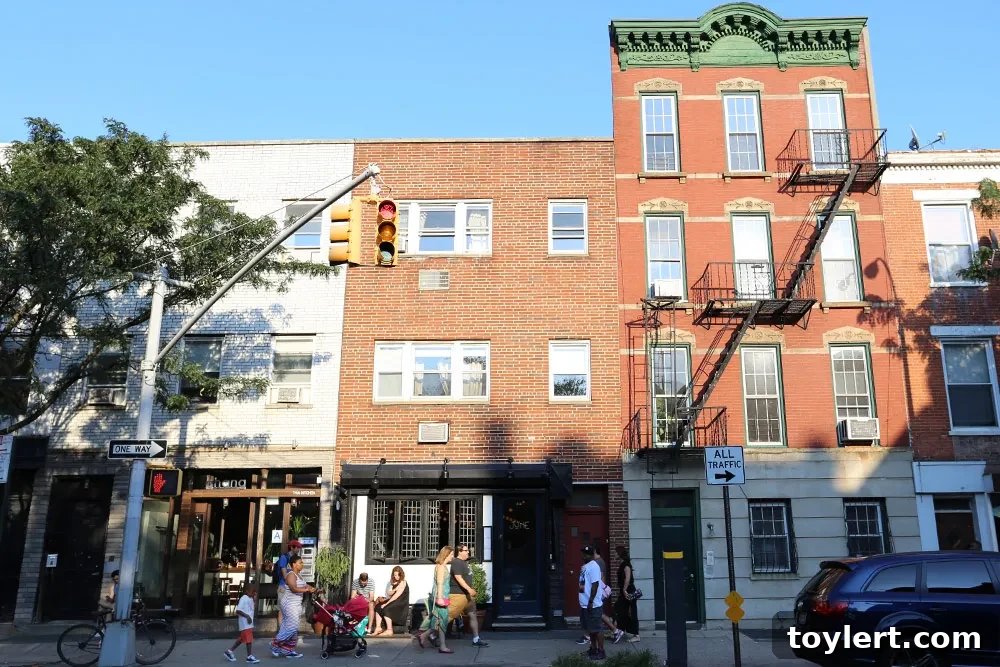
The streets of neighborhoods like Cobble Hill, depicted in the image above, serve as a constant reminder of Brooklyn’s enduring charm and the architectural legacy that defines much of its character. Yet, beneath this timeless facade, a whirlwind of activity is underway, driven by both private investment and public advocacy, each playing a crucial role in crafting Brooklyn’s next chapter.
The Engine of Growth: New Developments and Reshaping Brooklyn’s Skyline
Brooklyn’s real estate market is a testament to its surging popularity and strategic importance within New York City. The demand for living and working spaces has spurred an impressive wave of construction, pushing the boundaries of what was once considered possible in the borough. This development boom is not just about quantity but also about creating mixed-use environments that integrate residential, commercial, and public spaces.
Fort Greene’s Vertical Ascent: The Iconic 250 Ashland Place
One of the most striking examples of Brooklyn’s vertical expansion is the topping out of a 52-story, 586-unit mixed-use tower at 250 Ashland Place in Fort Greene. This significant project underscores a broader trend towards high-density urban living, transforming areas adjacent to major transportation hubs and cultural institutions. Fort Greene, already a vibrant cultural epicenter with institutions like the Brooklyn Academy of Music (BAM), benefits from such developments by adding a substantial influx of residents and contributing to the area’s economic vitality. Mixed-use towers are designed not merely as residences but as self-contained ecosystems, offering retail, dining, and sometimes even public amenities, creating a dynamic urban experience for its inhabitants.
Residential Infill and Adaptive Reuse Across Neighborhoods
Beyond the high-rises, Brooklyn’s growth is also characterized by more localized residential projects and conversions that breathe new life into existing structures or fill in vacant lots:
- South Slope’s Modern Appeal: The reveal of condos at 96 16th Street in South Slope highlights the continued demand for upscale residential offerings in established neighborhoods. South Slope, known for its tranquil streets and proximity to Prospect Park, attracts those seeking a blend of community charm and modern conveniences. These developments often feature contemporary designs and amenities, catering to a diverse demographic ranging from young professionals to families.
- East Williamsburg’s Transformation: An interesting shift is seen with the permits filed for a residential conversion at 304 Boerum Street in East Williamsburg. Adaptive reuse, where industrial or commercial buildings are repurposed for residential use, is a sustainable and increasingly popular trend in Brooklyn. This approach preserves the architectural integrity of older buildings while meeting modern housing needs, often leading to unique living spaces that blend historical character with contemporary design. East Williamsburg, with its artistic roots and growing popularity, is a prime candidate for such conversions.
- Bed Stuy’s Incremental Growth: The expansion at 1004-1006 Gates Avenue in Bed Stuy signifies the organic growth occurring within the borough’s more historic residential areas. These expansions often involve adding stories or extending existing structures, subtly increasing density while largely maintaining the neighborhood’s existing streetscape. Bed Stuy, renowned for its stately brownstones and vibrant cultural scene, is experiencing a renaissance, attracting new residents while fiercely holding onto its community identity.
Collectively, these projects – from colossal towers to nuanced conversions and expansions – paint a picture of a borough actively managing intense growth, continually reinventing its urban fabric to accommodate new residents and businesses.
Safeguarding Brooklyn’s Soul: Preservation and Heritage
Amidst the flurry of development, a powerful counter-narrative of preservation and heritage protection is equally vital to Brooklyn’s identity. The borough’s unique character, defined by its historic brownstones, tree-lined streets, and distinct architectural styles, is something many residents and organizations are determined to safeguard. This involves strategic planning, community engagement, and formal recognition of historic areas.
Avery Hall Investments: Building to Protect Brownstone Brooklyn
The approach taken by developers like Avery Hall Investments, which is building to protect Brownstone Brooklyn, represents an important trend. This philosophy acknowledges that new development does not have to come at the expense of historical integrity. Instead, it advocates for contextual design, where new buildings harmonize with existing architecture, respecting height limits, material palettes, and overall aesthetic. Such an approach often involves careful engagement with community boards and preservation groups, ensuring that growth is responsible and contributes positively to the neighborhood’s character rather than eroding it. This commitment helps maintain the charm that draws people to neighborhoods like Cobble Hill and Carroll Gardens in the first place.
Prospect Heights: A New Chapter in Historic Designation
A significant step towards formal preservation was the nomination of the Prospect Heights District by the State to Historic Places Registers. This designation is more than just an honorary title; it provides a layer of protection against uncontrolled development and incentivizes the maintenance and restoration of historic properties through tax credits and grants. Prospect Heights, with its grand apartment buildings, elegant brownstones, and proximity to cultural landmarks like Prospect Park and the Brooklyn Museum, is a prime candidate for such recognition. Historic designation helps preserve the architectural and cultural narratives embedded within these streetscapes, ensuring that future generations can appreciate the unique heritage that defines Brooklyn.
Community, Culture, and Public Space: The Heartbeat of Brooklyn
Beyond bricks and mortar, Brooklyn’s true essence lies in its vibrant communities, dynamic cultural scene, and the ongoing dialogue about public spaces and safety. These elements are as crucial as any building project in shaping the borough’s identity.
Hudson Companies and the Vision for a New Library
Developer David Kramer’s Hudson Companies is making significant waves in Brooklyn, notably starting with a new library. This initiative highlights the critical role public infrastructure plays in community development. Libraries are not just repositories of books; they are community hubs, learning centers, and spaces for civic engagement. A new library project signifies an investment in education, culture, and the social fabric of a neighborhood. It demonstrates a commitment beyond purely commercial endeavors, recognizing the need for accessible public resources that enrich the lives of residents and foster a sense of collective identity.
J’ouvert Festival: Cultural Celebration Meets Public Safety
The annual J’ouvert Festival, a vibrant Caribbean pre-dawn celebration, often sparks discussions around public safety and community responsibility. The call for “political ownership” of the J’ouvert Festival by figures like Bratton underscores the complexities of managing large-scale cultural events in a dense urban environment. These discussions typically revolve around ensuring the safety of participants and residents, mitigating potential risks, and supporting the cultural significance of the event. They also highlight the tension between preserving long-standing cultural traditions and adapting them to contemporary urban challenges, requiring collaborative efforts from community organizers, city officials, and law enforcement to find balanced solutions that honor heritage while prioritizing public well-being.
Brooklyn’s Enduring Appeal: A Tapestry of Evolution
Brooklyn stands as a testament to dynamic urban evolution. It is a place where cutting-edge architectural ambition coexists with a deep reverence for history, where global investment fuels local entrepreneurship, and where diverse communities continuously shape their environment. The ongoing dialogue between developers, preservationists, and residents ensures that Brooklyn remains not just a collection of buildings, but a living, breathing entity with a distinct character and an unwavering sense of place.
From the towering structures in Fort Greene to the meticulously preserved brownstones of Prospect Heights and the vibrant cultural expressions of its diverse population, Brooklyn continues to captivate and inspire. Its future promises to be as rich and varied as its past, a continuous tapestry woven from new aspirations and timeless traditions.
(Image: Court Street in Cobble Hill | Photo: Barbara Eldredge)