Brooklyn’s Dynamic Pulse: A Snapshot of Urban Life, Community, and Resilience
Brooklyn, New York City’s most populous borough, is a vibrant mosaic of diverse neighborhoods, each with its own unique character, challenges, and charm. From the bustling streets of Williamsburg to the serene avenues of Park Slope and the resilient shores of Coney Island, life in Brooklyn is an ever-evolving narrative of innovation, community spirit, and enduring grit. This compilation offers a glimpse into the myriad experiences shaping the borough, touching upon everything from local activism and urban development quirks to the indelible impact of natural disasters and the passionate rivalries that fuel its cultural heartbeat.
Join us as we navigate a cross-section of stories that paint a vivid picture of Brooklyn’s multifaceted existence. These narratives not only highlight the daily lives of its residents but also underscore the broader themes of urban planning, community solidarity, and the continuous adaptation required to thrive in one of the world’s most iconic cities.
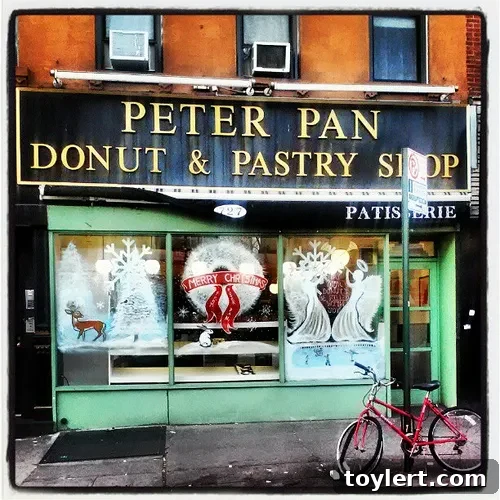
The Power of Local Voices: A Call for Community Journalism
In an age dominated by global news, the importance of hyper-local reporting remains paramount. Community blogs and independent news outlets serve as the indispensable eyes and ears of a neighborhood, capturing the nuances that often go unnoticed by larger media entities. A recent call for Bloggers Needed by FREEwilliamsburg underscores this vital need. Such initiatives are crucial for fostering civic engagement, sharing untold stories, and holding local institutions accountable. They empower residents to contribute to the ongoing narrative of their streets, parks, and meeting places, strengthening the very fabric of local democracy and ensuring that Brooklyn’s diverse voices are heard amidst the clamor of city life. Local blogging doesn’t just report the news; it actively helps to shape the community’s identity and future, offering a platform for shared experiences and collective action.
Embracing Local Economy: The Charm of Snowflake Sunday
The holiday season in Brooklyn is synonymous with community spirit and the celebration of local commerce. Events like Shop Local on Snowflake Sunday, highlighted by Park Slope Stoop, exemplify this tradition. These initiatives are more than just shopping events; they are festive gatherings that transform neighborhood streets into lively marketplaces, encouraging residents to support the small businesses that give their areas unique character. By choosing to shop local, community members directly contribute to the economic vitality of their borough, ensuring that independent shops, boutiques, and cafes can continue to thrive. Such Sundays foster a sense of togetherness, offering a delightful experience for families and individuals alike, replete with special promotions, artisan crafts, and the warm glow of neighborly connection, reinforcing the communal bonds that make Brooklyn so special.
Urban Planning Pitfalls: When Design Meets Daily Life
City living often presents a unique set of challenges, particularly when ambitious architectural designs overlook the practicalities of daily existence. A striking example emerged when Condo Tenants Were Ticketed After Architects Left No Room for Trash, as reported by DNA Info. This incident highlights a critical disconnect between theoretical design and the lived reality of residents. In a dense urban environment like New York City, proper waste management is not merely an aesthetic concern but a fundamental aspect of public health and quality of life. The lack of adequate provisions for refuse storage can lead to sanitation issues, neighborly disputes, and an unnecessary burden on tenants. This story serves as a cautionary tale, emphasizing the crucial need for integrated urban planning that prioritizes functionality and resident needs alongside architectural vision, ensuring that new developments enhance rather than hinder the urban experience for those who call them home.
Street Art and Digital Recognition: The Rambo Effect on Google Maps
Street art has long been a defining feature of New York City’s urban landscape, transforming ordinary walls into vibrant canvases of expression and social commentary. The appearance of Rambo on Google Maps, and the question of its legitimization, as explored by Curbed, marks an interesting intersection of digital technology and ephemeral urban culture. When street art, often unsanctioned and temporary, finds its way onto digital mapping platforms, it raises questions about its permanence, recognition, and status as a legitimate cultural landmark. Does digital inclusion confer a new level of acceptance or protection upon these works? This phenomenon reflects how technology is reshaping our perception of public space and art. It prompts reflection on how we categorize and value visual narratives in the urban environment, blurring the lines between graffiti, mural art, and officially recognized public installations, and showcasing the ever-evolving cultural landscape of Brooklyn.
The Great Brooklyn Pizza War: Grimaldi’s vs. Juliana’s
Few things ignite passion in New Yorkers quite like a good pizza debate, and the saga of Grimaldi’s vs. Juliana’s Pizza War, extending to the coal-oven claim, as detailed by Grub Street, is legendary. This isn’t just a rivalry between two pizzerias; it’s a deep-seated culinary battle rooted in history, tradition, and the fervent belief that one serves the definitive New York slice. The coal-oven claim is central to this dispute, as many aficionados believe it imparts a unique smoky flavor and crispy crust that is unattainable through other methods. This gastronomic feud highlights the intensity of Brooklyn’s food culture, where legacy, authenticity, and taste are fiercely defended. It’s a testament to the borough’s rich culinary heritage, where every bite tells a story and every pie is a point of pride, drawing both locals and tourists into the delicious fray.
Post-Sandy Realities: Infrastructure Vulnerability and Resilience
Hurricane Sandy left an indelible mark on New York City, exposing the vulnerabilities of its infrastructure and the resilience of its communities. The story of Whole F(l)oods: Site of Supermarket Submerged During Sandy, reported by PMFA, vividly illustrates this impact. The flooding of a potential supermarket site in Gowanus underscored the critical need for robust flood defenses and resilient urban planning, particularly in low-lying coastal areas. This incident served as a stark reminder that even everyday commercial developments must consider the increasing threats posed by climate change and extreme weather events. It spurred wider discussions about the future of development in vulnerable zones, emphasizing the importance of sustainable design, climate adaptation strategies, and community preparedness to safeguard against future disasters, ensuring that Brooklyn can rebuild stronger and safer.
Hollywood’s Footprint: Filming Disruptions in Residential Neighborhoods
Brooklyn has become a popular backdrop for film and television productions, bringing both excitement and occasional disruption to its residential areas. The concerns of Heights Residents Upset Hollywood Is Covering Nabe With Snow, Horses, chronicled by Gothamist, perfectly capture the mixed feelings often associated with such activities. While filming can inject economic vitality and bring a touch of glamour, it can also lead to temporary inconveniences like street closures, parking restrictions, and the elaborate transformation of familiar spaces. For residents, the charm of seeing their neighborhood on screen can quickly wane if daily routines are significantly impacted. This tension highlights the delicate balance between supporting the creative industries and preserving the quality of life for urban dwellers, prompting ongoing dialogues between production companies, city officials, and local communities to minimize disruption and maximize mutual benefit.
Healthcare on the Frontlines: Sandy’s Toll on Coney Island Hospital
The human toll and systemic impact of Hurricane Sandy were profoundly felt in New York City’s healthcare sector. Sandy’s KO of Coney Island Hospital Caused Overflow Across City, as documented by Sheepshead Bites, revealed the devastating cascade effect of a major hospital’s incapacitation. When a crucial medical facility like Coney Island Hospital is forced to shut down due to flooding and power loss, the entire city’s healthcare network faces immense strain. Emergency rooms in other boroughs become overwhelmed, and patients in critical need face delayed care. This incident highlighted the urgent necessity for resilient hospital infrastructure, robust emergency preparedness plans, and effective inter-hospital coordination in the face of natural disasters, ensuring that essential medical services remain accessible even during the most severe crises and protecting the health and well-being of all New Yorkers.
Conclusion: Brooklyn’s Unyielding Spirit
These stories, disparate as they may seem, collectively paint a rich picture of Brooklyn’s enduring spirit. They speak to the borough’s capacity for self-expression, its unwavering support for local enterprises, the constant negotiation between urban development and community needs, and its remarkable resilience in the face of adversity. From the passionate defense of pizza traditions to the collaborative efforts to rebuild after a superstorm, Brooklyn remains a testament to the dynamic interplay of its diverse inhabitants. It is a place where every corner holds a story, every challenge is met with innovation, and the collective pulse of its communities continues to beat strong, making it a truly iconic and ever-evolving part of the New York City experience.
Photo by *Bitch Cakes*