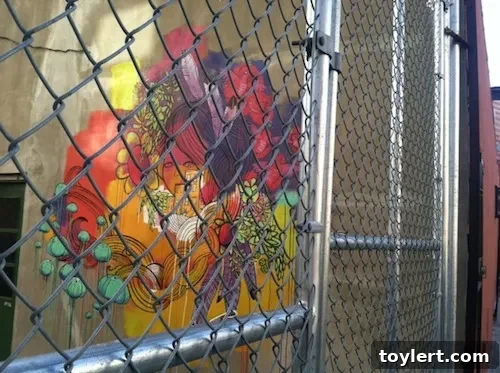
Welcome to an insightful exploration of Brooklyn, a borough perpetually in motion, where history, culture, and innovation converge. From its vibrant street art, a testament to its dynamic urban spirit, to the intricate dance of real estate development and community initiatives, Brooklyn offers a compelling narrative of urban evolution. This article delves into various facets of Brooklyn life, drawing inspiration from key updates and stories that highlight its unique character, economic shifts, and enduring appeal. We will journey through its iconic landmarks, emerging culinary scenes, critical discussions on gentrification, and grassroots efforts shaping its future, providing a comprehensive snapshot of this captivating New York City borough. Stay tuned to discover what makes Brooklyn an epicenter of urban transformation and a beacon of modern metropolitan living, continually captivating residents and visitors alike with its unparalleled charm and relentless energy.
Unveiling Brooklyn: A Tapestry of Transformation and Opportunity
Brooklyn, a borough renowned for its distinctive neighborhoods and unwavering spirit, stands as a microcosm of urban dynamism. Each street, building, and green space tells a story of change, growth, and community resilience. In this deep dive, we explore recent developments and enduring themes that define Brooklyn’s landscape, from its historical industrial sites undergoing renaissance to the critical conversations around its future trajectory. Our aim is to paint a vivid picture of a borough that skillfully balances its rich heritage with a forward-looking vision, embracing challenges and celebrating successes that resonate with its diverse population. This exploration provides valuable context for understanding the forces at play in one of New York City’s most sought-after destinations.
Urban Renaissance: From Industrial Past to Cultural Future
The transformation of Brooklyn’s industrial waterfronts into vibrant cultural and residential hubs is a testament to its innovative spirit. Among the most iconic symbols of this change is the Domino Sugar Refinery. Once a powerhouse of industry, this sprawling complex along the Williamsburg waterfront has long captivated urban explorers and preservationists. Its cavernous spaces and decaying machinery offer a poignant glimpse into Brooklyn’s manufacturing past, while simultaneously signaling a future of modern redevelopment. The extensive plans for its revitalization promise to blend historical architecture with contemporary design, creating a new destination that respects its legacy while embracing the needs of a growing community, thereby offering a fresh perspective on urban regeneration.
Inside the Domino Sugar Refinery [Untapped New York]
This project, like many others across the borough, highlights a delicate balance between preserving industrial heritage and fostering new urban environments. The Domino site is not merely about new buildings; it’s about reclaiming a significant portion of the waterfront for public use, enhancing connectivity, and contributing to Brooklyn’s evolving skyline. Such transformations underscore the borough’s commitment to sustainable urban growth and the creation of mixed-use spaces that cater to diverse populations, cementing its status as a leader in innovative urban planning. The reimagining of these industrial giants into vibrant communal spaces is a recurring narrative throughout Brooklyn, reflecting a conscious effort to blend history with modernity.
Connecting Communities: The Pulse of Brooklyn’s Subway System
Public transportation is the lifeblood of New York City, and Brooklyn’s subway system is no exception, serving as a critical artery connecting its myriad neighborhoods. The Jay Street – MetroTech station, a bustling interchange in Downtown Brooklyn, epitomizes the essential role of the subway in daily life. This station is a nexus for commuters, students, and visitors alike, facilitating access to major business districts, educational institutions, and cultural attractions. Its intricate network of lines reflects the diverse journeys undertaken by millions each day, highlighting the efficiency and challenges of urban mobility that define life in a rapidly expanding metropolis.
The Brooklyn Subway Series: Jay Street – MetroTech [Patch]
The continuous improvement and expansion of Brooklyn’s transit infrastructure are vital for supporting its growing population and economic vibrancy. From technological upgrades to accessibility enhancements, efforts are constantly underway to ensure that the subway remains a reliable and accessible mode of transport for all residents. The stories emanating from stations like Jay Street – MetroTech are not just about travel; they are about the rhythm of urban life, the daily interactions, and the constant movement that defines Brooklyn as a dynamic global hub. This infrastructure is paramount not only for daily commutes but also for integrating different parts of the borough, fostering a cohesive urban experience.
A Culinary Mecca: Williamsburg’s Enduring Appeal
Williamsburg has firmly established itself as a global epicenter for culinary innovation and trendsetting lifestyle. Its streets are a veritable feast for the senses, boasting an eclectic array of eateries, cafes, and bars that cater to every palate. The neighborhood’s reputation as a foodie paradise was once again reaffirmed when it garnered significant praise in a major New York magazine’s “Best of 2013” list, securing accolades for everything from the best pizza slices to the most satisfying breakfast spots and unforgettable burgers. This recognition underscores its pivotal role in shaping New York City’s diverse gastronomic landscape and attracting epicureans worldwide.
‘Burg Gets Lots of Love in NY Mag’s Best of 2013 List [FREEWilliamsburg]
This consistent recognition underscores Williamsburg’s position not just as a fleeting trend, but as a deeply entrenched and influential force in the culinary world. The dynamism of its restaurant scene, driven by innovative chefs and passionate entrepreneurs, continues to attract discerning diners from across the city and beyond. Beyond the food, Williamsburg embodies a particular Brooklyn aesthetic, characterized by its blend of artistic expression, entrepreneurial spirit, and a vibrant social scene that makes it an indispensable part of the borough’s cultural fabric. Its ability to continuously reinvent itself while maintaining its unique identity is a key factor in its enduring popularity and influence.
Greenpoint’s Brewing Renaissance: A Haven for Craft Beer Enthusiasts
Greenpoint, another rapidly evolving Brooklyn neighborhood, has become a significant destination for craft beer aficionados. The opening of specialized establishments like Tørst marks a new chapter in its culinary and beverage landscape, offering an expertly curated selection of beers that cater to a sophisticated palate. This trend reflects a broader appreciation for artisanal craftsmanship and local production that resonates deeply within Brooklyn’s communities, highlighting a shift towards more refined and localized consumption experiences. The dedication to quality and unique offerings has cemented Greenpoint’s reputation as a go-to spot for those seeking an elevated drinking experience.
Tørst Opens Tomorrow in Greenpoint — Beer Lovers, Get Psyched [Grub Street]
Such ventures not only enrich the local dining and nightlife scene but also contribute to the neighborhood’s unique identity. They foster a sense of community among enthusiasts and create new gathering places that reflect the diverse interests of Greenpoint’s residents. The rise of craft breweries and specialty beer bars signifies more than just a passing trend; it represents a cultural movement towards quality, provenance, and experience, solidifying Brooklyn’s status as a hub for epicurean exploration. This evolution of local businesses contributes significantly to the economic vitality and cultural richness of the area, making Greenpoint a destination for both residents and visitors.
Brooklyn’s Real Estate Realm: High Stakes and Shifting Demographics
Brooklyn’s real estate market continues to be one of the most talked-about topics, characterized by its rapid appreciation and the emergence of ultra-luxury properties. The borough has transformed into a prime destination for those seeking a blend of urban sophistication and neighborhood charm, driving property values to unprecedented heights. Mapping the priciest townhouses on the market reveals not just the financial scale of these transactions, but also the desirability of certain neighborhoods that command top dollar for their unique offerings and strategic locations. This trend reflects a broader narrative of Brooklyn’s ascendancy as a premier residential option within the greater New York metropolitan area.
Mapping the Priciest Brooklyn Townhouses on the Market Now [Curbed]
These luxury listings are often situated in historic districts or areas with exceptional amenities, offering buyers a slice of classic Brooklyn elegance fused with modern comforts. The consistent demand for high-end homes underscores the borough’s status as a premier residential choice within New York City, attracting both established families and affluent newcomers seeking a vibrant urban lifestyle without sacrificing space or tranquility. Understanding these trends is crucial for grasping the broader economic forces at play in Brooklyn’s ongoing evolution, as well as the changing demographics that are reshaping its communities.
Further exemplifying the pinnacle of luxury living in Brooklyn is the re-listing of a triplex penthouse at One Brooklyn Bridge Park. Priced at $5.5 million, this exquisite residence offers unparalleled views and amenities, situated within one of Brooklyn’s most coveted addresses. Properties like this set the benchmark for high-end urban living, providing residents with an exclusive lifestyle that includes direct access to expansive waterfront parks, world-class facilities, and breathtaking panoramas of the Manhattan skyline. Such offerings illustrate the premium placed on location, views, and bespoke living experiences in Brooklyn’s competitive market.
One Brooklyn Bridge Park Triplex Penthouse Back on the Market: $5.5M [BHB]
The reappearance of such a distinguished property on the market is always a significant event, drawing attention to the sustained allure of Brooklyn Heights and its immediate surroundings. It reflects a robust demand for spacious, well-appointed homes in prime locations, where luxury meets convenience and natural beauty. These high-value transactions contribute to the narrative of Brooklyn as a borough that offers diverse living options, from charming brownstones to spectacular modern penthouses, catering to a wide spectrum of affluent buyers. The continuous movement of such high-profile properties showcases the dynamic and liquid nature of Brooklyn’s luxury real estate sector.
Navigating Change: Brooklyn’s Gentrification Through a Cinematic Lens
The process of gentrification in Brooklyn is a multifaceted phenomenon that continues to spark vigorous debate and introspection. It represents a complex interplay of economic development, cultural shifts, and social displacement, impacting neighborhoods in profound ways. Two new films offering different perspectives on Brooklyn’s gentrification underscore the timely and sensitive nature of this issue. These cinematic explorations provide valuable insights into the human stories behind urban change, capturing the struggles and adaptations of long-time residents and new arrivals alike, offering a compelling narrative that goes beyond statistics.
Looking at Brooklyn’s Gentrification Through Two New Films [Curbed]
By examining gentrification through film, we gain a deeper understanding of its visual, social, and emotional landscape. These narratives often highlight the tension between progress and preservation, affordability and luxury, and the evolving identity of Brooklyn’s diverse communities. Such artistic interpretations are crucial for fostering dialogue and critical thinking about the future direction of urban development and ensuring that growth is inclusive and equitable for all residents. They provide a platform for voices often unheard in urban planning discussions, enriching the public discourse on what constitutes sustainable and fair development.
Cultivating Community: Green Spaces and Environmental Responsibility
Community engagement remains a cornerstone of Brooklyn’s identity, manifesting in various forms, including the ambitious creation of urban green spaces. The prospect of transforming a vacant lot behind the Church Avenue Station into a community garden in Ditmas Park exemplifies this commitment. Such initiatives are driven by local residents eager to reclaim underutilized urban spaces, converting them into vibrant hubs for gardening, relaxation, and social interaction. This grassroots movement highlights the power of collective action in improving local environments and fostering stronger neighborhood bonds.
Vacant Lot Behind Church Ave Station May Become Community Garden [DPC]
These gardens not only enhance the aesthetic appeal of neighborhoods but also provide essential ecological benefits, such as improving air quality and supporting local biodiversity. More importantly, they foster a strong sense of community ownership and collaboration, allowing residents to collectively shape their immediate environment. These grassroots efforts are a powerful reminder of how individual dedication can lead to significant positive changes within the urban fabric, promoting sustainability and well-being for all who live there. They represent a tangible way for residents to invest in and improve their shared public spaces.
However, urban development in Brooklyn is not without its environmental considerations. The opening of a new Whole Foods store in Gowanus brings into focus the complex relationship between commercial expansion and environmental stewardship, particularly given its proximity to the polluted waters of the Gowanus Canal. This situation highlights the ongoing challenges of developing in historically industrial areas that bear the legacy of environmental contamination, requiring careful planning and substantial remediation efforts.
Whole Foods Store Is Mighty Close to Polluted Waters of the Canal [PMFA]
The Gowanus Canal, a Superfund site, represents a significant environmental remediation project. The presence of new commercial establishments in its vicinity raises important questions about responsible development, public health, and the long-term commitment to ecological restoration. It underscores the necessity for developers and urban planners to prioritize environmental impact assessments and integrate sustainable practices into all aspects of construction, ensuring that economic growth does not compromise the ecological health of the borough. This delicate balance between progress and preservation remains a critical aspect of Brooklyn’s ongoing narrative.
Brooklyn’s Enduring Allure: A Forward-Looking Perspective
Brooklyn remains a borough of endless discovery and constant evolution, a place where diverse narratives converge to form a rich and complex urban tapestry. From the architectural marvels emerging on its waterfront to the intimate community gardens flourishing in its heart, and from its internationally acclaimed culinary scene to the profound discussions on its social dynamics, Brooklyn continues to define what it means to be a modern metropolitan hub. Its capacity for reinvention, coupled with a deep reverence for its historical roots, positions Brooklyn as a fascinating subject of study and an exhilarating place to live and explore. As it continues its journey of transformation, Brooklyn’s vibrant spirit and unwavering appeal ensure its place as one of the most dynamic and influential boroughs in New York City, always offering something new to experience and ponder, solidifying its status as a global urban trendsetter.