Brooklyn’s Dynamic Canvas: Evolution, Community, and Urban Transformation
Brooklyn, a borough celebrated for its vibrant character and diverse communities, is in a constant state of flux. From bustling business districts to serene residential enclaves, the narrative of Brooklyn is one of continuous evolution, marked by new developments, cultural shifts, and resilient community efforts. This article delves into various facets of this transformation, exploring the economic pulse, the thriving art scene, and the critical social issues shaping the borough.
The Economic Pulse: New Openings, Closures, and Sustainable Growth
The economic landscape of Brooklyn is a fascinating tapestry woven with stories of burgeoning businesses, established institutions adapting to change, and the inevitable challenges that come with rapid urban development. Each new store opening or business closure leaves its mark, reflecting the broader economic health and shifting consumer patterns within the borough.
Windsor Terrace Welcomes New Retailer
The arrival of a major retail chain often signals a new phase of commercial activity in a neighborhood. In Windsor Terrace, the anticipation surrounding the opening of a new Walgreens pharmacy highlights the ongoing growth and demand for essential services in the area. Such developments not only provide convenience for residents but also contribute significantly to local employment and the overall vibrancy of the commercial strip. As the new Windsor Terrace Walgreens gets closer to opening and is actively hiring, it underscores a positive outlook for local job seekers and consumer access.
Brooklyn Navy Yard: A Hub for Green Manufacturing
Beyond traditional retail, Brooklyn is also a leader in sustainable development and innovation. The Brooklyn Navy Yard, once a historic naval shipbuilding facility, has undergone a remarkable transformation into a modern industrial park focused on green manufacturing and technology. Its continued evolution is exemplified by the significant investments made in its infrastructure. The Brooklyn Navy Yard’s Green Manufacturing Center getting a facelift is more than just an aesthetic upgrade; it represents a commitment to fostering environmentally conscious industries, creating future-proof jobs, and solidifying Brooklyn’s role as a pioneer in sustainable urban economic growth.
Greenpoint’s New Skateboard Haven
Amidst large-scale developments and corporate expansions, Brooklyn also nurtures niche cultures and independent ventures that define its unique character. Greenpoint, known for its eclectic charm, has welcomed a new addition catering to its youthful and artistic population. Grindpoint: Greenpoint’s New Skateboard Shop, serves as a testament to the borough’s ability to support diverse interests and foster community hubs. These local businesses are crucial for maintaining the distinct flavor of Brooklyn neighborhoods, providing spaces for connection and shared passion that extend beyond mere commerce.
The Challenges of Retail: A Park Slope Closure
However, the narrative of growth is also balanced by the realities of a competitive market and changing urban dynamics. The closure of long-standing establishments often sparks reflection on the challenges faced by local businesses. In Park Slope, the news that Terroir at 284 Fifth Avenue was Closed for Business underscored the difficulties even successful ventures can encounter. Factors such as rising rents, evolving consumer preferences, and the ever-present pressure of gentrification can make it increasingly difficult for businesses, both old and new, to thrive in Brooklyn’s fast-paced environment. These closures, while unfortunate, are a natural part of the economic cycle, constantly reshaping the borough’s retail and dining landscape.
The Art and Soul: Expressing Brooklyn’s Identity
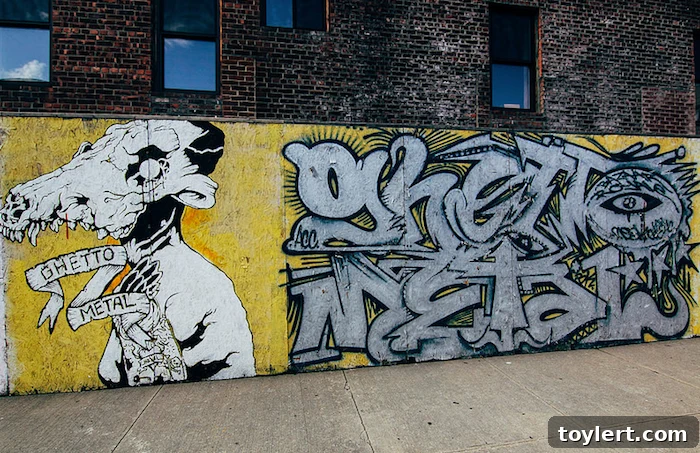
Brooklyn’s identity is inextricably linked to its vibrant artistic scene, which spills from galleries onto the streets, transforming public spaces into canvases for expression. This organic interplay between art and urban life reflects the borough’s creative spirit and its residents’ engagement with their surroundings.
Guerilla Art on the J Platform
Public transit platforms, often overlooked spaces, occasionally become stages for spontaneous artistic interventions. The showcasing of Apostrophe’s Tame Showing of Guerilla Art on the Kosciuszko J Platform is a prime example of how artists reclaim and enliven urban infrastructure. Guerilla art, by its very nature, is a powerful form of commentary—it can be playful, political, or simply a burst of unexpected beauty in the daily commute. Such ephemeral exhibitions contribute to the ever-evolving aesthetic of Brooklyn, reminding residents to look beyond the ordinary.
Documenting the Urban Fabric: Juni Safont’s Lens
The accompanying image, captured by the talented photographer Juni Safont, depicts a powerful piece of urban art, likely within Clinton Hill or a similar Brooklyn neighborhood. Safont’s work often captures the raw energy and intricate details of Brooklyn’s street life, including its diverse population and the unique expressions of its art scene. Photographs like this serve as vital documentation, preserving moments of transient beauty and the profound cultural narratives embedded within the borough’s urban fabric. They highlight the ongoing dialogue between the built environment and the creative forces that continually redefine it.
Navigating Social and Economic Shifts: Housing and Community Safety
As Brooklyn undergoes significant development, it also grapples with complex social and economic challenges, particularly concerning housing affordability and community well-being. These issues are central to maintaining the borough’s inclusive and diverse character.
The Affordable Housing Crisis
One of the most pressing issues facing Brooklyn residents is the escalating cost of living, especially housing. The alarming trend of When Affordable Rents Push $3,000 highlights a critical juncture for the borough. The term “affordable” often becomes a misnomer in a market where median rents continue to climb, pushing out long-time residents and threatening the socio-economic diversity that Brooklyn is famous for. This affordability crisis affects everything from small businesses to family stability, sparking ongoing debates about gentrification, equitable development, and the urgent need for sustainable housing solutions that genuinely cater to all income levels.
Community-Led Anti-Violence Initiatives
Amidst these economic shifts, communities in Brooklyn are actively working to address social challenges and ensure the safety and well-being of their residents. In Crown Heights, a committed Crown Heights Anti-Violence Group is looking to hire ‘Violence Interrupters’. This proactive approach to public safety is a powerful example of community empowerment, where local leaders and residents take ownership in de-escalating conflicts and fostering peace. Violence interrupters, often individuals with lived experience, play a crucial role in mediating disputes and connecting at-risk individuals with vital resources, demonstrating a compassionate and effective model for community resilience.
Conclusion: Brooklyn’s Enduring Spirit
Brooklyn remains a borough of contrasts and dynamism, a place where historic charm meets modern innovation, and where community spirit thrives amidst rapid change. From the strategic revitalization of the Brooklyn Navy Yard and the opening of new local businesses to the expressive power of street art and the critical efforts to address housing affordability and public safety, Brooklyn is continuously redefining itself. Its enduring appeal lies in its ability to adapt, innovate, and for its diverse communities to collectively shape its future, ensuring it remains a vibrant, resilient, and ever-evolving cornerstone of New York City.