Elevating Your Brownstone: The Art of Choosing Timeless Paint Colors and Finishes
Embarking on a renovation project, especially in a historic brownstone or townhouse, often brings with it a delightful challenge: selecting the perfect paint colors and finishes. The sheer volume of options, coupled with the varied opinions from every corner, can quickly transform an exciting endeavor into an overwhelming dilemma. However, for those looking to honor the architectural integrity and enhance the inherent charm of these unique homes, interior designers offer a guiding principle: classic, neutral colors and carefully considered finishes are almost always the optimal choice for creating sophisticated and enduring spaces.
The beauty of brownstones and townhouses lies in their rich history, intricate details, and often grand proportions. The right paint can serve as a canvas that highlights these features, rather than competes with them. As acclaimed interior designer Tamara Eaton succinctly puts it, “With paint colors in general, as a designer I tend to use a lot of soft whites in townhouses.” This preference stems from a deep understanding of how light interacts with architectural elements and how a serene backdrop can elevate the entire living experience.
Eaton’s expertise extends to a specific recommendation for trim: “For trim, I almost always use Chantilly Lace from Benjamin Moore as it’s a very crispy white. Then, I use that crispy white to play with a little color on the wall.” This strategy is key to creating a layered look. A crisp white trim provides a clean, sharp definition, outlining windows, doors, baseboards, and crown molding, allowing the wall color, even if subtle, to truly pop and add depth to the room. This sharp contrast enhances architectural features, making them stand out beautifully.
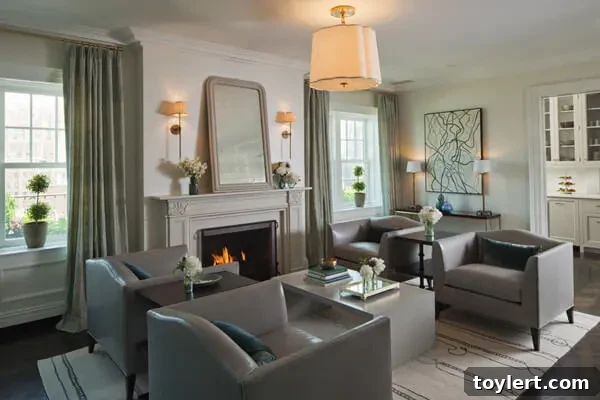
Beyond the trim, Eaton often leans towards painting the main walls in creamy whites or sophisticated off-whites. This approach generally advises against the use of overly bold colors or a heavy reliance on grays, which can sometimes feel cold or detract from the warm, inviting character typically associated with brownstones. Creamy whites bring a soft warmth, while off-whites provide a subtle depth that prevents a room from feeling sterile. These shades allow natural light to bounce beautifully, making spaces feel larger, brighter, and more welcoming.
The Undeniable Power of Neutrals in Historic Homes
The emphasis on neutral palettes for brownstones and townhouses is not merely a trend; it’s a timeless design philosophy rooted in several practical and aesthetic advantages. Neutrals, especially various shades of white, cream, and very light beige, serve as an exquisite backdrop that allows furniture, artwork, and the home’s intrinsic architectural details to shine. They create a sense of calm and continuity throughout the entire residence, which is particularly valuable in multi-story homes where maintaining a cohesive flow is essential.
Selecting the Perfect White: A Deeper Dive
The term “white” encompasses a vast spectrum of shades, each with its unique undertones and characteristics. Understanding these nuances is crucial for choosing the right white for your brownstone. Crisp whites, like Benjamin Moore’s Chantilly Lace, possess cool undertones, making them appear exceptionally clean and bright. They are ideal for trim, as Eaton suggests, or in rooms that benefit from a very fresh, gallery-like feel, often paired with contemporary furnishings or bright artworks.
Creamy whites, on the other hand, carry subtle yellow or beige undertones, lending a warm and inviting quality to a space. These are excellent choices for living rooms, bedrooms, or dining areas where a cozy and elegant atmosphere is desired. Off-whites, which might have faint hints of gray, green, or even pink, offer a more complex backdrop, adding a sophisticated layer without venturing into explicit color. They are perfect for those who find pure white too stark but still want to maintain a light and airy feel. Always consider the natural light exposure of your room when selecting a white, as it dramatically influences how the color appears throughout the day.
Beyond Color: The Critical Role of Paint Finishes
While color choice is paramount, the finish (or sheen) of your paint is equally critical, especially in a brownstone where durability and aesthetic impact are both important. The sheen dictates how light reflects off the surface, how easy it is to clean, and how durable the paint will be. Understanding the different options is key:
- Flat/Matte: This finish offers a non-reflective, soft appearance that helps hide imperfections on walls and ceilings. It’s often used in less trafficked areas or for ceilings to create a uniform, sophisticated look. However, it’s less durable and harder to clean than higher sheens.
- Eggshell/Satin: These are the most popular choices for interior walls. Eggshell has a subtle, low sheen resembling an eggshell, while satin has a slightly higher, velvety luster. Both are more durable and easier to clean than flat paint, making them suitable for living rooms, dining rooms, and bedrooms. They strike a great balance between aesthetics and practicality.
- Semi-Gloss: With a noticeable shine, semi-gloss is highly durable and very easy to clean. This makes it an excellent choice for trim, doors, window frames, kitchens, and bathrooms – areas that experience more wear and tear and require frequent cleaning. Its reflective quality can highlight architectural details beautifully.
- High-Gloss: The most reflective and durable finish, high-gloss paint offers a mirror-like shine. While less common for entire walls, it can be stunning for accent pieces, specific architectural details, or interior doors, creating a dramatic and luxurious statement. It demands perfectly smooth surfaces, as it tends to highlight every imperfection.
For brownstones, designers often recommend using an eggshell or satin finish for walls to achieve a soft, elegant look that is also practical, and a semi-gloss or high-gloss for trim and doors, consistent with Tamara Eaton’s advice for a “crispy white” trim that offers both visual appeal and resilience.
Introducing Subtle Hues: When a Hint of Color is Desired
While the focus remains on neutrals, the notion of “playing with a little color on the wall” opens the door to incorporating subtle hues that complement the brownstone aesthetic without overpowering it. When introducing color, think muted, desaturated tones that echo nature or classic palettes.
- Soft Grays: If considering gray, opt for warm grays with beige or green undertones rather than cool, stark grays. These can provide a sophisticated, contemporary feel while still maintaining warmth.
- Muted Blues and Greens: Very light, desaturated blues (think sky blue or dusty blue) or soft greens (like sage or celadon) can bring a sense of tranquility and freshness to a room. These colors are particularly effective in bedrooms, bathrooms, or spaces with abundant natural light, creating a serene and inviting atmosphere.
- Warm Beiges and Greiges: These offer a step away from pure white while maintaining a strong neutral foundation. Greige (a blend of gray and beige) is incredibly versatile and can adapt to various lighting conditions and decor styles, providing warmth without being too yellow or too cold.
The key is restraint. These colors should act as subtle enhancements, allowing the architectural grandeur of the brownstone to remain the focal point. They should harmonize with the overall aesthetic, not dominate it.
The Indispensable Role of Light and Sampling
The single most important factor influencing how a paint color will look in your home is light – both natural and artificial. A color can appear dramatically different depending on the direction your windows face (north, south, east, west), the time of day, and the type of artificial lighting you use. North-facing rooms often receive cooler, indirect light, making colors appear more muted. South-facing rooms typically have warmer, brighter light, which can intensify colors.
Therefore, never commit to a paint color without sampling it directly on your walls. Purchase small sample pots and paint large swatches (at least 2×2 feet) on several walls in the room. Observe these samples at different times of day and under various lighting conditions (daylight, evening lamps) to ensure you love the color in every scenario. This crucial step can prevent costly mistakes and ensure your chosen hue perfectly complements your brownstone’s unique ambiance.
Creating Cohesive Flow and Highlighting Architectural Details
In a brownstone or townhouse, where rooms often flow into one another, creating a cohesive paint scheme is essential for a harmonious feel. You don’t necessarily need to use the same color everywhere, but a carefully curated palette of complementary neutrals will ensure a seamless transition from room to room. Using a consistent trim color throughout, as Tamara Eaton suggests, is an excellent way to tie different spaces together, providing a unifying thread.
Furthermore, paint can be a powerful tool to accentuate the exquisite architectural details that are hallmarks of historic homes. Using a contrasting (but still complementary) color or a different sheen on molding, wainscoting, built-in bookshelves, or fireplace surrounds can draw the eye to these features, celebrating the craftsmanship and character of your brownstone. For instance, an off-white wall paired with a crisp semi-gloss white trim and a deeper, muted tone inside built-in shelving can create visual interest and highlight historical elements beautifully.
Conclusion: Crafting a Timeless Brownstone Interior
Choosing paint colors and finishes for your brownstone or townhouse is an opportunity to honor its heritage while infusing it with your personal style. By embracing the timeless elegance of classic neutrals, thoughtfully considering the impact of different sheens, and understanding how light transforms color, you can create an interior that is both sophisticated and inviting. Take inspiration from expert designers like Tamara Eaton, prioritize sampling, and trust your instincts to select a palette that will stand the test of time and enhance the unique charm of your historic home for years to come.