The Enigma of 117 Court Street: Unpacking Retail Turnover in Downtown Brooklyn
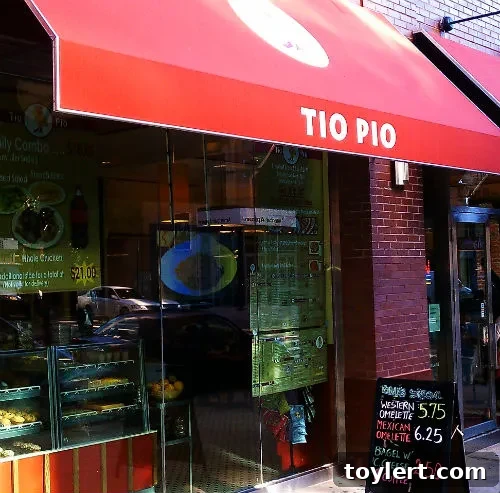
The bustling intersection of Court Street and State Street in Brooklyn is a coveted spot for any aspiring business owner, a crossroads teeming with daily foot traffic and surrounded by a vibrant residential and commercial community. Yet, at the prominent address of 117 Court Street, this prime location seems to harbor a perplexing pattern of retail instability. The storefront, once vibrant with the promise of new ventures like Tio Pio, depicted here, often finds itself undergoing rapid transitions, raising questions about the sustainability of businesses in such a desirable yet demanding commercial real estate market.
Following in the footsteps of predecessors such as Danny’s and F. Martinella’s, Tio Pio, a restaurant that had only recently opened its doors in December, became the latest subject of local speculation regarding its longevity. Whispers from the community and astute observers quickly pointed to the notoriously high rental costs as the primary culprit behind these fleeting tenures. While an update from Tio Pio’s ownership on October 24, 2011, clarified that an immediate closure was not planned, and “changes were indeed in the works,” the fundamental question remained: what truly makes businesses struggle for longevity in a seemingly ideal location, and what strategies can foster greater staying power?
A Prime Corner’s Perplexing Predicament: The High Turnover at 117 Court Street
The address 117 Court Street is more than just a physical location; it represents a microcosm of the intense challenges facing small businesses in rapidly gentrifying urban centers. For years, this prominent corner has seen a revolving door of enterprises, each arriving with enthusiasm and ambition, only to depart prematurely, leaving behind a trail of unanswered questions and a growing sense of skepticism among potential new tenants. This consistent pattern of businesses struggling to establish roots defies conventional wisdom, which suggests that high visibility and significant foot traffic should naturally translate into success.
From specialized eateries like F. Martinella’s to more general dining establishments such as Danny’s, the diversity of ventures attempting to set up shop here suggests that the issue might not lie with a specific business type, but rather with underlying systemic pressures inherent to the locale. The cumulative effect of these failures creates a narrative that overshadows the intrinsic value of the location itself, raising concerns about the feasibility of long-term retail operations for even the most innovative and well-capitalized entrepreneurs.
The Tio Pio Narrative: A Glimpse into Retail Vulnerability
Tio Pio’s relatively short stint at 117 Court Street, opening its doors in December and facing public uncertainty by the following fall, served as the latest compelling chapter in this ongoing saga. The initial excitement surrounding its launch, detailed in local publications like “Tio Pio Open” by Brownstoner, quickly gave way to concerns about its viability. The subsequent clarification from the owner, while offering a glimmer of hope that a full closure wasn’t imminent, undeniably signaled a period of instability and strategic re-evaluation for the business.
This episode, once again, reignited discussions about the formidable financial pressures exerted on businesses operating in premium urban locations. The popular theory, oft-repeated by local tipsters, community members, and even seasoned real estate observers, posited that the “rent’s too damn high” was the undeniable truth, stifling even well-intentioned culinary endeavors before they could establish a solid footing. While this explanation offers a straightforward answer, a deeper analysis reveals a more complex interplay of factors contributing to the persistent challenges faced by businesses at this particular address.
Beyond the Lease Agreement: Deconstructing the Complexities of Retail Success
While escalating commercial rents are undoubtedly a significant and often prohibitive hurdle for many small and independent businesses across New York City, it would be an oversimplification to attribute the consistent struggles at 117 Court Street solely to lease agreements. The retail landscape is a multifaceted ecosystem where numerous variables intertwine to determine success or failure. Understanding these additional factors is crucial for any entrepreneur contemplating a venture in a high-stakes urban environment.
Several key elements, often overlooked in the immediate assessment of a business’s closure, play a critical role:
- Market Saturation and Intense Competition: Court Street is a vibrant commercial corridor, teeming with established eateries, boutique shops, and national chains. A new entrant must differentiate itself significantly, offering a unique value proposition that stands out amidst a crowded marketplace. Without a clear competitive edge, even a well-funded business can quickly get lost in the shuffle.
- Business Model and Concept Viability: Is the concept truly unique, appealing to the local demographic, and sustainable in the long run? A mismatch between a business’s offering and the neighborhood’s specific needs and preferences can be fatal. For instance, a high-end restaurant might struggle in an area primarily seeking casual dining, or vice-versa.
- Operational Efficiency and Management Acumen: Even with a great concept and a potentially reasonable rent (relative to the market), poor management, inefficient operations, inadequate staffing, or a lack of marketing prowess can undermine a business quickly. The day-to-day execution, from inventory management to customer service, is paramount.
- Economic Climate and Consumer Spending Habits: The broader economic environment and local spending patterns play a crucial role. A downturn in the economy, shifts in consumer discretionary spending, or evolving lifestyle trends can severely impact businesses, particularly those in the hospitality and retail sectors.
- Brand Building and Effective Marketing: In a crowded urban market, visibility and a strong brand identity are paramount. Relying solely on foot traffic without robust digital and local marketing strategies can lead to obscurity, making it difficult to build a loyal customer base and achieve sustained growth.
Cultivating Longevity: What Does It Take to Thrive on Court Street?
Given the chronic challenges, the pertinent question for aspiring entrepreneurs and community stakeholders alike is: what kind of business truly possesses the staying power required to flourish at 117 Court Street and similar high-stakes urban locations? Successful ventures in such prime urban areas often share common characteristics: resilience, adaptability, a deep understanding of their target demographic, and a distinct, compelling value proposition that resonates with the local community.
To break the cycle of high turnover, future tenants at 117 Court Street might consider the following strategies for cultivating genuine longevity:
- Strategic Niche Identification: Instead of offering generic products or services, businesses that identify and cater to a specific, underserved niche—whether it’s artisanal coffee, unique international cuisine, sustainable fashion, or highly specialized services—often carve out a loyal customer base less susceptible to broader market competition.
- Deep Community Integration: Businesses that actively engage with the local community, participate in neighborhood events, source locally, and foster a sense of belonging tend to build stronger relationships and cultivate invaluable customer loyalty. Being a “neighborhood staple” goes beyond just serving; it means actively contributing to the community’s fabric.
- Unwavering Financial Foresight and Robust Planning: Beyond securing initial funding, long-term financial planning, including contingency funds for lean periods, detailed cash flow projections, and a clear understanding of break-even points, is essential. This includes realistic projections for rent, payroll, operational costs, and marketing expenses, ensuring a sustainable runway.
- Exceptional Customer Experience as a Differentiator: In an era of abundant choice, an outstanding customer experience—encompassing everything from product quality and ambiance to staff attentiveness and post-purchase support—is a non-negotiable differentiator. Positive word-of-mouth remains one of the most powerful and cost-effective marketing tools.
- Innovation and Continuous Adaptability: The retail and service landscape is constantly evolving. Businesses that can innovate their offerings, adapt to changing consumer tastes, embrace new technologies (like online ordering or loyalty programs), and remain flexible in their operations are better positioned for sustained success than those that rigidly stick to outdated models.
The Neighborhood Lens: Court Street’s Identity and Expectations
Court Street in Downtown Brooklyn is an eclectic blend of historic brownstones, modern residential developments, legal offices, and a vibrant residential population. It attracts a diverse clientele, from daily commuters and office workers seeking convenience to local residents seeking quality goods and services that enhance their lifestyle. The specific corner of Court Street and State Street benefits from particularly significant foot traffic, offering excellent visibility and exposure.
However, this high visibility comes with increased expectations from a discerning urban demographic, which values authenticity, quality, community connection, and often, a unique local flavor. Any business hoping to establish deep roots here must not only contend with financial pressures but also genuinely resonate with the neighborhood’s unique character and cater to its specific needs and aspirations. A cookie-cutter approach is unlikely to succeed where genuine local appeal and tailored offerings are highly valued.
Charting a Course for Stability: A Call to Action for 117 Court Street
The saga of 117 Court Street serves as a poignant reminder of the intricate dance between entrepreneurial aspiration and economic reality in prime urban retail locations. It is a space ripe with immense potential, yet historically fraught with persistent challenges. The frequent turnover not only impacts the individual businesses but also creates a sense of instability for the surrounding community, which desires vibrant, long-lasting establishments.
For the next entrepreneur who dares to dream of setting up shop at this iconic address, the lessons from Tio Pio, Danny’s, and F. Martinella’s are invaluable. Success will hinge not merely on a fantastic product or service, but on a holistic strategy that accounts for complex market dynamics, financial realities (including navigating high rents with shrewd business planning), deep community integration, and an unwavering commitment to innovation and adaptability. Perhaps a long-term vision, potentially supported by creative lease structures or community-backed initiatives that prioritize stability over short-term gains, could finally unlock the enduring potential of this iconic Brooklyn corner. The community eagerly awaits a tenant with the vision and resilience to break the cycle and truly thrive, becoming a cherished, lasting fixture at 117 Court Street.
More information on Tio Pio’s opening can be found here: Tio Pio Open [Brownstoner] GMAP