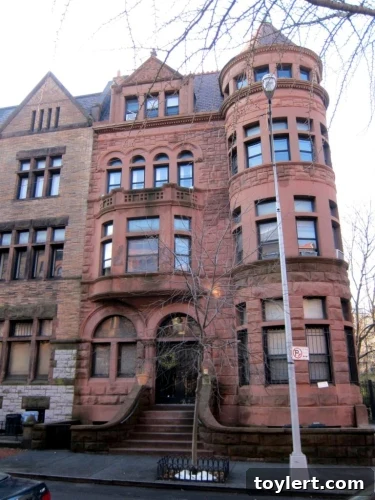
The Enduring Elegance of the Former James H. Remington House: A Brooklyn Brownstone Gem
Brooklyn: Preserving Architectural Heritage, One Iconic Building at a Time.
Nestled among the charming, tree-lined streets that define Brooklyn’s unique character, the Former James H. Remington House stands as a magnificent testament to an era of unparalleled craftsmanship and enduring architectural beauty. Located on the coveted Carroll Street, this distinguished brownstone is more than just a residence; it is a historical artifact, a beacon of Victorian grandeur that tells a story of urban sophistication and timeless appeal. Its stately facade, adorned with intricate detailing, captures the essence of historic Brooklyn living, inviting admiration from all who pass by and solidifying its place as a cherished gem within the borough’s rich architectural tapestry.
A Glimpse into History: The Legacy of James H. Remington and Brooklyn’s Golden Age
The appellation “Former James H. Remington House” immediately piques curiosity, hinting at a connection to a significant figure from Brooklyn’s vibrant past. While specific historical documentation about James H. Remington might require deeper archival research, the naming of such a prominent residence after an individual suggests he was likely a notable personage—perhaps a prosperous merchant, a respected professional, or an influential entrepreneur who played a role in the borough’s burgeoning development during the late 19th or early 20th century. This period marked a transformative era for Brooklyn, as it evolved from a collection of independent towns into a thriving urban center, attracting families seeking to establish roots and build legacies in its rapidly expanding communities.
It was during these decades that the iconic brownstones, which now line so many of Brooklyn’s picturesque streets, were meticulously constructed. These homes were more than mere dwellings; they were statements of aspiration and prosperity, reflecting the social and economic fabric of their time. The Remington House, therefore, embodies a significant chapter in Brooklyn’s history, offering invaluable insights into the lives and tastes of those who shaped its early identity. Families like the Remingtons often commissioned skilled architects and builders to create residences that were not only functional and comfortable but also showcased a distinct sense of status and refined taste. The enduring quality of the materials used, coupled with the sophisticated design elements still evident today, speaks volumes about the investment and pride associated with homeownership in that bygone era. This profound legacy of thoughtful construction and personal connection continues to resonate, captivating those who appreciate and actively seek to preserve these irreplaceable pieces of Brooklyn’s architectural heritage.
Architectural Grandeur: The Quintessential Brooklyn Brownstone Aesthetic
The Former James H. Remington House perfectly encapsulates the classic Brooklyn brownstone aesthetic, a style that has become inextricably linked with the borough’s identity and charm. Typically constructed between the 1860s and early 1900s, these distinctive homes are universally recognized by their signature reddish-brown sandstone facades, which lend them their iconic name. While individual brownstones may exhibit variations leaning towards specific Victorian architectural styles—such as Italianate with its elaborate cornices and arched windows, Neo-Grec with its classical linearity, Romanesque Revival with its robust arches and rusticated stone, or the asymmetrical charm of Queen Anne—many Brooklyn brownstones beautifully blend elements from these diverse styles, resulting in truly unique and captivating designs that contribute to the rich visual tapestry of the streetscape.
Key Architectural Features of the Remington House (and similar brownstones):
- Distinctive Facade: The most striking feature is undoubtedly the brownstone front, often adorned with meticulously carved lintels and sills above and below windows. One might observe classical columns or pilasters elegantly framing the main entrance, and decorative brackets supporting an ornate cornice that defines the roofline. Bay windows, a common and cherished feature on the parlor floor, are designed to maximize natural light flow into the interior while offering delightful vantage points for observing street life.
- The Grand Stoop: A signature element of brownstones is the impressive stoop—a majestic set of stone steps that ascends gracefully to the main entrance on the parlor floor. This elevated entry serves multiple purposes: it provides a degree of privacy from the bustling street below, creates a sense of grand arrival, and allows for basement-level access beneath. The stoop itself is frequently embellished with intricate wrought-iron railings, adding another layer of quintessential Victorian elegance and craftsmanship.
- Window Design: Windows in these historic homes are typically tall, slender, and often feature original multi-pane sash windows with decorative glass transoms or detailed mullions. The rhythmic and balanced arrangement of these windows across the facade is crucial to the building’s overall aesthetic harmony and structural integrity.
- Roofline: While often less ornate than the facade, the roofline of urban rowhouses like the Remington House would typically be flat or very low-pitched, intentionally hidden behind the decorative cornice. This design choice was practical for maximizing interior space and fitting seamlessly into the continuous rowhouse pattern.
The widespread adoption of brownstone as a primary building material was both a practical and fashionable choice. Sourced from local quarries in regions like New Jersey and Connecticut, it was relatively cost-effective to transport and work with, while simultaneously offering a rich, warm hue that was highly coveted. Over centuries, these brownstone facades have developed a beautiful and unique patina, enhancing their aged charm and contributing significantly to the timeless allure and character of Brooklyn’s celebrated streetscapes.
Carroll Street: A Highly Coveted Brooklyn Address
The strategic placement of the Former James H. Remington House on Carroll Street positions it within one of Brooklyn’s most desirable and historically significant neighborhoods. Carroll Street is a beloved artery that gracefully traverses through iconic areas such as Carroll Gardens and Park Slope, both of which are globally renowned for their enchanting tree-lined blocks, breathtaking architecture, and vibrant, tightly-knit community atmospheres. These neighborhoods are celebrated not only for their inherent beauty but also for their steadfast commitment to architectural preservation, an ethos that has successfully ensured that much of their original 19th-century charm and character remain remarkably intact, offering residents a unique blend of historical resonance and contemporary urban living.
The Distinctive Lifestyle of Carroll Street:
- Strong Community Spirit: Residents along Carroll Street enjoy a palpable and strong sense of community. This spirit is actively fostered through a myriad of local events, the presence of fiercely independent shops and boutiques, and the cherished neighborhood parks and green spaces that serve as gathering points.
- Commitment to Architectural Preservation: The area benefits from stringent zoning regulations and landmark designations that are specifically designed to protect the unique and irreplaceable character of its historic architecture. This commitment ensures that magnificent homes like the Remington House are not only maintained but also celebrated for their cultural and aesthetic value.
- Exceptional Accessibility: Carroll Street boasts excellent access to a comprehensive public transportation network, offering convenient and swift connections to Manhattan and other diverse parts of Brooklyn. This makes it an ideal location for those who seek the perfect balance between urban convenience and the tranquil charm of residential living.
- Cultural Richness and Amenities: The proximity to an array of cultural institutions, a diverse culinary scene offering everything from casual eateries to fine dining, and charming independent boutiques significantly enhances the area’s appeal. This rich tapestry of amenities creates a dynamic and engaging environment for both long-term residents and curious visitors.
To reside on Carroll Street is to be an integral part of a living museum, where every meticulously preserved block narrates a piece of Brooklyn’s storied past, and every architecturally significant building contributes to a grander narrative of urban elegance and historical continuity. The enduring appeal of this location lies not solely in the aesthetic beauty of its homes but profoundly in the sophisticated lifestyle they represent: a harmonious blend of old-world charm, contemporary convenience, and a vibrant, engaged community.
Inside the Walls: A Harmonious Blend of History and Modernity
While we can only envision the original interiors of the James H. Remington House, typical Brooklyn brownstones of its distinguished era were meticulously designed with grand layouts, optimized for both opulent entertaining and comfortable family living. The parlor floor, traditionally accessed via the magnificent main stoop, would have historically featured formal living and dining rooms. These spaces were characterized by their soaring ceilings, often adorned with intricate plasterwork, ornate millwork, and impressive, often marble or carved wood, fireplaces that served as the heart of the room. The ground or garden level, conversely, might have housed a more informal kitchen, casual living areas, and critically, direct access to a private backyard garden—a highly prized and invaluable amenity in the dense urban landscape.
Today, historic brownstones like the Remington House frequently undergo thoughtful and sensitive renovations. The primary objective of these modern transformations is to respect and preserve their invaluable architectural heritage while seamlessly integrating essential contemporary amenities. Owners typically commit to meticulously restoring or preserving original details that are emblematic of the home’s period:
- Original Wood Flooring: Often wide-plank pine or oak, carefully restored to reveal its inherent beauty and character.
- Fireplace Mantels: Elaborately carved wood, elegant marble, or intricate cast iron designs, serving as focal points in major rooms.
- Pocket Doors: Functional and decorative, these doors would effortlessly glide to separate formal rooms, offering flexibility in space and privacy.
- Grand Staircases: Featuring exquisitely carved newel posts and intricate balustrades, these staircases are often central architectural statements.
- Decorative Ceiling Medallions and Crown Molding: Detailed plasterwork that adds a touch of historical grandeur and artistry to the high ceilings.
When these original features are painstakingly restored, they not only imbue the home with immense character and authenticity but also significantly enhance its intrinsic value. Modern updates, however, are also essential for contemporary living. These might include state-of-the-art gourmet kitchens equipped with high-end appliances, luxurious and spa-like bathrooms, completely updated electrical and plumbing systems for safety and efficiency, and energy-efficient windows that maintain historical aesthetics. All such contemporary integrations are undertaken with careful consideration to ensure they complement, rather than detract from, the home’s historic integrity. The ultimate outcome is a living space that truly offers the best of both worlds: the timeless elegance and narrative of the past harmoniously combined with the unparalleled comforts and conveniences of contemporary life.
The Enduring Allure of Brooklyn Brownstones: More Than Just Homes
The Former James H. Remington House, along with its countless counterparts across the borough, serves as a powerful and enduring reminder of the magnetic appeal of Brooklyn’s brownstone architecture. These homes transcend their function as mere real estate; they embody a distinctive lifestyle, represent a profound commitment to preserving history, and foster a deep connection to a vibrant and engaged community. Their unwavering popularity in the fiercely competitive New York City real estate market stems from a confluence of compelling factors that make them truly unique and highly sought-after properties.
Why Brooklyn Brownstones Remain Iconic:
- Unique Character and Individuality: Each brownstone possesses its own distinct personality and charm, frequently reflecting the specific architectural style trends prevalent during its construction period, alongside the individual tastes and aspirations of its original owners. This individuality ensures that no two brownstones are exactly alike.
- Generous Spatial Dimensions: In stark contrast to many modern apartments, brownstones offer expansive living areas thoughtfully distributed across multiple floors. This multi-level layout provides ample room for growing families, creative living arrangements, and the flexibility to accommodate diverse lifestyle needs.
- Invaluable Historical Significance: To own a brownstone is akin to owning a tangible piece of New York City’s rich history. It represents a direct contribution to the preservation of its architectural legacy and allows residents to live amidst the narratives of generations past.
- Robust Investment Value: Consistently, brownstones rank among the most coveted and valuable properties in Brooklyn. Their inherent scarcity, coupled with their enduring desirability and historic charm, ensures a steady and often significant appreciation in value over time, making them a sound long-term investment.
- Seamless Neighborhood Integration: These magnificent homes are typically nestled within well-established, meticulously maintained neighborhoods that boast a high quality of life. They offer excellent access to cherished green spaces, renowned local amenities, and cultivate a strong, palpable sense of local identity and community belonging.
The allure of residing in a Brooklyn brownstone is undeniably potent, drawing discerning residents who possess a deep appreciation for exquisite architecture, a profound sense of history, and a genuine desire for a strong connection to their local community. The Former James H. Remington House perfectly exemplifies this powerful attraction, standing proudly as a beacon of Brooklyn’s illustrious architectural past and an integral, cherished component of its dynamic present. It embodies the dream of quintessential urban living blended with historical grandeur.
Conclusion: A Respected Pillar in Brooklyn’s Architectural Narrative
The Former James H. Remington House on Carroll Street is far more than simply an address; it is a vital and distinguished chapter in Brooklyn’s expansive and rich architectural narrative. Its striking facade, imbued with historical lineage, and its prime location within one of the borough’s most coveted and picturesque neighborhoods collectively weave a compelling tale of urban development, refined aesthetic taste, and an enduring community spirit. As Brooklyn continues its dynamic evolution and growth into the future, these historic brownstones remain steadfast, serving as invaluable tangible links to the past and profoundly inspiring future generations to cherish and appreciate the profound beauty and immense significance of preserving our architectural heritage.
Through dedicated stewardship and a deep, respectful understanding of their origins, magnificent buildings like the James H. Remington House are destined to continue gracing the iconic streetscapes of Brooklyn for centuries to come. They stand as proud embodiments of the timeless elegance that renders this borough truly unique, steadfastly showcasing how “Brooklyn continues to thrive, one building at a time,” honoring its illustrious past while confidently forging its path into an exciting and prosperous future. The Remington House remains a powerful symbol of Brooklyn’s enduring legacy and its unwavering commitment to architectural excellence.