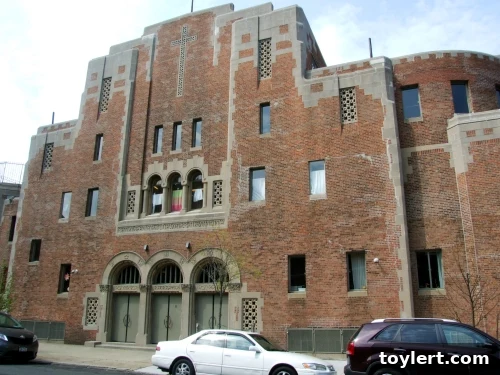
The Enduring Legacy of 11-19 Claver Place: From St. Peter Claver School to Brooklyn Waldorf School
Brooklyn is a borough defined by its compelling stories—tales whispered through its tree-lined streets, etched into the facades of its iconic brownstones, and standing proudly in its monumental public buildings. Each structure holds a piece of the city’s past, constantly evolving with the times while meticulously preserving its unique character. Among these architectural treasures, 11-19 Claver Place stands out as a particularly compelling narrative, embodying the spirit of adaptation, community, and enduring legacy that is quintessentially Brooklyn.
Once known as the esteemed St. Peter Claver School, this magnificent building has embarked on a new, vibrant chapter, now serving as the thriving home for the Brooklyn Waldorf School. This transformation is far more than just a change of signage; it represents a thoughtful continuum of education and dedicated community service, seamlessly woven into the rich fabric of a historic structure. The building’s journey from a traditional Catholic institution to a hub of holistic Waldorf education underscores Brooklyn’s dynamic capacity for renewal and its deep respect for its architectural heritage.
A Glimpse into History: The St. Peter Claver School Era
Constructed in an era when institutional buildings were designed to inspire awe and withstand the test of time, the St. Peter Claver School at 11-19 Claver Place was a foundational cornerstone of its community for many decades. While precise construction dates often require deep archival research, buildings of this grandeur and scale in Brooklyn typically emerged in the late 19th or early 20th century. This period marked an era of immense urban expansion and cultural development for the borough, with communities investing heavily in robust public and private institutions.
The architectural style of such structures often features sturdy, enduring brickwork, robust stone detailing, and an imposing yet inviting presence. These characteristics were typical of the educational and religious institutions of its time, designed to project stability and importance. The original school likely played an absolutely vital role within the local Catholic community, providing not only essential academic education but also a strong spiritual and moral foundation for generations of Brooklynites. Named after Saint Peter Claver, a Spanish Jesuit missionary renowned for his tireless ministry to enslaved Africans in Cartagena, Colombia, the school carried a powerful legacy of service, compassion, and unwavering dedication to human dignity and social justice.
Within its hallowed halls, countless students would have experienced the vibrant energy of learning and growth, forming the bedrock of their futures within its solid, inspiring walls. The building’s architecture itself, often echoing the grandeur of Gothic Revival or the earthy strength of Romanesque Revival sensibilities, would have conveyed a profound sense of permanence and educational gravitas. This aesthetic choice clearly reflected the community’s high aspirations for its youth and its commitment to providing a distinguished environment for their development. Beyond its primary function, the St. Peter Claver School was an architectural statement, meticulously designed to stand the test of time and symbolize the paramount importance of comprehensive learning.
The Dawn of a New Chapter: The Brooklyn Waldorf School
In a powerful testament to the inherent versatility and enduring charm of historic architecture, the former St. Peter Claver School has gracefully embraced a renewed purpose as the thriving Brooklyn Waldorf School. This thoughtful transition marks a truly significant moment, harmoniously marrying the building’s profound historical integrity with a contemporary, holistic approach to education. The Waldorf philosophy, originally founded by the visionary Rudolf Steiner, is distinctive in its emphasis on the comprehensive development of the whole child—nurturing the head (intellect), heart (emotions and empathy), and hands (practical skills and creativity). This is achieved through an arts-integrated, experiential curriculum that actively fosters creativity, encourages critical thinking, and instills a strong sense of social responsibility.
The building at Claver Place, with its robust original construction, generous ceiling heights, and expansive spaces, provides an absolutely ideal and inspiring setting for Waldorf education. The existing architecture, characterized by its warm, inviting brickwork and classic, timeless lines, offers an intrinsic sense of stability and historical permanence. This beautifully resonates with the Waldorf educational philosophy’s strong emphasis on enduring values and the creation of a deeply nurturing, secure environment. One can easily envision sun-drenched art studios, where creativity flourishes, music rooms where harmonious melodies echo through lofty ceilings, and classrooms thoughtfully designed to inspire profound wonder and hands-on exploration. All of these activities unfold within a structure already imbued with decades of rich educational history. This intelligent adaptive reuse not only breathes invigorating new life into a cherished local landmark but also ensures its continued relevance as a vibrant center for profound learning and meaningful community engagement.
The Brooklyn Waldorf School has not merely occupied a building; it has wholeheartedly embraced and honored its legacy. By consciously choosing this historically significant location, the school vividly demonstrates a deep-seated commitment to rooting its modern educational mission within the rich cultural tapestry and diverse community spirit of Brooklyn. It proudly stands as a beacon for alternative education, offering a unique and deeply enriching pedagogical path for families in search of a distinct kind of learning experience for their children, all while actively contributing to the vibrant and ever-evolving educational landscape of the borough.
Architectural Grandeur on Claver Place
The distinguished building at 11-19 Claver Place serves as an exemplary specimen of Brooklyn’s rich institutional architecture. While specific details regarding its original architect might require more in-depth archival research, the building’s design unequivocally speaks volumes about the meticulous craftsmanship and refined aesthetic values prevalent during its construction period. Its commanding facade is typically characterized by exceptionally laid brickwork, often in rich, deep red or warm, earthy tones, meticulously punctuated by thoughtfully designed and symmetrically arranged window openings. Arched windows are a particularly common and elegant feature in such historic structures, frequently adorned with decorative stone keystones or intricate brick patterns, which collectively add layers of sophistication and captivating visual interest.
The main entryway would have been, and often remains, grand and inviting, serving as a welcoming portal. It might feature sturdy, beautifully crafted wooden doors, often complemented by elegant transom windows above, and elaborate stone or terra cotta detailing, hinting at the building’s original prestige. The overall impression conveyed is one of immense solidity, inherent dignity, and a timeless aesthetic that effortlessly blends and harmonizes with the surrounding historic residential architecture that defines the charming neighborhoods of Clinton Hill and Fort Greene. These areas are justly famed for their exceptionally well-preserved 19th-century townhouses and stately institutional buildings, thus making 11-19 Claver Place a perfectly fitting and significant addition to their acclaimed architectural narrative.
Additional features such as ornate cornices that cap the building, decorative parapets along the roofline, and possibly a robust, raised basement or a distinctly pitched roof further contribute to its imposing and graceful silhouette. These architectural elements are not merely decorative; they meticulously tell a captivating story of prevailing architectural trends, innovative construction techniques, and the grand aspirations of a burgeoning urban center during a pivotal period of growth. The building at 11-19 Claver Place doesn’t just physically occupy space; it actively defines it, anchoring a prominent corner of Claver Place with its undeniable historical weight, profound aesthetic appeal, and enduring community presence.
Adaptive Reuse: A Brooklyn Story of Preservation and Progress
The remarkable transformation of 11-19 Claver Place from the revered St. Peter Claver School to the dynamic Brooklyn Waldorf School is an outstanding prime example of adaptive reuse. This sustainable practice is gaining increasingly critical importance in contemporary urban planning strategies and heritage preservation efforts across the globe. Adaptive reuse fundamentally involves the imaginative repurposing of existing buildings for entirely new functions, rather than resorting to their demolition and the costly construction of entirely new structures. This progressive approach offers a myriad of profound benefits: it meticulously preserves invaluable historical character, significantly reduces construction waste, and very often results in the creation of unique, character-filled spaces that modern new builds simply cannot replicate in terms of depth and authenticity.
Brooklyn, with its unparalleled wealth of historic structures spanning centuries, has rightfully become a vibrant hotbed for innovative adaptive reuse projects. From colossal former factories ingeniously converted into luxury residential lofts and creative workspaces, to magnificent old churches reverently transformed into bustling community centers or captivating performance venues, the borough consistently demonstrates how its rich, layered past can profoundly inform and immeasurably enrich its vibrant future. The Claver Place building perfectly illustrates this powerful trend. Its thoughtful conversion ensures that a significant and beloved piece of local heritage is not only saved from potential obsolescence but also continues to serve a meaningful and vital public function, thereby contributing immensely to the ongoing educational and cultural vibrancy of the broader community.
This practice is absolutely vital for maintaining the distinct and irreplaceable identity of cherished neighborhoods like Clinton Hill and Fort Greene, which proudly boast some of Brooklyn’s most distinguished architectural heritage. By actively preserving and thoughtfully repurposing iconic buildings like 11-19 Claver Place, Brooklyn steadfastly safeguards its invaluable historical narrative, offers eminently sustainable urban solutions for future generations, and provides distinctive, evocative environments that intrinsically foster creativity, community connection, and a deep sense of belonging.
Claver Place and the Spirit of Brooklyn
Claver Place itself, nestled gracefully within the charming and deeply historic environs of Clinton Hill, serves as a captivating microcosm of Brooklyn’s enduring and magnetic appeal. This serene, tree-lined street is characteristically defined by a harmonious blend of diverse architectural styles, ranging from elegant brownstones and charming row houses to sturdy, dignified institutional buildings. Each structure contributes uniquely to a picturesque and historically rich urban landscape. Clinton Hill, alongside its esteemed neighbor Fort Greene, is widely celebrated for its meticulously preserved historic district status, its vibrant and dynamic arts scene, and its palpably strong and inclusive community spirit.
The prominent presence of the Brooklyn Waldorf School at 11-19 Claver Place powerfully reinforces the neighborhood’s enduring commitment to high-quality education and its profound, deeply ingrained appreciation for historic preservation. It seamlessly adds another enriching layer to the area’s already rich cultural tapestry, actively drawing in families and dedicated educators who inherently value both deep historical heritage and forward-thinking, progressive educational principles. These beloved neighborhoods are renowned for their excellent walkability, their flourishing independent businesses, and a palpable, undeniable sense of fierce local pride, all of which collectively contribute significantly to Brooklyn’s magnetic and undeniable draw as a premier urban destination.
The compelling story of 11-19 Claver Place is, in its very essence, the quintessential story of Brooklyn: a borough in constant, dynamic evolution, meticulously built upon a robust foundation of rich, multifaceted history. It is a narrative about profoundly honoring the past while enthusiastically embracing the future, one thoughtfully restored building, one innovative school, and one thriving, interconnected community at a time. The building stands not merely as a physical structure but as a living, breathing testament to the borough’s remarkable resilience, boundless creativity, and unwavering commitment to nurturing its diverse people and its invaluable heritage for generations to come.