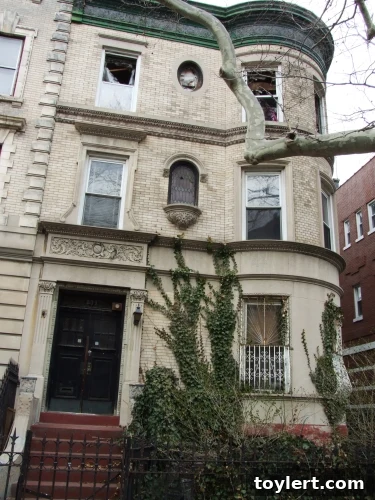
Discovering 809 Prospect Place: A Semi-Detached Jewel in Brooklyn’s Historic Tapestry
Brooklyn, a borough celebrated for its distinctive architectural heritage, presents a captivating journey through time with each structure it preserves. Among its myriad treasures, 809 Prospect Place stands out as a quintessential example of the borough’s unique charm, embodying the elegance and historical depth that define its residential streetscapes. This semi-detached house is not merely a residence; it is a testament to the enduring appeal of Brooklyn’s late 19th and early 20th-century urban development, offering a unique blend of privacy, light, and architectural grandeur.
Nestled within one of Brooklyn’s most vibrant and historically rich neighborhoods, 809 Prospect Place captures the essence of a bygone era while gracefully adapting to contemporary life. Its design reflects a period when master craftsmanship and intricate details were paramount, creating homes that were as much works of art as they were functional living spaces. The story of this building, like many of its neighbors, is woven into the broader narrative of Brooklyn’s evolution from a collection of distinct towns into a globally recognized cultural hub.
This piece delves into the distinctive characteristics of 809 Prospect Place, exploring the architectural styles that define it, its place within the historic fabric of Brooklyn, and the timeless allure of semi-detached homes in an urban setting. We invite you to explore the intricacies of this fascinating structure, appreciating the meticulous design and the enduring legacy it represents in the heart of one of New York City’s most beloved boroughs.
The Distinct Charm of a Semi-Detached Home in Brooklyn
The term “semi-detached house” describes a dwelling that shares one common wall with another house, creating a pair of residences that stand together but remain distinct. In Brooklyn, where row houses are the predominant architectural form, semi-detached homes like 809 Prospect Place offer a coveted alternative, blending the best aspects of both row house living and the privacy of a fully detached residence. This architectural style became increasingly popular in the late 19th and early 20th centuries, as urban planners sought to offer more spacious and light-filled homes for the burgeoning middle class.
One of the most significant advantages of a semi-detached property is the enhanced natural light and airflow it provides. Unlike row houses, which typically receive light only from the front and rear, a semi-detached home benefits from windows on three sides. This allows for brighter interiors, better cross-ventilation, and a more open, airy feel throughout the living spaces. For urban dwellers, this abundance of natural light is a luxurious commodity, transforming the ambiance of every room.
Furthermore, semi-detached houses often come with larger plots of land compared to their row house counterparts. This extra space can translate into wider side yards, more expansive private gardens, or even room for a private driveway, a rare and highly sought-after feature in many Brooklyn neighborhoods. The additional outdoor space not only enhances the quality of life for residents but also adds significant value to the property, creating a more secluded and personal urban oasis.
The unique positioning of a semi-detached home also contributes to greater privacy. With only one shared wall, residents experience less noise transfer from neighbors compared to a fully joined row house. This increased sense of solitude, combined with the architectural freedom that comes from having three exposed facades, allows for more varied and often more ornate exterior designs, making each semi-detached house a distinctive architectural statement on its block.
Architectural Splendor: Unpacking the Style of 809 Prospect Place
A Glimpse into Victorian-Era Grandeur
809 Prospect Place likely embodies architectural characteristics from the late Victorian era, a period known for its eclecticism and rich decorative elements. Depending on its exact construction date, it could draw from styles such as Queen Anne, Romanesque Revival, or Neo-Grec. Given its location and the prevalence of these styles in Brooklyn, one can imagine a facade rich in detail and robust in form. Queen Anne elements might manifest in asymmetrical massing, a dominant front-facing gable, and perhaps a projecting bay window or even a small turret. Romanesque Revival, on the other hand, would bring heavy masonry, round arches, and deep-set windows, creating a fortress-like yet inviting presence.
The exterior of 809 Prospect Place would undoubtedly feature a magnificent display of craftsmanship. Intricate brickwork patterns, often in contrasting colors or textures, might adorn the upper stories, while the lower levels could boast the distinctive brownstone that gave Brooklyn’s famous residences their name. Decorative terra cotta panels, carved stone details around windows and doorways, and elaborate cornices would speak to the artistic sensibilities of the era. The prominent stoop, a hallmark of Brooklyn architecture, would likely be grand and inviting, perhaps flanked by decorative newel posts and wrought-iron railings, serving as a social perch and a gateway to the home.
Beyond the immediate facade, one can envision the thoughtful design extending to the windows themselves. Large, multi-paned windows would flood the interiors with light, often topped with ornate lintels or sills. Bay windows, a common feature in semi-detached homes, would not only enhance interior space but also add a visually striking element to the exterior, creating a dynamic interplay of light and shadow. These architectural choices not only contribute to the building’s aesthetic appeal but also reflect the desire for homes that were both beautiful and functionally superior.
Craftsmanship and Enduring Materials
The construction of buildings like 809 Prospect Place relied on durable, high-quality materials designed to stand the test of time. While brownstone often steals the spotlight, many of these homes feature a sophisticated blend of materials. Beyond brownstone, sturdy brickwork—often in rich reds, browns, or even glazed finishes—would form the primary structural and visual component. These bricks were laid by skilled masons, often incorporating decorative bonds or patterns that added texture and visual interest.
The details of 809 Prospect Place would likely extend to its fenestration and roofing. Original wood windows, often tall and narrow, would be crafted from dense, resilient timber, designed for both aesthetic appeal and insulation. The roofline, depending on the specific style, could feature slate tiles, known for their longevity and elegance, or intricate tin work on cornices and decorative elements. These material choices were not merely functional; they were statements of quality and permanence, intended to convey status and ensure the building’s legacy for generations.
Inside, if one were to step through the grand entrance of 809 Prospect Place, they would likely be met with a similar commitment to craftsmanship. High ceilings, intricate plasterwork, original hardwood floors, and exquisitely carved wooden newel posts and stair railings would greet visitors. Elaborate fireplace mantels, often featuring a combination of wood, tile, and marble, would serve as focal points in parlors and living rooms. Stained glass transoms and panels, especially in entryways or landings, would cast colorful light, adding another layer of artistry to the interior design and reflecting the period’s appreciation for decorative arts.
Prospect Place: A Neighborhood Rich in History and Community
Prospect Place itself is a street deeply embedded in the historical and cultural fabric of Brooklyn. Spanning parts of both Crown Heights and Prospect Heights, it benefits from the unique characteristics of these esteemed neighborhoods. These areas developed rapidly in the late 19th and early 20th centuries, as Brooklyn grew into a major urban center. Wealthy merchants, professionals, and industrialists sought to build grand homes on spacious blocks, creating the picturesque streetscapes we admire today. The tree-lined avenues and rows of historic townhouses and semi-detached homes are a testament to this period of prosperity and architectural ambition.
Living on Prospect Place means being at the crossroads of Brooklyn’s finest cultural institutions and green spaces. Residents are just a stone’s throw away from the majestic Prospect Park, designed by Frederick Law Olmsted and Calvert Vaux, the same landscape architects behind Central Park. This sprawling urban oasis offers miles of walking and biking paths, serene lakes, a zoo, and countless opportunities for recreation and relaxation. The proximity to such a significant green space greatly enhances the quality of life, offering an escape from the urban hustle.
Adjacent to Prospect Park are the Brooklyn Museum and the Brooklyn Botanic Garden. The Brooklyn Museum, one of the oldest and largest art museums in the United States, houses an expansive collection spanning ancient to contemporary art. The Brooklyn Botanic Garden provides a breathtaking display of diverse flora across its 52 acres, offering seasonal beauty and educational programs. These institutions not only provide cultural enrichment but also contribute to the vibrant, intellectual atmosphere of the neighborhood, attracting a diverse and engaged community.
Beyond its grand institutions, the neighborhood surrounding 809 Prospect Place boasts a vibrant local scene. Independent boutiques, critically acclaimed restaurants, cozy cafes, and bustling farmers’ markets contribute to a rich tapestry of local life. The sense of community is strong, fostered by active block associations and a shared appreciation for the historic environment. This blend of historical grandeur, natural beauty, and modern amenities makes Prospect Place an exceptionally desirable location for those seeking an authentic Brooklyn experience.
The Enduring Appeal of Historic Brooklyn Homes
Properties like 809 Prospect Place are not merely old buildings; they are living artifacts that offer a tangible connection to Brooklyn’s past. The enduring appeal of these historic homes lies in their unparalleled character, a quality that modern construction often struggles to replicate. From the intricate detailing of their facades to the generous proportions of their interiors, these homes tell a story, inviting residents to become part of a continuing narrative. This sense of history, combined with the timeless elegance of their architecture, makes them highly coveted in the real estate market.
For many, owning a historic Brooklyn home represents a unique investment, both financially and emotionally. While they often require a commitment to maintenance and preservation, their value tends to appreciate steadily, driven by limited supply and unwavering demand. Beyond the financial aspect, these homes offer an unparalleled quality of life, characterized by spacious rooms, high ceilings, and access to vibrant, established communities. They stand as a bulwark against the uniformity of modern developments, offering individuality and a deep sense of place.
Moreover, the communities surrounding these historic homes are often well-established and tight-knit, with residents who share an appreciation for their neighborhood’s unique heritage. This creates a stable and desirable living environment, fostering a strong sense of belonging. The tree-lined streets, historic architecture, and proximity to cultural amenities combine to create a lifestyle that is both sophisticated and deeply rooted in local tradition.
The preservation efforts in Brooklyn have also played a crucial role in maintaining the appeal of these homes. Landmark designations and community advocacy ensure that the architectural integrity of these blocks is protected, preventing insensitive alterations and encouraging historically appropriate renovations. This commitment to preservation not only safeguards the aesthetic beauty of areas like Prospect Place but also reinforces the long-term value and desirability of these unique properties.
Preserving a Legacy: The Journey of a Brooklyn Semi-Detached
Owning a historic semi-detached home in Brooklyn, such as 809 Prospect Place, is a rewarding endeavor that comes with a unique set of challenges and responsibilities. The journey of preserving such a legacy involves a delicate balance between respecting its historical integrity and adapting it for modern comfort and efficiency. Many owners undertake extensive renovations to restore original details that may have been lost over time, such as intricate plasterwork, original millwork, and period appropriate fixtures, while simultaneously updating plumbing, electrical systems, and insulation to meet contemporary standards.
Maintaining the architectural accuracy of a historic facade is often a primary concern for owners. This can involve sourcing historically accurate materials for repairs, meticulously restoring brownstone or brickwork, and ensuring that any exterior modifications, like window replacements, adhere to local historic district guidelines. These efforts are crucial not only for preserving the individual beauty of the home but also for contributing to the overall aesthetic coherence of the streetscape, maintaining the charm that draws so many to Brooklyn’s historic neighborhoods.
Inside, the challenge often lies in blending modern amenities with historical elegance. Contemporary kitchens and bathrooms are typically a priority for comfort and functionality, but designers often find creative ways to integrate these updates seamlessly, using materials and styles that complement the home’s original character. The spaciousness of semi-detached homes often allows for flexible layouts, accommodating open-plan living areas while preserving formal dining rooms and parlors that reflect the home’s original grandeur.
The ongoing story of a building like 809 Prospect Place is one of continuous evolution. Each successive owner leaves their mark, contributing to its narrative while acting as a steward of its past. From its original construction in an era of burgeoning prosperity to its present-day role as a cherished family home, these buildings bear witness to generations of Brooklyn life. Their preservation is a collective act, ensuring that the architectural beauty and historical significance of these structures continue to enrich the urban landscape for centuries to come.
Conclusion: More Than Just a House, A Piece of Brooklyn’s Soul
809 Prospect Place, as a prime example of a Brooklyn semi-detached house, represents much more than just a place to live. It is a symbol of the borough’s enduring architectural legacy, a testament to the craftsmanship of a bygone era, and a vibrant component of a historic and thriving community. Its unique advantages – abundant light, greater privacy, and often larger outdoor spaces – elevate it beyond the typical urban dwelling, offering a sophisticated and comfortable lifestyle that is deeply connected to its historical roots.
The journey through the imagined details of its Victorian-era architecture, the robust materials, and the cultural richness of its Prospect Place neighborhood reveals a story of development, preservation, and timeless appeal. Homes like 809 Prospect Place are cherished not only for their inherent beauty and structural integrity but also for the stories they hold and the continuity they provide in a constantly evolving city. They are cornerstones of Brooklyn’s identity, inviting residents and admirers alike to appreciate the intricate layers of history and community that define this iconic borough.
In a world increasingly characterized by rapid change, these historic Brooklyn homes stand as pillars of permanence and character. They remind us of the value of thoughtful design, quality construction, and the preservation of urban heritage. 809 Prospect Place, therefore, is not just a building; it is a vital piece of Brooklyn’s soul, continuing to inspire and captivate those who seek to experience the authentic charm and profound history of one of America’s most beloved cities.