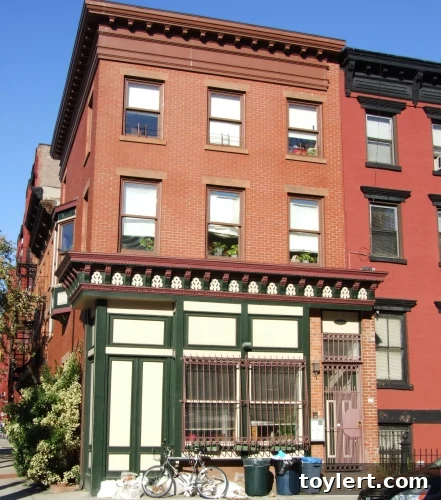
Discovering Brooklyn’s Architectural Heritage: 129 Kane Street, A Quintessential Row House
Brooklyn, a borough celebrated for its distinctive character and vibrant neighborhoods, proudly showcases its rich architectural heritage one building at a time. Among its most iconic structures are the beloved Brooklyn row houses, which line countless tree-shaded streets and evoke a timeless charm. These residential treasures tell stories of generations, urban evolution, and enduring community spirit. In this comprehensive guide, we delve into the unique allure of the classic Brooklyn row house, using the magnificent property at 129 Kane Street as a prime example of its historical significance, architectural elegance, and modern appeal. For those seeking to understand the heart of Brooklyn’s residential landscape, 129 Kane Street offers a compelling narrative.
The Enduring Legacy of Brooklyn Row Houses
The history of the Brooklyn row house is deeply intertwined with the borough’s rapid expansion in the 19th century. As New York City grew, Brooklyn emerged as a highly desirable residential alternative, made accessible by ferries and later by the iconic Brooklyn Bridge. Developers constructed rows of uniform, yet distinctly detailed, homes to accommodate the burgeoning middle and upper classes, creating the harmonious streetscapes we admire today. These homes were ingeniously designed to maximize living space on narrow city lots while providing comfortable, elegant, and private quarters for families.
Originally, many Brooklyn row houses were constructed in the prevalent architectural styles of the era, each contributing to the borough’s diverse urban fabric:
- Federal Style (Early 19th Century): Characterized by plain brick facades, discreet ornamentation, and symmetrical layouts, often with pitched roofs and dormer windows.
- Greek Revival (1830s-1850s): Distinguished by grander proportions, columned or pilastered entryways, and classical motifs, often featuring stucco or smooth brownstone finishes that mimicked cut stone.
- Italianate (1850s-1870s): Perhaps the most iconic style associated with Brooklyn, famous for its elaborate cornices, tall arched or rectangular windows, and a generous use of brownstone or brick. These homes often feature the distinctive high “stoop” leading to the parlor floor.
- Neo-Grec (1870s-1880s): A more restrained and geometric interpretation of classical styles, often incorporating incised decoration and flatter facades, providing a transition to later Victorian aesthetics.
- Queen Anne (Late 19th Century): While less common for entire uniform rows, individual houses or small clusters might feature picturesque elements like turrets, bay windows, and varied textures.
The term “brownstone” has become virtually synonymous with Brooklyn row houses, thanks to the widespread use of brown sandstone for facades, particularly during the Italianate boom. This durable material, quarried primarily in New Jersey and Connecticut, offered a distinctive warm hue and was relatively easy to carve, allowing for the elaborate decorative details that define many of Brooklyn’s most picturesque and sought-after blocks. Owning a Brooklyn brownstone is often seen as possessing a piece of New York City’s living history.
129 Kane Street: A Snapshot of Brooklyn’s Architectural Splendor
Nestled in one of Brooklyn’s most coveted historic districts, 129 Kane Street stands as a shining example of the borough’s architectural prowess. While specific historical records would provide exact construction details, we can infer much about its character from its address and the general typology of Kane Street properties. This particular Brooklyn row house was likely constructed in the mid-to-late 19th century, embodying the robust and elegant design principles of either the Italianate or Greek Revival periods—styles prevalent in highly desirable neighborhoods like Cobble Hill and Carroll Gardens, where Kane Street is prominently situated.
Exterior Elegance and Historic Details
The facade of 129 Kane Street likely presents a captivating blend of durability and artistry, meticulously preserved over generations. Imagine a stately exterior crafted from rich brownstone or perhaps a warm, finely laid brick, meticulously maintained. The exterior of this quintessential Brooklyn historic home would feature classic elements that contribute to its timeless appeal:
- The Iconic Stoop: A grand stone stairway, often flanked by elegant wrought-iron railings, leads majestically from the sidewalk to the main entrance on the parlor floor. This elevated entry provided both privacy from the street and served as a social focal point, a place for neighbors to gather and chat.
- Distinctive Windows: Tall, often gracefully arched or precisely rectangular windows with original multi-pane sash details, possibly adorned with decorative lintels, sills, or intricate window hoods. These large openings allow abundant natural light to flood the interiors, enhancing the sense of space and warmth.
- Ornate Cornice: At the roofline, an intricately carved or molded cornice, a hallmark of 19th-century craftsmanship, would crown the building, adding a touch of grandeur and architectural finish to the structure.
- Gracious Entryway: A sturdy, often paneled wooden door, possibly featuring a transom window above and elegant sidelights, warmly invites residents and guests into a welcoming vestibule, hinting at the beauty within.
These exterior details are far more than mere ornamentation; they are integral to the aesthetic and historical integrity of a Brooklyn historic home, reflecting the superior craftsmanship and refined design sensibilities of a bygone era. Preserving these intricate elements is paramount for maintaining the irreplaceable charm, character, and enduring value of properties like 129 Kane Street, ensuring they stand proudly for centuries to come.
Interiors: A Blend of History, Modern Comfort, and Customization
Stepping inside a distinguished Brooklyn row house such as 129 Kane Street often reveals a meticulously planned interior layout designed for both grandeur and practical modern living. Typically, these homes are structured vertically across multiple levels, each serving a distinct purpose:
- Garden Level: Often featuring a separate street entrance, this floor historically housed the kitchen, dining area, and sometimes a servants’ entrance. Today, it frequently transforms into a spacious, contemporary family room, an additional bedroom suite, or even a flexible income-generating rental unit. Crucially, this level usually provides direct access to a private backyard garden – a highly prized and serene amenity in urban Brooklyn, offering a tranquil escape.
- Parlor Floor: The grandest and most formal level, accessed directly via the stoop, typically boasts soaring ceilings, magnificent oversized windows, and elaborate decorative details such as intricate plaster moldings, delicate ceiling medallions, and original fireplaces with ornate marble or carved wooden mantels. This floor historically served as the primary formal living and entertaining space, ideal for hosting guests.
- Upper Floors: Dedicated to private living, these floors typically contain multiple spacious bedrooms, elegant bathrooms, and often a library, home office, or quiet study. These levels maintain the classic elegance of the parlor floor but with a more private, comfortable, and intimate ambiance. Original wide-plank hardwood floors, elegant pocket doors, and charming built-in cabinetry are common features that dedicated owners strive to restore and celebrate.
The potential for thoughtful customization and sensitive modernization within these historic shells is immense, allowing residents to infuse state-of-the-art contemporary comforts while honoring and preserving the home’s original character. Many homeowners undertake respectful renovations, seamlessly blending high-end kitchens and luxurious bathrooms with meticulously restored historic details, creating truly unique, personalized, and comfortable living spaces that bridge centuries.
Living on Kane Street: The Quintessential Brooklyn Neighborhood Experience
Kane Street is more than just an address; it represents a highly sought-after lifestyle steeped in Brooklyn’s unique charm, rich history, and vibrant community spirit. Situated within neighborhoods renowned for their historic preservation and lively local culture, residents of 129 Kane Street benefit from an unparalleled urban experience that balances tranquility with convenience.
Cobble Hill & Carroll Gardens: A Highly Desirable Locale
Often overlapping in character and undeniable appeal, the prestigious neighborhoods surrounding Kane Street—primarily Cobble Hill and Carroll Gardens—are consistently ranked among Brooklyn’s most desirable and family-friendly. These areas are distinguished by a captivating array of features:
- Tree-Lined Streets: Lush canopies of mature trees create a picturesque, serene, and almost suburban atmosphere, providing a welcome respite from the bustling energy of the city.
- Historic Streetscapes: Blocks upon blocks of beautifully preserved brownstones and brick row houses create a cohesive, visually stunning, and historically rich urban fabric that is a joy to behold.
- Strong Community Feel: A profound sense of community is fostered by local parks, engaging neighborhood events, farmers’ markets, and active residents’ associations, making it easy to connect with neighbors.
- Boutique Shopping & Dining: Independent shops, artisanal bakeries, charming cafes, gourmet food stores, and world-class restaurants line vibrant thoroughfares like Court Street and Smith Street, offering a diverse and high-quality array of amenities within easy walking distance.
- Excellent Schools: Highly-rated public and private schools make these neighborhoods particularly attractive and convenient for families with children.
- Superb Accessibility: Convenient access to multiple subway lines (F, G, A, C, R) provides quick, efficient commutes to Manhattan, Downtown Brooklyn, and other vibrant parts of the borough.
- Waterfront Access: Close proximity to the magnificent Brooklyn Bridge Park and other waterfront green spaces offers unparalleled recreational opportunities, breathtaking views of the Manhattan skyline, and numerous cultural attractions.
To own a property like 129 Kane Street in Brooklyn means embracing this rich tapestry of history, tight-knit community, and sophisticated modern urban living. It’s an investment not just in valuable real estate, but in a unique lifestyle that champions authenticity, connection, and an unparalleled quality of life.
The Enduring Appeal and Investment Value of Brooklyn Row Houses
Brooklyn row houses, particularly those meticulously preserved within established historic districts, represent some of the most sought-after and valuable real estate in New York City. Their enduring appeal is deeply multifaceted and robust:
- Scarcity and Uniqueness: These historic homes are a finite resource; their unique charm, period details, and robust construction cannot be replicated in modern developments, making them increasingly rare and valuable.
- Architectural Significance: They are living pieces of history, offering homeowners an unparalleled connection to Brooklyn’s rich past and its architectural evolution.
- Quality Construction: Built to last with enduring materials and superior craftsmanship, many original structural elements remain remarkably solid, providing a strong foundation for contemporary updates.
- Consistent Investment Appreciation: Properties in well-established and desirable Brooklyn neighborhoods, especially historic homes, have consistently demonstrated strong appreciation over many decades, making them exceptionally sound long-term investments that often outperform other real estate sectors.
- Lifestyle Premium: The undeniable desirability of living in a charming, community-oriented neighborhood within a bustling, world-class metropolis is a significant and enduring draw for residents from around the globe.
Purchasing a historic Brooklyn row house like 129 Kane Street is often viewed as more than just a transaction; it’s an opportunity for custodianship, a chance to preserve a vital piece of urban heritage while simultaneously enjoying a truly unique and sophisticated urban lifestyle. It offers the rare privilege of residing in a home that seamlessly blends historical grandeur with modern intimacy, authentic history with contemporary comfort, and urban convenience with serene neighborhood tranquility. This blend ensures their continued prominence in the New York City real estate market.
Conclusion: 129 Kane Street, A Timeless Jewel in Brooklyn’s Crown
From its stately and beautifully preserved facade to its potential for exquisite, thoughtfully renovated interiors, 129 Kane Street embodies the quintessential Brooklyn row house experience. It stands not merely as a dwelling but as a powerful symbol of the borough’s enduring legacy, its undeniable architectural beauty, and its vibrant, close-knit community spirit. These magnificent homes offer more than just shelter; they provide a profound sense of place, a tangible connection to a storied past, and a truly unique urban lifestyle that is increasingly rare, coveted, and cherished. As Brooklyn continues its dynamic evolution, its historic row houses, perfectly exemplified by the timeless charm and elegance of 129 Kane Street, remain irreplaceable jewels, anchoring the borough’s distinct identity and offering unparalleled opportunities for discerning homeowners, history enthusiasts, and savvy investors alike. Discovering 129 Kane Street is discovering the enduring soul of Brooklyn.