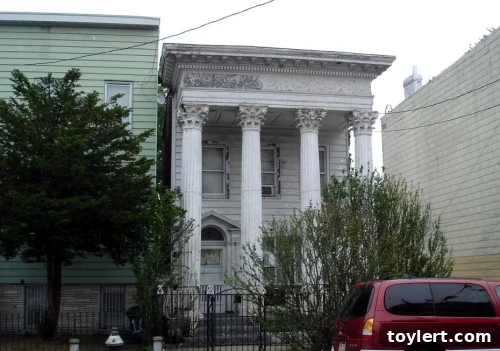
107 Pine Street: A Timeless Gem in Brooklyn’s Architectural Tapestry
Brooklyn, one building at a time – celebrating the unique history and enduring charm of its private residences.
Nestled within the vibrant landscape of Brooklyn, at the distinguished address of 107 Pine Street, lies a private residence that quietly tells a story of architectural endurance and neighborhood evolution. In a borough renowned for its iconic brownstones, elegant row houses, and diverse urban fabric, exploring individual buildings like this particular private house offers an intimate glimpse into the past and present character of its surroundings. This article delves into the unique attributes of 107 Pine Street, placing it within the broader context of Brooklyn’s captivating architectural legacy and its significance as a cherished piece of local history.
The Allure of Pine Street: Location and Neighborhood Charm
Pine Street, with its tree-lined sidewalks and harmonious blend of residential structures, is more than just a thoroughfare; it’s a window into the soul of a classic Brooklyn neighborhood. While the specific community might vary across different sections of Pine Street in Brooklyn, its general ambiance evokes a sense of historical continuity and community spirit. Properties along streets like Pine are often characterized by their meticulously maintained facades, mature gardens, and the quiet dignity that comes from decades of dedicated stewardship. This particular private house at 107 Pine Street likely resides in an area known for its strong community bonds and a reverence for its architectural past, making it a highly sought-after location for those seeking both charm and convenience.
Understanding the immediate vicinity of 107 Pine Street is crucial to appreciating its value. Many Brooklyn neighborhoods maintain distinct architectural styles and historical narratives. Whether it’s the Victorian grandeur of Ditmas Park, the Federal-style elegance of Brooklyn Heights, or the ubiquitous brownstones of Park Slope and Fort Greene, each area contributes to the borough’s kaleidoscopic architectural identity. 107 Pine Street, as a private dwelling, undoubtedly reflects the prevailing aesthetic and building practices of its era and neighborhood, offering clues about the area’s development over time.
Architectural Details: Unveiling the Character of 107 Pine Street
Without extensive historical records, pinpointing the exact architectural style of 107 Pine Street requires careful observation. However, typical private houses in Brooklyn from the late 19th and early 20th centuries often exhibit characteristics of popular styles such as:
- Queen Anne Style: Known for their asymmetry, decorative spindlework, turrets, and varied textures. These homes often feature bay windows and intricate gable ornamentation.
- Colonial Revival: Emphasizing classical details, symmetry, stately columns, and grand entrances, often inspired by American colonial architecture.
- Neo-Federal Style: A nod to the Federal period, characterized by simpler, more restrained elegance, often with red brick facades and refined detailing.
- Italianate Style: Recognizable by low-pitched roofs, wide overhanging eaves with decorative brackets, tall narrow windows, and often a prominent porch.
Judging from the provided image, 107 Pine Street appears to be a robust and well-proportioned structure, likely built with durable materials that have withstood the test of time. Key features to note would include its window configuration, the style of its entryway, the materials used for its facade (brick, stone, or clapboard), and any unique decorative elements such as cornices, lintels, or porch details. These elements collectively contribute to its individual character and place it within a specific architectural lineage. The very fact that it continues to stand as a private residence, well-maintained and appreciated, speaks volumes about its inherent quality and the care it has received.
The visual appeal of 107 Pine Street is undoubtedly a blend of its inherent design and the subsequent enhancements and preservation efforts by its owners. Such homes often feature high ceilings, original wood floors, intricate molding, and other period details that are highly coveted today. These interior characteristics, though not visible externally, are often a strong indicator of the building’s architectural integrity and historical value.
The Enduring Legacy of Brooklyn’s Private Houses
Brooklyn’s architectural identity is largely defined by its residential buildings, from its iconic brownstone rowhouses to its grand freestanding mansions. Each private house contributes a unique stitch to this intricate tapestry, representing distinct periods of growth, prosperity, and evolving design sensibilities. Homes like 107 Pine Street are not just structures; they are repositories of history, having witnessed countless generations, community changes, and the dynamic rhythm of city life.
The preservation of these historical private homes is vital for several reasons:
- Historical Narrative: They offer tangible links to Brooklyn’s past, illustrating how people lived, worked, and built their communities.
- Architectural Education: They serve as living museums of various architectural styles and building techniques that are no longer common.
- Neighborhood Character: They maintain the aesthetic and cultural integrity of historic districts, preventing homogenization and preserving local charm.
- Sustainability: Reusing and restoring existing structures is an inherently sustainable practice, reducing waste and the demand for new materials.
The commitment to preserving buildings “one building at a time” underlines a profound respect for heritage and an understanding that collective history is built from individual stories. 107 Pine Street embodies this philosophy, standing as a proud example of a Brooklyn home that has retained its character and significance through the decades.
Investment in History: Maintaining Brooklyn’s Architectural Heritage
Owning and maintaining a historic private house in Brooklyn, like 107 Pine Street, is often a labor of love and a significant investment. These homes require careful attention to detail, often involving specialized restoration techniques to preserve original features while integrating modern amenities. Homeowners of such properties become custodians of a piece of local history, contributing directly to the ongoing narrative of their neighborhood and the borough as a whole.
The value of properties like 107 Pine Street extends beyond their market price. They contribute to the desirability of an area, attracting residents and visitors who appreciate unique architecture and a sense of place. This cycle of appreciation and preservation helps to ensure that Brooklyn’s distinctive streetscapes remain vibrant and historically rich for future generations. The continuous effort to document, appreciate, and maintain these structures ensures that Brooklyn’s past is not forgotten but rather celebrated and woven into its dynamic present.
A Lasting Impression: The Legacy of 107 Pine Street
107 Pine Street, a seemingly modest private house, is in fact a crucial thread in the rich tapestry of Brooklyn’s architectural narrative. It represents not just a dwelling but a tangible piece of history, an example of enduring design, and a symbol of the continuous dedication to preserving the unique character of this beloved borough. By focusing on buildings “one at a time,” we gain a deeper appreciation for the individual stories that collectively form the grand narrative of Brooklyn’s built environment. As we walk past its dignified facade, we are reminded of the beauty and resilience embedded in every brick and window, making 107 Pine Street a truly timeless gem.