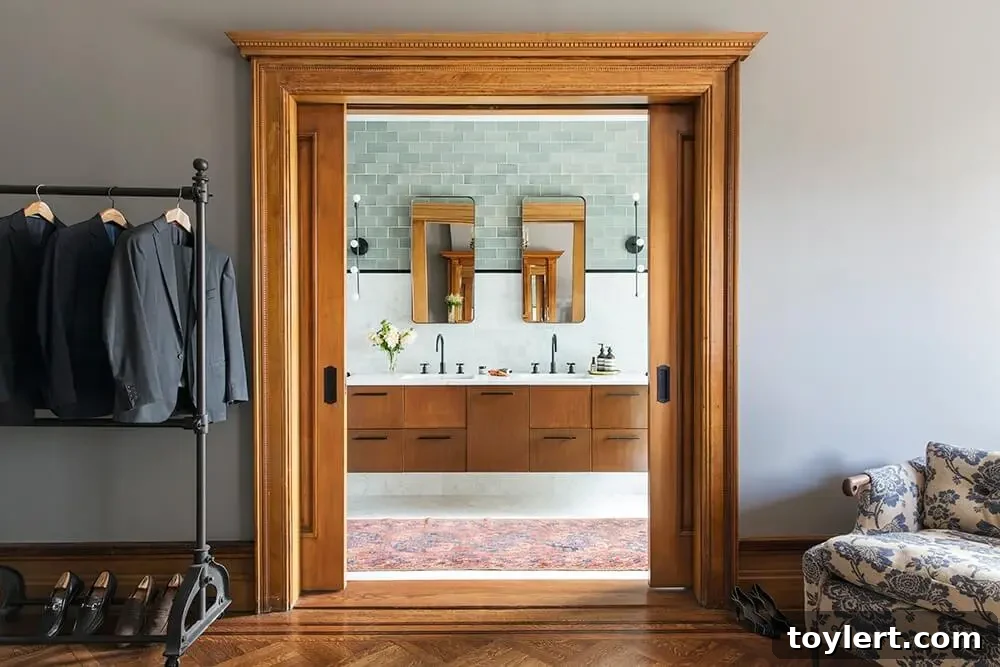
Are you dreaming of finding the perfect Brooklyn residence that truly feels like home for you and your family? In a city where space is a luxury, the traditional house hunt often presents limited options. However, there’s an increasingly popular and rewarding path to acquiring your ideal dwelling: converting a multi-unit building into a spacious, single-family home. This innovative approach significantly broadens your possibilities, allowing you to craft a living space perfectly tailored to your needs and lifestyle.
While undertaking such a transformation requires a dedicated investment of time, professional assistance, financial resources, and extensive renovations, the trade-offs are often profoundly worthwhile. Imagine gaining an expansive living area, custom-designed to your specifications, without the complexities and responsibilities of being a landlord. This guide delves into the exciting prospect of transforming a multi-unit property into your personal Brooklyn sanctuary, outlining the process, benefits, and essential considerations.
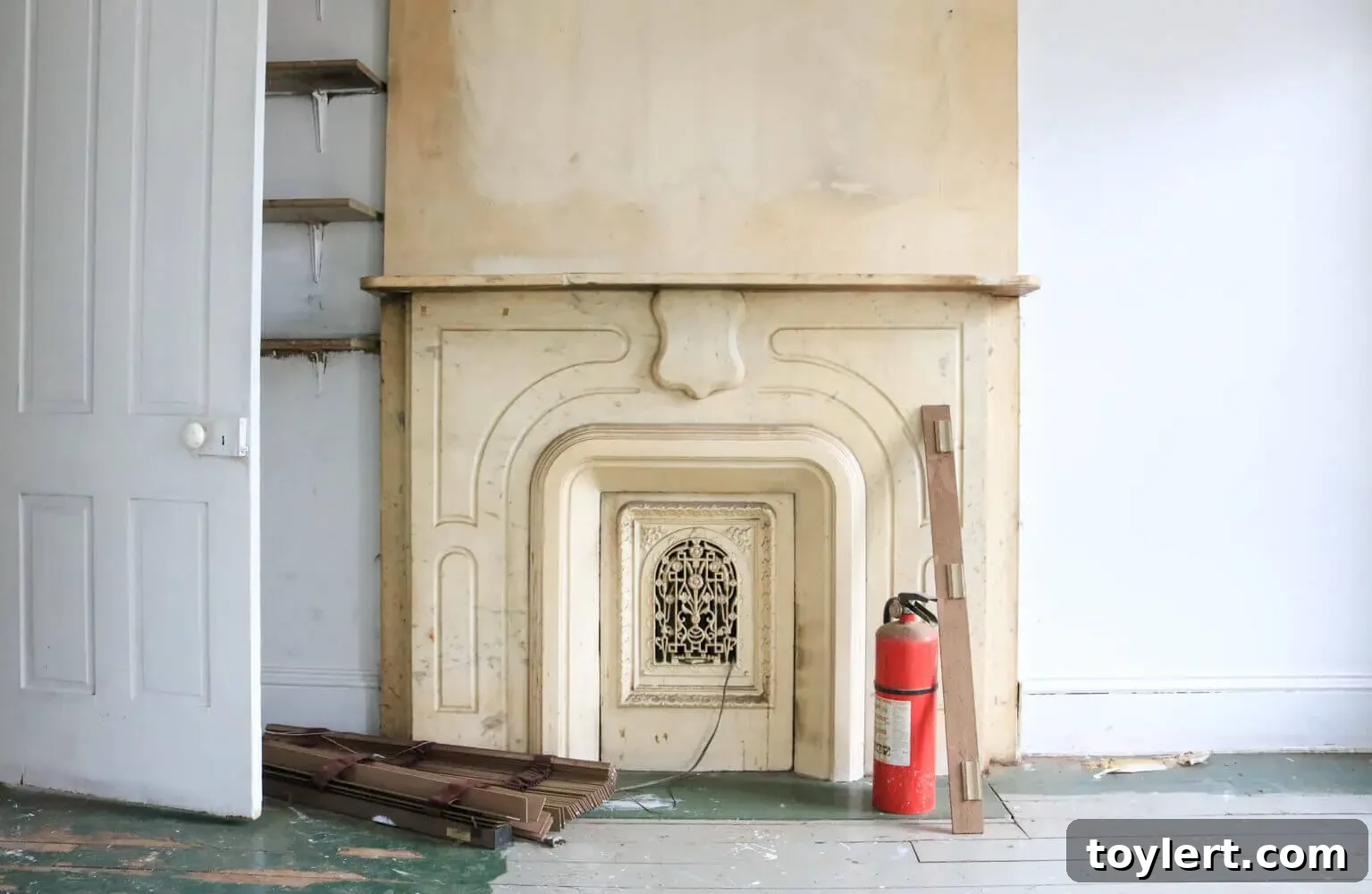
The Unparalleled Advantages of Converting a Multi-Unit Building into a Single-Family Home in Brooklyn
For many families navigating the competitive Brooklyn real estate market, the quest for ample space and privacy often leads to difficult compromises. Condominiums can feel restrictive, and standalone single-family homes are scarce and command premium prices. This is where the conversion of a multi-unit property emerges as a brilliant alternative, offering a unique blend of benefits that are hard to find elsewhere.
Why Consider a Multi-Unit to Single-Family Conversion in Brooklyn?
Brooklyn is renowned for its charming brownstones, townhouses, and diverse architectural heritage. Many of these buildings were originally designed as single-family homes or converted into multi-unit dwellings decades ago. Reversing this conversion allows homeowners to reclaim historical grandeur while infusing modern comfort and functionality. The primary appeal lies in:
- Maximized Space and Privacy: Unlike a traditional apartment or condo, a converted single-family home offers unparalleled square footage, spanning multiple floors. This translates to more bedrooms, dedicated workspaces, recreational areas, and private outdoor spaces – a true rarity in urban environments. Enjoy the luxury of not sharing walls, entrances, or common areas with neighbors.
- Ultimate Customization and Design Freedom: When you convert a building, you become the architect of your dream home. You have the liberty to design the layout, choose finishes, and integrate features that perfectly align with your family’s unique needs and aesthetic preferences. From open-concept living areas to bespoke kitchens and spa-like bathrooms, every detail can be personalized.
- Eliminating Landlord Responsibilities: One of the most significant advantages for many prospective homeowners is the freedom from landlord duties. Owning a multi-unit property typically means managing tenants, collecting rent, and handling ongoing maintenance requests. Converting it into a single-family residence removes these complexities, allowing you to fully enjoy your home without the added stress of property management.
- Long-Term Investment Value: A meticulously converted and well-maintained single-family home in a desirable Brooklyn neighborhood represents a sound long-term investment. These unique properties often appreciate significantly, offering excellent returns compared to smaller, less customizable options. The scarcity of large, private homes in prime Brooklyn areas makes converted properties highly sought after.
- Preserving Architectural Heritage: Many Brooklyn multi-unit buildings possess rich historical character and architectural details. A thoughtful conversion allows you to preserve and highlight these original elements while upgrading the property to modern standards. This not only enhances your home’s appeal but also contributes to the beauty and heritage of the neighborhood.
Navigating the Process: Understanding the Certificate of Occupancy (C of O)
The journey from a multi-unit building to a single-family home in New York City involves a critical legal step: obtaining a “Change in the Certificate of Occupancy.” The C of O is a crucial document issued by the Department of Buildings (DOB) that certifies a building’s legal use and occupancy classification. Converting a multi-unit dwelling (e.g., a two-family or multi-dwelling unit) to a single-family dwelling requires updating this certificate to reflect the new legal status of the property.
What is a Certificate of Occupancy and Why is it Essential?
The C of O serves as proof that a building complies with all applicable zoning regulations, building codes, and safety standards for its designated use. Without a proper C of O, your home may not be legally recognized as a single-family residence, which can lead to complications with financing, insurance, and future resale. The process of changing the C of O ensures that all structural, mechanical, plumbing, and electrical systems are safe and up to code for the new occupancy type.
The C of O Change Process: An Overview
Initiating a C of O change typically involves:
- Architectural Plans: An architect will design the new single-family layout, integrating all necessary structural, plumbing, electrical, and mechanical modifications. These plans must comply with all NYC building codes.
- Permit Applications: The architect or an expeditor will submit these plans to the DOB for review and approval, securing the necessary permits for the renovation work.
- Construction and Inspections: As renovations proceed, various DOB inspections (e.g., plumbing, electrical, structural, fire safety) will be conducted to ensure work aligns with approved plans and code requirements.
- Final Inspection and C of O Issuance: Once all work is completed and all necessary inspections are passed, a final inspection is scheduled. Upon successful completion, the DOB will issue the new Certificate of Occupancy, officially recognizing your property as a single-family home.
This process can be complex and time-consuming, making it imperative to work with experienced professionals who are well-versed in NYC building regulations. An experienced architect, general contractor, and expediter can significantly streamline the process and help navigate potential bureaucratic hurdles.
A Step-by-Step Guide to Your Brooklyn Conversion Project
Embarking on a multi-unit to single-family conversion is a significant undertaking, but breaking it down into manageable phases can make the journey less daunting.
Phase 1: Planning and Feasibility Assessment
Before any demolition begins, thorough planning is paramount. This initial phase involves:
- Property Search: Identify multi-unit properties in Brooklyn neighborhoods that align with your lifestyle and budget. Look for buildings with good bones, structural integrity, and potential for the desired layout changes. Consider zoning regulations and historical district restrictions.
- Budgeting and Financing: Develop a comprehensive budget that covers the property purchase, renovation costs (including demolition, structural work, MEP upgrades, and finishes), architectural and engineering fees, permit fees, and a contingency fund for unexpected expenses (typically 15-20% of the renovation cost). Explore financing options such as construction loans, which are specifically designed for properties undergoing significant renovation.
- Assembling Your Professional Team: This is perhaps the most crucial step. You’ll need:
- An Experienced Architect: Essential for design, plan creation, and navigating DOB regulations.
- A Reputable General Contractor: To oversee and execute all construction work.
- Structural Engineer: If significant structural changes are planned.
- Expeditor: A professional who specializes in permit acquisition and navigating city agencies.
- Real Estate Attorney: To assist with property acquisition and review contracts.
- Initial Design Concepts: Work with your architect to envision the new layout, considering natural light, flow, and how spaces will be utilized by your family.
Phase 2: Design Development and Permit Acquisition
Once the initial concepts are approved, your architect will develop detailed construction drawings, including floor plans, elevations, sections, and specifications for all building systems. These comprehensive plans will be submitted to the NYC Department of Buildings (DOB) for review and approval. This phase can take several months, depending on the complexity of the project and the DOB’s workload. Patience and meticulous adherence to city requirements are key.
Phase 3: The Renovation Journey
With permits in hand, construction can begin. This is often the most exciting, yet disruptive, phase. Key stages include:
- Demolition: Removal of existing interior walls, outdated fixtures, and anything preventing the new layout.
- Structural Modifications: This might involve removing load-bearing walls, adding new beams, or reinforcing existing structures to create open spaces or support new floors.
- Mechanical, Electrical, and Plumbing (MEP) Upgrades: Installing new wiring, plumbing lines, HVAC systems, and ventilation to meet modern standards and accommodate the new single-family layout.
- Framing and Rough-Ins: Constructing new interior walls and installing the “guts” of the building (electrical conduit, plumbing pipes, ductwork) before walls are closed up.
- Insulation and Drywall: Creating the interior shell of the home.
- Finishing Work: Installing flooring, cabinetry, countertops, tiling, painting, and light fixtures. This is where your design vision truly comes to life.
- Exterior Work: If applicable, this might include facade restoration, window replacement, roof repairs, or landscaping.
Phase 4: Final Inspections and C of O Issuance
As construction nears completion, your contractor will schedule final inspections with the DOB for all trades (electrical, plumbing, etc.). Once all inspections are passed and the building is deemed safe and compliant with the approved plans, the final Certificate of Occupancy for a single-family dwelling will be issued. This is the official green light to move into your newly transformed home.
Challenges and Considerations in Your Conversion Project
While the rewards are significant, it’s important to be realistic about the potential challenges:
- Cost Overruns: Unexpected structural issues, material price fluctuations, or unforeseen code requirements can lead to increased costs. A robust contingency fund is non-negotiable.
- Time Delays: Permitting processes, material lead times, labor shortages, or inspection backlogs can extend project timelines. Flexibility and patience are essential.
- Navigating NYC Regulations: New York City’s building codes and zoning laws are complex. Working with experienced local professionals is crucial to avoid costly mistakes and delays.
- Temporary Relocation: Depending on the extent of the renovation, you may need to arrange for temporary housing during certain phases of construction.
- Finding the Right Property: Not all multi-unit buildings are ideal candidates for conversion. Properties with good structural integrity, flexible layouts, and desirable locations will be your best bet.
Your Brooklyn Dream Home Awaits
Converting a multi-unit building into a single-family home in Brooklyn is more than just a renovation project; it’s an opportunity to create a bespoke living experience in one of the world’s most vibrant cities. It demands careful planning, a significant investment, and the right team of professionals. However, for those willing to undertake the journey, the result is a spacious, personalized sanctuary that offers an unparalleled quality of life and a smart long-term investment. If the thought of a custom-designed, private residence in the heart of Brooklyn excites you, exploring a multi-unit conversion might just be the perfect path to finding your forever home.