Brooklyn’s Dynamic Landscape: Connectivity, Community, and Culture Flourish
Brooklyn continues to evolve, a vibrant mosaic of neighborhoods each with its own unique character and ongoing developments. From crucial infrastructure upgrades enhancing digital connectivity to grassroots community efforts fostering greener spaces and sustainable living, the borough is a hub of activity. New businesses are opening their doors, iconic cultural landmarks are being celebrated, and residents are coming together to shape their shared future. This overview delves into some of the most compelling stories emerging from Brooklyn’s diverse districts, highlighting the spirit of innovation, collaboration, and resilience that defines this bustling urban landscape.
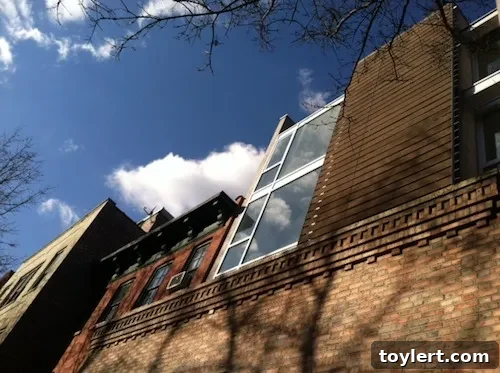
Boosting Connectivity: Fios Arrives in Carroll Gardens
For residents and businesses in Carroll Gardens, the prospect of expanded Verizon Fios service has been a long-awaited development. High-speed internet is no longer a luxury but an essential utility, vital for remote work, education, entertainment, and maintaining connections in an increasingly digital world. The arrival of Fios promises to bring fiber-optic internet directly to more homes and businesses, offering significantly faster speeds and more reliable service compared to traditional cable providers. This infrastructure upgrade is poised to close the digital divide for many, providing an invaluable boost to local productivity and quality of life.
The rollout of advanced broadband services like Fios often involves complex logistical challenges, including securing necessary permits and installing extensive fiber-optic networks. Communities frequently advocate vigorously for these upgrades, recognizing their profound impact on economic development and residential satisfaction. For Carroll Gardens, a neighborhood celebrated for its historic brownstones and thriving local commerce, enhanced connectivity is expected to further solidify its appeal. It can attract new residents and support the growth of small businesses that rely heavily on robust internet access, ensuring the area remains competitive and connected in the modern urban landscape.
Source: Pardon Me For Asking
Celebrating an Icon: Farewell to the Broken Angel Artist in Clinton Hill
Clinton Hill recently bid a poignant farewell to the owner of “Broken Angel,” an architectural marvel and renowned artistic landmark. This unique, hand-built structure, resembling a whimsical, multi-story treehouse crafted from salvaged materials, captivated imaginations and became an unofficial symbol of Brooklyn’s eclectic artistic spirit. For decades, the building stood as a testament to the boundless creativity and unconventional vision of its creator, Arthur Wood, who, along with his wife, transformed their home into a living sculpture.
The story of Broken Angel is intertwined with themes of artistic freedom, urban development, and the challenges faced by independent artists in a rapidly gentrifying city. Despite its fame and cultural significance, the building eventually faced numerous legal and financial hurdles, leading to its sale and the eventual departure of its visionary owner. The community’s response, a heartfelt block party, underscored the deep connection residents felt to the artist and his iconic creation. It served as a collective tribute, celebrating a significant piece of Brooklyn’s cultural heritage and acknowledging the changing face of Clinton Hill, a neighborhood that continues to balance its historic charm with contemporary growth.
Source: DNAinfo
Greening the Streets: Free Tree Pit Guards for Prospect Lefferts Gardens
In Prospect Lefferts Gardens, a proactive community initiative has introduced free tree pit guards, offering a practical solution to protect the neighborhood’s precious urban trees. City trees are vital to urban ecosystems, providing numerous benefits such as improved air quality, reduced stormwater runoff, cooler street temperatures, and enhanced aesthetic appeal. However, they often face significant challenges in densely populated areas, including soil compaction, waste accumulation, and damage from foot traffic or vehicles.
Tree pit guards serve as essential barriers, shielding the base of trees from urban stressors and allowing them to thrive. This initiative, driven by local residents and organizations, not only fosters a greener environment but also strengthens community bonds. By empowering residents to actively participate in the beautification and preservation of their streets, such programs cultivate a sense of civic pride and collective responsibility. Prospect Lefferts Gardens exemplifies how grassroots efforts can lead to tangible improvements in urban sustainability and livability, inspiring other neighborhoods to adopt similar tree care and greening projects for a healthier, more vibrant city.
Source: The Q at Parkside
Williamsburg’s Retail Scene Expands: Brick & Mortar Celebrates Grand Opening
Williamsburg, a perennial trendsetter in Brooklyn, recently welcomed a new addition to its vibrant retail landscape with the grand opening of Brick & Mortar. This event signals the ongoing dynamism of the neighborhood’s commercial sector, which continuously attracts innovative businesses and creative entrepreneurs. Williamsburg has long been a magnet for independent boutiques, curated lifestyle stores, and unique retail concepts that cater to its diverse and fashion-forward population.
The opening of Brick & Mortar, likely a purveyor of distinctive home goods, fashion, or artisan products, contributes to the local economy by creating jobs and offering new shopping experiences for residents and visitors alike. It underscores the enduring appeal of physical retail spaces, even in an increasingly digital age, emphasizing the importance of tactile interaction and personalized customer service. New businesses are crucial for maintaining the neighborhood’s distinctive character and ensuring a healthy mix of local and national brands. This expansion further cements Williamsburg’s reputation as a bustling commercial hub and a destination for cutting-edge trends and unique finds within Brooklyn’s expansive retail tapestry.
Source: REW-online
Sustainable Solutions: 5th Avenue BID Hosts E-Waste Recycling Event in South Slope
The 5th Avenue Business Improvement District (BID) in South Slope demonstrated its commitment to environmental stewardship by hosting an e-waste recycling event. This initiative addresses the critical issue of electronic waste, which is one of the fastest-growing waste streams globally. E-waste contains hazardous materials such as lead, mercury, and cadmium, which can pose significant risks to human health and the environment if not disposed of properly. By providing a convenient and responsible avenue for residents to recycle their old electronics, the BID offers a valuable community service.
Business Improvement Districts play a vital role beyond promoting local businesses; they often spearhead community development projects, cleanliness initiatives, and, increasingly, sustainability efforts. The e-waste recycling event not only helped divert harmful materials from landfills but also educated the community on the importance of responsible consumption and waste management. Such events foster a culture of environmental consciousness within South Slope, contributing to Brooklyn’s broader goals of creating a more sustainable and eco-friendly urban environment. These actions underscore the power of local organizations in driving positive change and providing essential services that benefit the entire community and planet.
Source: South Slope News
Fashion on the Tracks: The New York Times Explores L Train Style
The L Train, an iconic subway line connecting Manhattan to the heart of Brooklyn’s most vibrant and artistic neighborhoods, has long been recognized as a runway of unique urban style. The New York Times recently highlighted this phenomenon with a video feature exploring “L Train Fashion.” This focus underscores how public transit spaces can evolve into accidental fashion stages, reflecting the diverse and often experimental styles of the city’s inhabitants.
For many, particularly those commuting between Williamsburg and Bushwick and Manhattan, the L Train is more than just a means of transport; it’s a moving gallery of self-expression. The fashion observed on the L Train often encapsulates the distinct Brooklyn aesthetic—a blend of vintage finds, avant-garde pieces, sustainable labels, and a strong sense of individuality. This media attention from a major publication like the Times not only validates a subculture but also brings broader recognition to Brooklyn’s profound influence on contemporary fashion trends. It celebrates the spontaneous creativity that thrives within the borough, showcasing how everyday commutes contribute to the rich tapestry of urban style and cultural identity.
Source: FreeWILLIAMSBURG
Nourishing the Community: Bushwick Co-Op Brings Affordable Organic Food
Bushwick is experiencing a revolution in food access thanks to a dedicated food co-op that is making affordable organic produce from local farms available to its members. Food co-ops are community-owned and member-driven grocery stores that prioritize ethical sourcing, local partnerships, and often, healthier food options that might otherwise be out of reach for many urban residents. This initiative in Bushwick addresses a critical need, particularly in neighborhoods that may lack easy access to fresh, high-quality produce—often referred to as “food deserts.”
By connecting directly with local farms, the Bushwick Food Co-op supports regional agriculture, reduces food miles, and ensures that members receive fresh, seasonal produce at more accessible prices. Beyond the economic and health benefits, food co-ops foster a strong sense of community, encouraging member participation, shared responsibility, and a deeper understanding of the food system. This model of sustainable food distribution not only improves the nutritional well-being of the neighborhood but also strengthens local economies and promotes environmental sustainability. It’s a testament to Bushwick’s ongoing transformation, where community-led initiatives are vital in building a more equitable and healthy urban environment for all its residents.
Source: Bushwick Daily