Exploring the Dynamic Landscape of Brooklyn: Community, Culture, and Urban Evolution
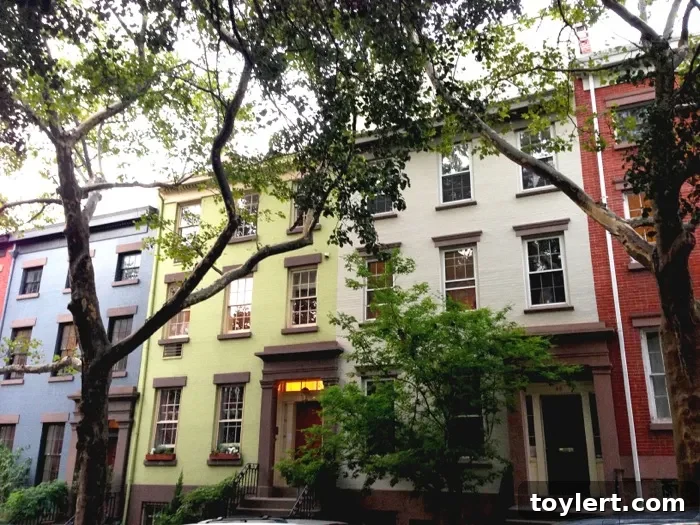
Brooklyn, New York, is a borough defined by its relentless energy, diverse communities, and a constant state of evolution. From its historic brownstones lining tree-lined streets like Joralemon Street, as perhaps depicted in the accompanying image, to its cutting-edge art scenes and bustling commercial districts, Brooklyn embodies a unique blend of old-world charm and contemporary urban dynamism. It’s a place where every street corner tells a story, and every neighborhood pulses with its own distinct rhythm. This article delves into various facets of Brooklyn life, touching upon pressing social issues, vibrant cultural events, remarkable real estate trends, and the thriving spirit of local entrepreneurship that collectively shape this iconic borough.
The narratives emerging from Brooklyn often highlight its role as a microcosm of broader urban experiences, encompassing both celebrated triumphs and significant challenges. We explore how art serves as a powerful medium for public discourse, how economic shifts impact long-standing communities, the innovative ways residents find their place, and the enduring importance of local gatherings that foster community bonds. Join us as we uncover the stories that make Brooklyn not just a location, but a living, breathing entity, perpetually reinventing itself while holding steadfast to its deeply rooted identity.
Insights into Brooklyn’s Vibrant Tapestry
Brooklyn is a borough that never shies away from public discourse, particularly when it involves art, activism, and the very definition of public space. The borough has long been a canvas for expression, a place where artists and activists converge to challenge norms, provoke thought, and initiate conversations that resonate far beyond its borders. This vibrant tradition ensures that issues of civil liberties and artistic freedom remain at the forefront of community discussions, often sparking passionate debates about governance and individual rights.
Art, Activism, and Public Expression in Brooklyn
The incident involving the Edward Snowden bust exemplifies Brooklyn’s enduring commitment to artistic expression as a form of protest. When an unauthorized bust of whistleblower Edward Snowden was installed in Fort Greene Park, it ignited a debate about public art, freedom of speech, and the role of individuals in challenging established powers. The subsequent removal of the bust by authorities and the artists’ demand for its return underscored the tension between official regulations and grassroots artistic statements. This event highlighted Brooklyn’s reputation as a hub for activism and a place where artists often use their craft to engage with complex political and social issues. Such acts of artistic defiance not only draw attention to critical topics but also reinforce the borough’s identity as a bastion of free thought and a platform for voices that might otherwise go unheard. It’s a testament to the powerful nexus between art, public space, and the democratic process that defines much of Brooklyn’s cultural landscape.
Artists Demand Police Return Edward Snowden Bust [DNA]
This episode serves as a powerful reminder of how art can transcend mere aesthetics to become a potent political statement. The artists, operating anonymously under the moniker “Anonymus Art Collective,” aimed to spark a conversation about privacy, surveillance, and government accountability. Their bold action, even if short-lived in its original placement, achieved its goal by generating significant media attention and public discussion. The community’s response, ranging from support for the artists to debates about proper channels for public installations, reflects the diverse viewpoints held within Brooklyn. Ultimately, the story of the Snowden bust is a compelling chapter in the ongoing dialogue about the boundaries of artistic freedom and the enduring spirit of dissent that thrives in the heart of Brooklyn.
Economic shifts and housing affordability are perennial concerns in Brooklyn, impacting neighborhoods differently across the borough. As Brooklyn continues its rapid development and faces increasing demand for housing, certain areas become particularly vulnerable to economic pressures. The issue of tax lien sales, for instance, casts a harsh light on the challenges faced by homeowners in transitioning neighborhoods, often threatening the stability of long-established communities.
Addressing Housing Vulnerability and Economic Shifts
East New York and Bed-Stuy have historically been areas rich in culture and community, but they are also frequently cited as “most at-risk” Brooklyn areas for tax lien sales. This designation points to a broader crisis of housing affordability and economic vulnerability affecting many long-term residents. Tax lien sales occur when property owners fall behind on their property taxes, leading the city to sell the debt to third-party investors. While intended to recover outstanding taxes, this process can create immense pressure on homeowners, potentially leading to foreclosure and displacement. For neighborhoods like East New York and Bed-Stuy, which have historically housed working-class families and communities of color, these sales exacerbate existing gentrification pressures and threaten to erase generations of community building. Understanding these risks is crucial for addressing the systemic issues that contribute to economic instability and for preserving the cultural fabric of Brooklyn’s diverse neighborhoods amidst rapid urban change.
East New York, Bed Stuy “Most At-Risk” Brooklyn Areas for Tax Lien Sale [DNA]
The focus on East New York and Bed-Stuy highlights the uneven impact of Brooklyn’s real estate boom. While some parts of the borough experience unprecedented growth and rising property values, others struggle with the consequences of increasing costs and stagnant incomes. Community organizations and local advocacy groups in these areas often work tirelessly to provide resources, educate residents about their rights, and implement strategies to prevent displacement. The challenges presented by tax lien sales underscore the urgent need for equitable urban planning, targeted financial assistance programs, and policies that protect vulnerable homeowners from predatory practices. Ultimately, ensuring housing stability in these neighborhoods is not just an economic issue; it is fundamental to maintaining the social equity and diverse character that Brooklyn proudly represents.
Beyond the larger economic and political narratives, Brooklyn thrives on its smaller, more personal stories of community, shared living, and the unique establishments that define local life. In a borough known for its creative residents and innovative living solutions, the concept of “roomies” often extends beyond typical apartment shares to encompass a broader sense of community engagement, especially around cherished local businesses or institutions.
Community Bonds and Local Life
The intriguing headline, “Roomies for Toomey’s,” hints at the spirit of collaborative living and local support that is characteristic of Brooklyn. While the exact context of “Toomey’s” might refer to a local business, a communal living arrangement, or a specific cultural hub in the Q Parkside area, it evokes a sense of shared experience and mutual aid. In a bustling city like Brooklyn, finding affordable housing and fostering strong social connections often requires creativity and community involvement. Whether it’s about a group of friends or strangers pooling resources to live together, or a community rallying around a beloved local establishment named Toomey’s, this concept reflects the borough’s knack for creating micro-communities within its larger urban landscape. These smaller, often informal, networks are crucial for maintaining the fabric of neighborhoods, offering residents both practical solutions to urban living challenges and a profound sense of belonging. It speaks to Brooklyn’s ability to foster intimate connections even amidst its vastness.
Roomies for Toomey’s [Q Parkside]
This dynamic emphasizes the importance of both individual initiative and collective action in navigating urban life. In a borough where rents can be prohibitive and the pace of life relentless, shared living arrangements become more than just an economic necessity; they become opportunities for creating new social bonds and support systems. Similarly, local businesses like “Toomey’s” often serve as anchors for their communities, providing not just goods or services, but also spaces for interaction, gathering, and the informal exchange of ideas. The idea of “roomies” for such an establishment could also metaphorically refer to a shared commitment among patrons or residents to sustain and participate in their local economy and social scene. This interconnectedness is a defining feature of Brooklyn, where personal stories and communal efforts constantly intersect to enrich the lives of its inhabitants.
Brooklyn’s real estate market is renowned for its diversity, ranging from historic brownstones to sleek modern developments. Yet, within this landscape, a niche exists for truly extraordinary and imaginative living spaces. These unique properties often reflect the borough’s creative spirit, offering residents not just a place to live, but an experience that blurs the lines between home, art, and personal sanctuary.
Unique Architectural Marvels and Residential Innovation
The description of a “Playful Brooklyn Loft Comes With Its Own Treehouse and Cabin” perfectly encapsulates the borough’s flair for innovative and distinctive residential design. This type of property is a testament to the creativity that can flourish within Brooklyn’s urban environment, transforming conventional living spaces into whimsical, functional works of art. Such a loft is more than just an apartment; it’s a private retreat designed for imagination and comfort, offering an escape from the ordinary hustle and bustle of city life. The inclusion of unconventional elements like a treehouse or an interior cabin speaks to a growing trend among Brooklyn residents and designers to maximize space, introduce natural elements indoors, and create highly personalized environments that reflect a unique lifestyle. These properties cater to a discerning buyer looking for character, charm, and a story behind their home, demonstrating that luxury in Brooklyn isn’t always about square footage, but often about unparalleled originality and thoughtful design.
Playful Brooklyn Loft Comes With Its Own Treehouse and Cabin [Curbed]
Such architectural gems also highlight the premium placed on innovative living solutions in a densely populated area. They represent a desire to infuse daily life with a sense of wonder and exclusivity, even within the confines of an urban setting. These playful designs not only offer unique amenities but also often feature sustainable practices and clever spatial planning, showcasing how modern living can be both eccentric and practical. The existence of properties like this playful loft reinforces Brooklyn’s reputation as a trendsetter in urban design and residential architecture, continually pushing the boundaries of what a home can be. It draws attention to the vibrant market for bespoke properties and the ongoing demand for homes that are as much a reflection of personal identity as they are a shelter.
Community events are the lifeblood of Brooklyn, providing opportunities for residents to connect, celebrate local culture, and support small businesses. From music festivals to farmers’ markets, these gatherings foster a sense of belonging and enliven the borough’s diverse neighborhoods. Street fairs, in particular, are cherished traditions that transform urban arteries into vibrant pedestrian zones, showcasing the unique character of each community.
Celebrating Neighborhood Spirit: Local Events and Gatherings
The announcement to “Save The Date! The Church Avenue Street Fair Is Sunday, April 26” is a classic example of how Brooklyn neighborhoods celebrate their distinct identities through community events. Street fairs are more than just a day of entertainment; they are vital expressions of local culture, offering residents and visitors a chance to experience the unique flavor of a particular area. The Church Avenue Street Fair, like many others across Brooklyn, typically features local vendors selling crafts, food, and merchandise, alongside live music, performances, and activities for all ages. These fairs provide an invaluable platform for small businesses to connect with their community, strengthen local economies, and showcase the entrepreneurial spirit thriving in neighborhoods like Church Avenue. Moreover, they serve as crucial social anchors, creating opportunities for neighbors to gather, interact, and reinforce the bonds that make Brooklyn such a close-knit collection of communities despite its vast size. They are a powerful demonstration of the collective spirit and local pride that defines the borough.
Save The Date! The Church Avenue Street Fair Is Sunday, April 26 [DPC]
Such events play a pivotal role in urban revitalization, drawing people to commercial corridors and fostering a sense of vibrancy and safety. For families, the street fair offers a chance for shared enjoyment and cultural exposure, transforming ordinary streets into festive playgrounds. For businesses, it’s an opportunity to reach new customers and highlight local offerings. The consistent presence of these fairs throughout Brooklyn’s calendar underlines the borough’s commitment to fostering a strong sense of community and supporting its local economies. They remind us that even in a bustling metropolis, neighborhood-level interactions and celebrations are essential for maintaining a healthy and connected urban environment, showcasing the enduring appeal and importance of local tradition.
Brooklyn’s entrepreneurial landscape is as diverse as its population, with a strong focus on local, artisanal, and health-conscious businesses. Many neighborhoods boast a thriving ecosystem of independent shops and services that cater to the evolving needs and values of their residents. These businesses often become community hubs, offering not just products but also experiences and a sense of connection.
Embracing Wellness and Local Entrepreneurship
The news that a “Garden Apothecary Invites Carroll Gardens Families to Grand Opening” speaks volumes about Brooklyn’s flourishing scene for local, wellness-focused businesses. Carroll Gardens, known for its charming streets and family-friendly atmosphere, provides an ideal setting for such an establishment. A garden apothecary typically focuses on natural remedies, herbal products, and holistic health, appealing to a demographic increasingly interested in sustainable and conscious living. Grand openings like this are significant community events, not just commercial launches. They offer families a chance to explore new local offerings, learn about wellness, and connect with entrepreneurs who are passionate about their craft. This trend reflects a broader shift towards supporting small businesses that prioritize ethical sourcing, natural ingredients, and a personalized approach to health and well-being. These establishments often cultivate a strong sense of community, hosting workshops, events, and educational sessions that go beyond mere retail, enriching the lives of local residents and contributing to the unique character of neighborhoods like Carroll Gardens.
Garden Apothecary Invites Carroll Gardens Families to Grand Opening [PMFA]
The success of businesses like a garden apothecary is intertwined with the supportive nature of Brooklyn’s communities. Residents often actively seek out and patronize local businesses that align with their values, fostering a symbiotic relationship between entrepreneurs and their neighborhoods. This grand opening symbolizes the continued growth of Brooklyn’s local economy, driven by innovative ideas and a commitment to quality and community engagement. It highlights how small businesses, particularly those in the health and wellness sector, contribute significantly to the borough’s vitality, providing unique services that cater to specific community needs and preferences. Ultimately, it’s another example of how Brooklyn continues to thrive through its dynamic blend of entrepreneurial spirit and deeply rooted community connections, making it a truly exceptional place to live and explore.
Conclusion: The Enduring Allure of Brooklyn
Brooklyn remains a borough of contrasts and dynamism, a place where historic charm coexists with avant-garde innovation, and community spirit thrives amidst rapid urban development. From the bold statements made through public art and activism to the complex challenges of housing affordability and economic disparity, Brooklyn consistently engages with critical issues that resonate across urban centers worldwide. Yet, it also celebrates its unique character through playful architectural designs, vibrant neighborhood street fairs, and the flourishing of local, purpose-driven businesses that enrich daily life. The stories emanating from its streets, whether of shared living solutions or wellness-focused enterprises, collectively paint a picture of a borough that is resilient, diverse, and perpetually reinventing itself. Brooklyn is not just a collection of neighborhoods; it is a living entity, an ever-evolving narrative of community, creativity, and the enduring human spirit that continues to captivate and inspire. Its future, undoubtedly, will be as rich and complex as its past, continually offering new insights into the intricate tapestry of urban life.
Photo by Megan Cerullo