Exploring Brooklyn’s Vibrant Tapestry: A Deep Dive into Local News and Community Life
Brooklyn, a dynamic borough celebrated for its distinct neighborhoods, rich cultural heritage, and unwavering community spirit, continually generates a wealth of compelling local stories. From groundbreaking urban transformations and burgeoning real estate developments to everyday community challenges and enchanting moments of natural beauty, Brooklyn offers a vibrant and ever-evolving canvas for its residents and observers alike. This comprehensive article delves into a carefully curated selection of local news headlines and events, offering a retrospective glimpse into the authentic pulse of Brooklyn. We will explore how these seemingly disparate narratives intricately weave together to form the unique and iconic identity of this extraordinary New York City borough, showcasing its blend of historical charm and contemporary ambition.
Setting the Scene: A Glimpse into Brooklyn’s Urban Landscape
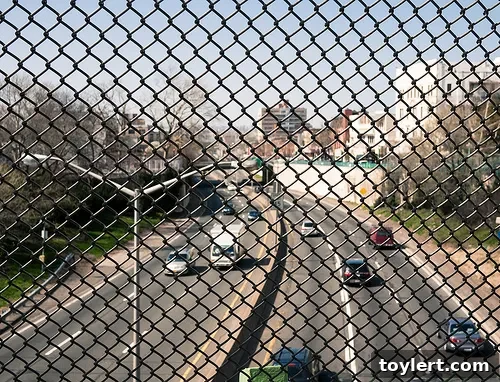
To truly appreciate the narratives that define Brooklyn, it is essential to visualize its unique environment. The borough’s urban landscape, characterized by its distinctive architecture, tree-lined streets, and bustling public spaces, is often more than just a backdrop; it’s an active, living component in the stories that unfold within its bounds. This image serves as an initial invitation into the world of Brooklyn, setting the tone for our exploration of its diverse local headlines.
This photograph captures an authentic moment within a typical Brooklyn street setting, illustrating the borough’s unique character and vibrant atmosphere. Such imagery helps to visually ground our understanding of the community-focused narratives and urban developments that we will explore in detail.
Photo by ekonon
Brooklyn’s Pulse: Key Headlines and Local Insights from a Defining Period
Drawing from a variety of local news outlets, the following headlines from a specific period offer a multifaceted and compelling view of life across Brooklyn. These stories highlight ongoing urban development, address community-specific challenges, celebrate environmental observations, and convey important civic announcements that collectively shape the daily experiences of Brooklynites. Each piece of news, no matter how small, contributes to the larger mosaic of the borough’s identity.
Urban Transformation and Real Estate Dynamics: Shaping Brooklyn’s Future
Brooklyn’s urban landscape is in a state of perpetual motion, particularly evident in its rapidly transforming waterfront areas and burgeoning downtown cores. The following stories shed light on how sustained development pressures and significant economic shifts continually reshape neighborhoods, influencing everything from housing to local commerce and community infrastructure.
85 Jay Street Parking Lot Activity [Dumbo NYC]
The news regarding “85 Jay Street Parking Lot Activity” in Dumbo serves as a significant indicator of the relentless pace of urban planning and development in one of Brooklyn’s most iconic and rapidly evolving neighborhoods. Dumbo, an acronym for “Down Under the Manhattan Bridge Overpass,” has undergone a dramatic transformation over recent decades, evolving from a post-industrial and warehouse district into a highly desirable residential and commercial hub. Its appeal particularly extends to tech companies and creative industries, drawn by its unique aesthetic and prime waterfront location. The specific mention of activity at a parking lot often signifies preliminary work, site assessments, or the initial phases of what will eventually become a significant real estate project. In a borough as land-constrained and sought-after as Brooklyn, every parcel of land, especially in prime locations like Dumbo, holds immense potential for redevelopment. Such activities are critical indicators of future skyline changes, increased residential capacity, or new commercial ventures. They reflect the continuous effort to optimize land use and cater to the growing demand for living and working spaces, contributing to Dumbo’s ongoing metamorphosis into a modern urban village while striving to preserve its historic charm and industrial aesthetic. This particular report would have captured the keen attention of local residents and real estate watchers, eagerly observing the next wave of transformation in this vibrant waterfront community.
As Dumbo Teems with Tech, Downtown Brooklyn Eyes Leftovers [TRD]
This insightful headline from The Real Deal, a prominent voice in real estate news, eloquently articulates a significant and observable trend in Brooklyn’s economic development: the powerful spillover effect of Dumbo’s burgeoning tech boom into neighboring Downtown Brooklyn. As Dumbo became increasingly saturated with technology firms and its commercial and residential rents soared to premium levels, the concept implied by “eyes leftovers” suggests that developers and businesses began to strategically look towards Downtown Brooklyn for new, potentially more expansive and affordable opportunities. Downtown Brooklyn, already established as a significant civic and commercial center, offered a robust infrastructure and more readily available spaces for substantial growth. This outward migration or expansion of the tech sector into Downtown Brooklyn marked a pivotal moment in the borough’s economic diversification, substantially accelerating the area’s own revitalization. It consequently led to a surge in demand for prime office space, the construction of new residential towers, and an enhancement of retail and dining options, fundamentally reshaping the urban fabric and character of both districts. This dynamic illustrates the profound interconnectedness of Brooklyn’s various submarkets, where the concentrated success and rapid growth of one area can powerfully catalyze investment and revitalization in adjacent communities. Such real estate trends have lasting impacts on local infrastructure, housing affordability, and the overall identity of these rapidly burgeoning urban centers within Brooklyn.
Community Life, Safety, and Local Challenges: The Heartbeat of Brooklyn
Beyond the sweeping narratives of large-scale development, Brooklyn is fundamentally defined by its strong, active communities. These neighborhoods frequently coalesce to address a wide array of local issues, ranging from ensuring public safety and maintaining infrastructure integrity to preserving neighborhood aesthetics and enhancing the overall quality of life for their residents.
Breaking: Building Collapse 40 Frank Ct [Gerritsen Beach]
A “Breaking: Building Collapse” report from Gerritsen Beach underscores the critical importance of infrastructure safety and the inherent resilience of communities in the face of unforeseen and often alarming incidents. Gerritsen Beach is a distinctive, tight-knit waterfront neighborhood situated in southeastern Brooklyn, characterized by its unique bungalow-style homes and a remarkably strong sense of local identity and camaraderie. An event such as a building collapse, even if localized to a single address, immediately raises serious concerns about the safety and structural integrity of older buildings, the enforcement of building codes, and the efficacy of local emergency response capabilities. Such incidents typically trigger thorough investigations by city authorities to determine the root cause, implement measures to prevent future occurrences, and ensure the paramount concern of public safety. For a close-knit community like Gerritsen Beach, news of this nature would undoubtedly rally neighbors together, fostering an immediate sense of collective support for those directly affected and prompting broader discussions about local preparedness and the ongoing maintenance of aging building stock. These types of reports serve as stark reminders of the ongoing need for vigilant oversight in urban environments, ensuring that residential areas remain safe, stable, and secure for all inhabitants, particularly in neighborhoods characterized by a rich history of housing.
Bergen St. Dog Owners File Razor-Wire Complaint [CG Patch]
The headline “Bergen St. Dog Owners File Razor-Wire Complaint” from the Carroll Gardens Patch encapsulates a surprisingly common point of friction in densely populated urban environments: the delicate and often contentious balance between individual property security measures and the collective well-being and aesthetic preferences of the community. Carroll Gardens is an affluent and picturesque neighborhood in Brooklyn, widely celebrated for its historic brownstones, meticulously maintained private gardens, and an exceptionally active community of residents, many of whom are pet owners. A complaint regarding the installation of “razor wire” indicates that a security measure implemented by one property owner was perceived as a potential hazard or an aesthetic blight by neighbors, especially those with pets or young children who frequently utilize public sidewalks. Such localized disputes are highly characteristic of active and engaged communities where residents are deeply invested in their immediate surroundings. These issues often lead to impassioned community board meetings, public forums, and extensive discussions involving local authorities, all striving to mediate conflicts and find resolutions that respect individual property rights while simultaneously upholding public safety standards and maintaining the neighborhood’s cherished quality of life. It serves as a classic example of localized civic engagement, where residents actively advocate for a harmonious and safe living environment for everyone.
St. Marks Avenue: Bridge v. Truck, Bridge Wins [I Love Franklin Ave]
The whimsical yet deeply telling title, “St. Marks Avenue: Bridge v. Truck, Bridge Wins,” from the “I Love Franklin Ave” blog, likely refers to a surprisingly common urban incident where an oversized commercial vehicle attempts to pass under a low-clearance bridge, often with predictably negative consequences. St. Marks Avenue is a significant thoroughfare that traverses several prominent Brooklyn neighborhoods, including parts of Prospect Heights and Crown Heights – areas where older infrastructure, such as bridges, frequently coexists with the demands of modern transportation and logistics. These “bridge strikes” inevitably result in substantial traffic delays, often cause significant damage to the vehicles involved, and necessitate immediate structural inspections for the affected bridges, thereby impacting daily commutes and potentially compromising public safety. Such incidents vividly highlight the perpetual challenge of maintaining, updating, and adapting urban infrastructure to safely accommodate contemporary logistics and increasingly larger vehicle sizes. The report underscores the critical importance of clear signage, heightened driver awareness, and careful route planning for commercial transport within a bustling urban environment. Beyond the immediate disruption, these events often spark broader conversations about urban planning, infrastructure resilience, and the continuous need for investment in maintaining the vital arteries of New York City, ensuring the smooth and safe flow of traffic for both residents and businesses alike.
Nature, Recreation, and Historical Preservation: Brooklyn’s Greener Side and Storied Past
Brooklyn is far from being just concrete and steel; it proudly boasts an abundance of beautiful green spaces, offers unique recreational opportunities, and holds a deep historical consciousness. These elements collectively connect its diverse residents to both the rejuvenating power of nature and the borough’s profoundly storied past.
Welcome Cherry Blossoms, a Little Early This Year [BoCoCa Land]
“Welcome Cherry Blossoms, a Little Early This Year,” reported by BoCoCa Land (a blog comprehensively covering the vibrant Boerum Hill, Cobble Hill, and Carroll Gardens areas, collectively known as BoCoCa), is a delightful and uplifting piece of news that beautifully connects urban residents with the intrinsic beauty and natural rhythms of the city. The annual arrival of cherry blossoms is a highly anticipated and much-celebrated event in Brooklyn, cherished for its ephemeral beauty and its symbolic promise of renewal and the advent of spring. Iconic locations like the Brooklyn Botanic Garden draw thousands of visitors annually to witness this spectacular bloom, but cherry blossoms also grace many of the borough’s streets and local parks, offering pockets of serene beauty. An early bloom, as noted in this headline, can be a fascinating indicator of climatic variations or simply a charming example of nature’s delightful unpredictability. For Brooklynites, such observations offer a cherished moment of natural wonder amidst the urban bustle, fostering a profound sense of community pride in the borough’s abundant green spaces and inspiring residents to step outside and appreciate the transient yet profound beauty of the changing seasons. It serves as a gentle yet powerful reminder of the natural world’s inseparable presence, intricately intertwined with metropolitan life.
Camping at Floyd Bennett Field Costs More This Year (but there’s a sink!) [Brokelyn]
The news from Brokelyn, titled “Camping at Floyd Bennett Field Costs More This Year (but there’s a sink!),” provides a practical and somewhat humorously framed update for outdoor enthusiasts and adventure seekers within Brooklyn. Floyd Bennett Field, a former municipal airport transformed into a crucial part of the Gateway National Recreation Area, offers a truly unique opportunity for urban camping, allowing Brooklynites to connect with nature and enjoy outdoor recreation without having to leave the confines of the borough. This report touches upon several important aspects: the essential accessibility of recreational activities for city residents, the economic considerations of public services, and the ongoing efforts to improve public infrastructure. A price increase, while potentially a minor concern for some, is often justified and accompanied by tangible enhancements in facilities, as humorously underscored by the casual mention of “a sink.” This suggests an ongoing commitment by park authorities to improve the visitor experience and maintain the quality of recreational infrastructure. For families and individuals seeking an accessible escape from the relentless pace of city life, Floyd Bennett Field is an invaluable and cherished resource. Updates like this are vital for informing the community about changes in recreational opportunities, thereby encouraging continued engagement with Brooklyn’s diverse natural offerings, from bustling urban parks to unique wilderness experiences, all available right at their doorstep.
Map of the Month: “Country Thirty Miles Round the City of New York” [Brooklyn Historical Society]
The “Map of the Month: ‘Country Thirty Miles Round the City of New York'” featured by the Brooklyn Historical Society (now known as the Center for Brooklyn History at the Brooklyn Public Library) is a captivating highlight for anyone interested in urban history, cartography, and the profound evolution of New York City. Such historical maps are invaluable artifacts, offering deep and fascinating insights into the past geographical contours, early settlement patterns, and foundational developmental stages of New York City and its burgeoning surroundings. A map depicting the “country thirty miles round the city” from a specific historical period would dramatically illustrate the rural landscape that once characterized much of the area now densely urbanized, showcasing nascent towns, rudimentary transportation routes, and the critical natural features that significantly shaped early development. These precious archival pieces help to contextualize the immense, often overwhelming growth of the metropolis, revealing the historical significance of land use, the role of waterways, and the gradual, intricate expansion that ultimately led to the formation of the modern city we know today. The Brooklyn Historical Society plays a crucial role in diligently preserving and making these historical treasures accessible to the public, allowing contemporary residents to connect meaningfully with the deep historical roots and transformative journey of their beloved borough, thereby fostering a greater and more nuanced appreciation for its unique heritage and ongoing evolution.
Civic Engagement and Public Information: Empowering Brooklyn’s Citizens
Staying informed about local governance, accessing crucial public services, and actively participating in community-driven initiatives are fundamental pillars for fostering active civic engagement in Brooklyn’s vibrant public life. These types of announcements highlight dedicated efforts to keep residents well-informed and empowered to make impactful decisions within their communities.
ATTENTION: TWO Lien Sale Outreach Sessions In Brooklyn [Team Tish]
The important announcement titled “ATTENTION: TWO Lien Sale Outreach Sessions In Brooklyn,” circulated by “Team Tish” (likely representing a local political office, community leader, or an advocacy group), serves as a critical public service message with potentially significant implications for property owners across the borough. Lien sales, a complex municipal process where the city sells outstanding property tax liens to private investors, can be a daunting and often perilous situation for homeowners, potentially leading to foreclosure if not properly understood and proactively addressed. These outreach sessions are therefore invaluable, serving to inform property owners about the intricacies of the lien sale process, their legal rights, available assistance programs designed to help them, and crucial steps to take to prevent the devastating loss of their homes. This news item powerfully underscores the vital role of local government and community organizations in diligently disseminating essential information and providing much-needed support to vulnerable populations within the borough. It reflects a commendable commitment to fostering robust civic engagement and ensuring that all residents are equipped with the necessary knowledge and resources to effectively navigate complex municipal procedures, thereby protecting their valuable assets and contributing to the stability and overall well-being of Brooklyn’s diverse and dynamic neighborhoods.
Conclusion: The Enduring and Ever-Evolving Narrative of Brooklyn
This comprehensive collection of diverse headlines, meticulously spanning urban development, pressing community concerns, delightful environmental observations, and vital civic engagement efforts, paints a vivid and multifaceted picture of Brooklyn’s intricate character during a specific and defining period. It profoundly showcases a borough that is in constant flux, adeptly balancing ambitious developmental goals with the crucial preservation of its unique community identities and its deep, resonant historical depth. Brooklyn is truly a place where every street corner potentially holds a story, where local activism frequently shapes public policy, and where the rich tapestry of the past continuously informs and influences both the present and the unfolding future.
The discernible threads connecting Dumbo’s rapid tech expansion, the dedicated community efforts in Carroll Gardens, the enlightening historical insights provided by the Brooklyn Historical Society, and the critical civic outreach sessions reveal a borough that is both dynamically modern and profoundly rooted in its cherished traditions. These carefully selected snapshots, even years after their initial publication, provide invaluable insights into the ongoing narrative of Brooklyn — a powerful testament to its enduring charm, its inherent complexities, and the resilient, indomitable spirit of its extraordinary residents. Staying connected to local news, whether through vibrant community blogs or established media outlets, remains paramount for anyone seeking to truly understand and appreciate the vibrant, beating, and ever-evolving heartbeat of this remarkable New York City borough.