Exploring Brooklyn’s Vibrant Landscape: Development, Culture, and Community
Brooklyn, a borough renowned for its rich history, diverse communities, and constant evolution, continues to captivate residents and visitors alike. From its industrial past to its current status as a global cultural hub, Brooklyn’s transformation is a testament to its enduring spirit. This article delves into various facets of this dynamic borough, highlighting significant developments, cultural milestones, and local community initiatives that shape its unique identity. We’ll journey through specific neighborhoods, examining how urban planning, artistic endeavors, and culinary innovations contribute to Brooklyn’s ever-changing landscape.
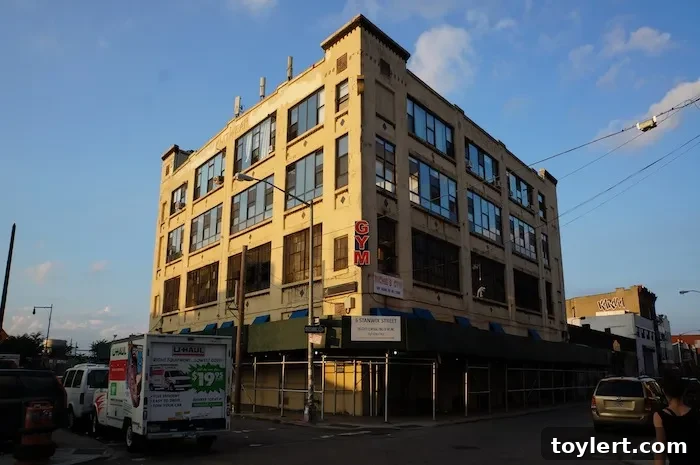
The accompanying image, depicting an industrial building in Bushwick at sunset, perfectly encapsulates the borough’s distinctive ambiance. It’s a visual metaphor for Brooklyn’s transition: the rugged lines of industrial architecture softened by the warm hues of dusk, hinting at the creative energy and renewal often found within these very structures. This blend of the old and new, the gritty and the beautiful, is a defining characteristic of many Brooklyn neighborhoods, especially those that have undergone significant revitalization in recent decades. It’s a landscape where history meets innovation, and where every corner tells a story of change and resilience.
Gowanus: A Neighborhood in Transition
The Gowanus Canal area, once a heavily industrialized zone, has been a focal point of Brooklyn’s urban transformation, often sparking spirited discussions about development and community impact. One notable point of contention and discussion involved the establishment of a new parole office. Reports detailed how a new Parole Office Across From Whole Foods Was Expected to Serve up to 400 Ex-Cons a Day. This development highlighted the complex interplay between community services, local businesses, and residential concerns in a rapidly gentrifying area. The proximity to a major retail establishment like Whole Foods amplified conversations about public safety, neighborhood character, and the equitable distribution of essential services. Such a decision underscores the constant balancing act city planners face when integrating diverse needs within evolving urban environments, particularly in areas like Gowanus that are experiencing significant growth and demographic shifts.
Further reflecting Gowanus’s burgeoning appeal, the culinary scene began to diversify with unique local establishments. Adding to the neighborhood’s character, news surfaced that Baba’s Pierogies was slated to Open on 3rd Avenue in Gowanus. This opening wasn’t just about a new restaurant; it symbolized the increasing variety of food options available to a growing residential population and the revitalization of street-level commerce. Pierogies, a beloved comfort food, brought a touch of Eastern European culinary tradition to a neighborhood that was rapidly becoming a melting pot of global flavors. Such local businesses are vital in establishing a sense of community and providing unique dining experiences that distinguish Brooklyn’s neighborhoods from more standardized urban environments. They contribute significantly to the local economy and the social fabric, often becoming cherished landmarks for residents.
Brooklyn’s Cultural Institutions: Leadership and Vision
Brooklyn is home to world-class cultural institutions, and the Brooklyn Museum stands as one of its crown jewels. Leadership changes at such prominent establishments inevitably draw significant attention, as they often signal new directions or consolidation of past achievements. The public and art community paid close attention to the departure of significant figures, such as when the Brooklyn Museum’s Director was Interviewed as He Eyed the Exit. These exit interviews provide valuable insights into the challenges and triumphs faced during a director’s tenure, offering a retrospective on the museum’s artistic programming, community engagement, and financial health. They also often reveal the strategic vision for the institution’s future, as a new leader prepares to take the helm. The departure of a director is a moment for reflection on the museum’s role in the cultural landscape of Brooklyn and beyond, its commitment to diverse audiences, and its ability to adapt in an ever-evolving art world. Such transitions are critical for the sustained relevance and growth of major cultural hubs, impacting everything from exhibition choices to educational outreach programs.
Bushwick’s Culinary and Literary Gems
Bushwick, once a predominantly industrial area, has flourished into a vibrant hub for artists, musicians, and food enthusiasts. Its unique blend of gritty charm and creative energy has fostered a thriving local scene. A testament to its burgeoning culinary appeal was the celebration of New York Oyster Week. During this time, Bushwick Daily highlighted its List of Best Bushwick Oyster Places. This focus on oysters showcased the neighborhood’s sophisticated yet unpretentious dining options, attracting gourmands eager to explore the diverse offerings. Such events and curated lists not only promote local businesses but also solidify a neighborhood’s reputation as a go-to destination for specific culinary experiences. The presence of high-quality oyster bars signifies a maturation of the dining scene, catering to a diverse clientele and contributing to Bushwick’s overall desirability as a place to live, work, and socialize.
Beyond its culinary offerings, Bushwick also nurtures a strong independent spirit, evident in its thriving artistic and literary communities. This is perfectly embodied by its independent bookstores, which serve as vital cultural anchors. The story of Better Read Than Dead: A Tiny Bushwick Bookstore with a Big Inventory illustrates the charm and importance of these local establishments. In an age dominated by digital media and large chain stores, small independent bookstores often defy expectations, thriving on curated selections, community events, and a personalized approach. They become gathering places for literary enthusiasts, offering a haven for discovery and intellectual exchange. The success of such a “tiny bookstore with a big inventory” highlights Bushwick’s appreciation for niche markets and community-driven enterprises, reinforcing its identity as a creative and intellectual enclave where unique ventures can flourish.
Downtown Brooklyn: The Vertical Transformation
Downtown Brooklyn has undergone a dramatic transformation in recent years, evolving from a primarily commercial and administrative district into a bustling mixed-use urban center. This evolution is characterized by significant residential and commercial development, pushing the boundaries of the borough’s skyline. A clear indication of this growth was the filing of permits for a 280-Foot Rental Tower Coming to 210 Livingston Street in Downtown Brooklyn. Such high-rise residential projects are pivotal in addressing New York City’s persistent housing demand and in reshaping urban density. They contribute to the vibrant street life, bringing new residents and vitality to the area. The development of luxury rental towers signifies confidence in Downtown Brooklyn’s future as a desirable residential destination, equipped with excellent transit access, cultural amenities, and retail options. These projects are not just buildings; they are integral components of a larger urban strategy to create a dynamic, livable, and economically robust downtown core for Brooklyn.
Greenpoint: Celebrating Local Art and Creativity
Greenpoint, nestled at the northern tip of Brooklyn, has long been celebrated for its distinctive charm, Polish heritage, and burgeoning arts scene. The community’s commitment to supporting local artists and fostering creative expression is particularly evident through events like Greenpoint Open Studios. The announcement that Greenpoint Open Studios Was Happening generated excitement, inviting the public to explore the hidden creative spaces within the neighborhood. These events are crucial for artists, providing a platform to showcase their work, connect with collectors and enthusiasts, and gain recognition. For the community, Open Studios offers a unique opportunity to engage directly with the creative process, discover local talent, and experience the cultural richness of Greenpoint. It reinforces the neighborhood’s identity as a haven for artists and a vibrant cultural destination, fostering a strong sense of community and collaboration. Such initiatives are essential in preserving the artistic integrity and unique character of neighborhoods in the face of rapid urbanization.
Brooklyn’s Enduring Appeal and Evolution
From the strategic placement of community services in Gowanus to the culinary explorations in Bushwick, the leadership transitions at its cultural institutions, the vertical growth in Downtown Brooklyn, and the celebration of local art in Greenpoint, Brooklyn consistently demonstrates its multifaceted nature. Each development, cultural event, and community initiative contributes to the borough’s ongoing narrative of transformation and resilience. Brooklyn is not merely a collection of neighborhoods; it is a living, breathing entity, continually adapting while preserving its unique character. Its blend of history, innovation, and diverse communities ensures its enduring appeal as a quintessential urban experience. The dynamic interplay of residential growth, artistic expression, and local business development paints a picture of a borough that is always reinventing itself, yet always staying true to its roots.