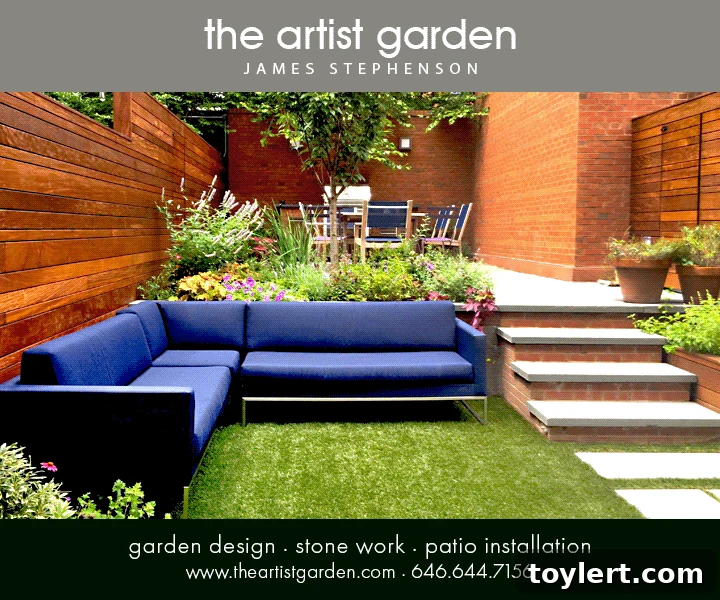
The Artist Garden: Cultivating Creativity and Serenity in Your Outdoor Sanctuary
In a world increasingly driven by digital screens and bustling urban environments, the search for spaces that inspire tranquility and spark creativity has become more vital than ever. For artists, dreamers, and anyone seeking a deeper connection with nature and their inner muse, “The Artist Garden” offers a compelling vision. More than just a collection of plants, an artist garden is a living canvas, a dynamic studio, and a meditative retreat where imagination can flourish.
This article explores the profound concept of an artist garden, delving into its philosophy, design principles, and the myriad benefits it offers. Whether you envision a grand landscape or a cozy balcony nook, discovering how to blend horticulture with artistic expression can transform your outdoor space into a wellspring of inspiration.
What is an Artist Garden? A Symbiotic Blend of Nature and Creativity
At its core, an artist garden is an outdoor space intentionally designed to foster creativity, provide inspiration, and serve as a sanctuary for artistic pursuits. It’s where the raw beauty of nature meets human imagination, resulting in a harmonious environment that stimulates the senses and calms the mind. This isn’t just about planting flowers; it’s about crafting an immersive experience where every element, from the choice of flora to the placement of sculptures, contributes to an overarching artistic vision.
Historically, artists have long drawn inspiration from nature. Claude Monet’s iconic garden at Giverny, for instance, was not merely a beautiful space but a direct subject and catalyst for his groundbreaking Impressionist paintings. Similarly, Frida Kahlo’s Casa Azul garden in Coyoacán was a vibrant extension of her identity and a source of imagery for her deeply personal art. These historical precedents highlight the intrinsic link between a cultivated outdoor space and the flourishing of artistic genius.
An artist garden can take many forms: a wild, untamed expanse that mirrors the chaos and beauty of creation, a meticulously sculpted landscape that embodies precision and order, or a functional studio garden equipped for specific crafts. The key is its purpose: to be a place where art is not only displayed but also conceived, developed, and practiced.
The Philosophy: Why Every Artist Needs a Creative Garden
The philosophy behind an artist garden is rooted in the belief that nature is the ultimate muse. The ever-changing seasons, the intricate patterns of leaves, the vibrant spectrum of blossoms, and the serene flow of water all offer endless visual, auditory, and tactile stimuli. For an artist, these elements are not just observations; they are prompts for new ideas, textures for new compositions, and colors for new palettes.
- A Source of Unending Inspiration: Nature’s complexity and beauty provide an inexhaustible wellspring of ideas. The play of light, the dance of shadows, the vibrant hues of flowers, and the subtle shifts in climate all offer fresh perspectives for painting, sculpting, writing, and more.
- A Sanctuary for Contemplation: The quiet solitude of a garden offers a refuge from the distractions of modern life. It’s a space conducive to mindfulness, allowing artists to clear their minds, reflect on their work, and connect with their inner thoughts without interruption.
- An Outdoor Studio: For many artists, especially sculptors, potters, or painters who work with large canvases or strong odors, an outdoor studio is indispensable. The garden provides ample space, natural light, and fresh air, transforming the creative process itself into an outdoor experience.
- Sensory Engagement: A well-designed artist garden engages all five senses. The sight of colorful blooms, the scent of jasmine, the sound of trickling water, the feel of rough bark or smooth stone, and even the taste of fresh herbs can all contribute to a richer creative experience.
- Stress Reduction and Well-being: Spending time in nature is scientifically proven to reduce stress, lower blood pressure, and improve mood. For artists grappling with creative blocks or the pressures of their craft, a garden offers a therapeutic escape that rejuvenates both mind and body.
Designing Your Own Artist Garden: Practical Steps to Cultivate Creativity
Creating an artist garden is a deeply personal journey, but certain design principles can guide you. The goal is to craft a space that is both aesthetically pleasing and functionally supportive of your artistic endeavors.
1. Planning and Layout: Sketching Your Creative Oasis
Before digging, take time to conceptualize your garden. Consider:
- Your Art Form: Are you a painter needing a specific light, a sculptor requiring space for large works, a writer desiring quiet nooks, or a musician seeking acoustic harmony?
- Zones: Divide your garden into functional zones. A “working zone” for messy art projects, a “contemplation zone” with comfortable seating, a “display zone” for finished pieces, and an “inspiration zone” with diverse plant life.
- Flow and Pathways: Design pathways that encourage exploration and guide visitors through different areas, perhaps leading to hidden alcoves or focal points.
- Light and Shadow: Observe how light moves across your space throughout the day and year. Plan for areas that receive direct sunlight for certain plants or activities, and shaded spots for cooler retreats.
2. Plant Selection: A Palette of Nature’s Hues and Textures
The plants you choose are the living brushstrokes of your garden. Select species that:
- Offer Diverse Textures: From the feathery fronds of ferns to the rough bark of trees and the smooth petals of roses, varied textures add tactile interest.
- Provide a Spectrum of Colors: Plan your planting scheme like a painter’s palette. Consider seasonal color changes, contrasting hues, and harmonious blends.
- Emit Invigorating Scents: Aromatic plants like lavender, jasmine, rosemary, and mint can awaken the senses and evoke specific moods.
- Attract Wildlife: Birds, butterflies, and bees add movement, sound, and life to your garden, creating a dynamic ecosystem that further inspires.
- Are Low Maintenance (if preferred): Choose plants suited to your climate and soil type to ensure your garden remains a joy, not a burden.
3. Incorporating Art: Integrating Human Expression
The artist garden isn’t just a place *for* art; it’s a place *with* art. Integrate various forms of artistic expression directly into the landscape:
- Sculptures and Statues: Whether abstract or figural, these can serve as focal points or subtle surprises. Consider materials like stone, metal, wood, or even recycled objects.
- Mosaics and Murals: Adorn walls, pathways, or pots with colorful mosaic designs. A waterproof mural can transform a plain garden wall into a vibrant statement.
- Found Objects and Repurposed Materials: Old tools, broken pottery, driftwood, or discarded machinery can be transformed into unique garden art, celebrating upcycling and creativity.
- Water Features: Ponds, fountains, or birdbaths not only add soothing sounds and reflective surfaces but can also be designed as sculptural elements themselves.
- Interactive Installations: Consider wind chimes, kinetic sculptures, or even musical instruments designed for outdoor use to add an auditory dimension.
- Ephemeral Art: Embrace the temporary nature of some art forms. Arrange stones, leaves, or flower petals into patterns that change with the wind or rain, mirroring nature’s impermanence.
4. Functional Elements: Supporting the Creative Process
Beyond aesthetics, ensure your artist garden is practical for your needs:
- Workspaces: A sturdy outdoor table, a small shed or gazebo that doubles as a studio, or even a simple easel stand. Ensure good light and protection from elements.
- Seating Areas: Benches, hammocks, or cozy chairs strategically placed for contemplation, sketching, or simply enjoying the view.
- Storage: Discrete storage solutions for tools, art supplies, and gardening equipment keep the space tidy and inspiring.
- Lighting: Thoughtful outdoor lighting can extend the usability of your garden into the evenings, creating dramatic effects and highlighting artistic features.
- Accessibility: Ensure pathways are clear and surfaces are safe, especially if you plan to move art pieces or equipment around.
Benefits Beyond the Brushstroke: The Holistic Impact of an Artist Garden
The advantages of cultivating an artist garden extend far beyond simply having a beautiful outdoor space. They touch upon mental well-being, personal growth, and a deeper connection to the natural world.
- Enhanced Mental Clarity: The meditative act of gardening, combined with the peaceful environment, helps reduce mental clutter, allowing for clearer thought and focus on artistic problems.
- Stimulated Innovation: Exposure to varied stimuli in nature – the intricate details of a spiderweb, the fractal patterns in a fern, the vibrant interaction of colors – can spark new ideas and approaches in your creative work.
- Physical Activity and Health: Gardening itself is a form of physical exercise, offering a healthy break from sedentary artistic work. It improves physical fitness and provides much-needed fresh air and sunlight.
- Sense of Accomplishment: Watching your garden grow and evolve, alongside your art, provides a profound sense of accomplishment and connection to the cycle of creation.
- Community and Sharing: An artist garden can become a place for sharing inspiration, hosting creative workshops, or simply enjoying with like-minded individuals, fostering a sense of community.
- Environmental Stewardship: By creating a thriving ecosystem, you contribute to local biodiversity and environmental health, connecting your art with a larger purpose.
Maintaining and Evolving Your Artistic Oasis
An artist garden, much like a living artwork, is never truly finished. It evolves with the seasons, with your changing artistic interests, and with the growth of its inhabitants. Embrace this fluidity:
- Seasonal Rhythms: Allow your garden to inspire you with its seasonal transformations. Autumn’s rich palette, winter’s stark beauty, spring’s vibrant rebirth, and summer’s lush abundance each offer unique creative prompts.
- Organic Growth: Don’t be afraid to let some areas grow wild. The beauty of nature’s unmanaged processes can be incredibly inspiring.
- Adapt and Experiment: As your art evolves, so too can your garden. Experiment with new plants, rearrange art pieces, or introduce new functional elements.
- Sustainable Practices: Incorporate sustainable gardening techniques such as composting, rainwater harvesting, and organic pest control. This respects the environment and aligns with the holistic nature of an artist garden.
Conclusion: Your Canvas Awaits Beyond the Walls
The Artist Garden is more than just a place; it’s a philosophy, a lifestyle, and a profound statement about the interconnectedness of art, nature, and well-being. By intentionally cultivating an outdoor space that nourishes your creative spirit, you unlock new dimensions of inspiration, foster serenity, and deepen your connection to the world around you.
Whether you’re a seasoned artist or simply someone who appreciates beauty and the power of nature, the journey of creating an artist garden is an enriching one. It’s an invitation to step outside, breathe deeply, and allow the living, breathing world to become an integral part of your creative process. Start small, dream big, and watch as your personal artist garden blossoms into a vibrant testament to your unique vision.