Unwanted Sidewalk Work: Navigating Mysterious Damage and Protecting Your Property
Imagine the unsettling experience: you’ve recently invested in restoring your property’s sidewalk, ensuring its pristine condition and enhancing curb appeal. Then, out of nowhere, an unknown individual in an unmarked vehicle appears, causing deliberate damage to your newly finished concrete. This isn’t a hypothetical scenario; it’s precisely what happened to one homeowner, prompting a critical discussion on homeowner rights, property protection, and what steps to take when faced with such a peculiar sidewalk crack violation incident.
The Mysterious Incident: A Saw, a Crack, and a Cryptic “Caulking” Claim
The incident began innocently enough, with the homeowner, referred to as “soundhoner,” at home one day. The quiet afternoon was suddenly interrupted by the distinct sound of a saw. Naturally, curiosity led soundhoner outside, only to witness a bewildering scene unfolding right in front of their property.
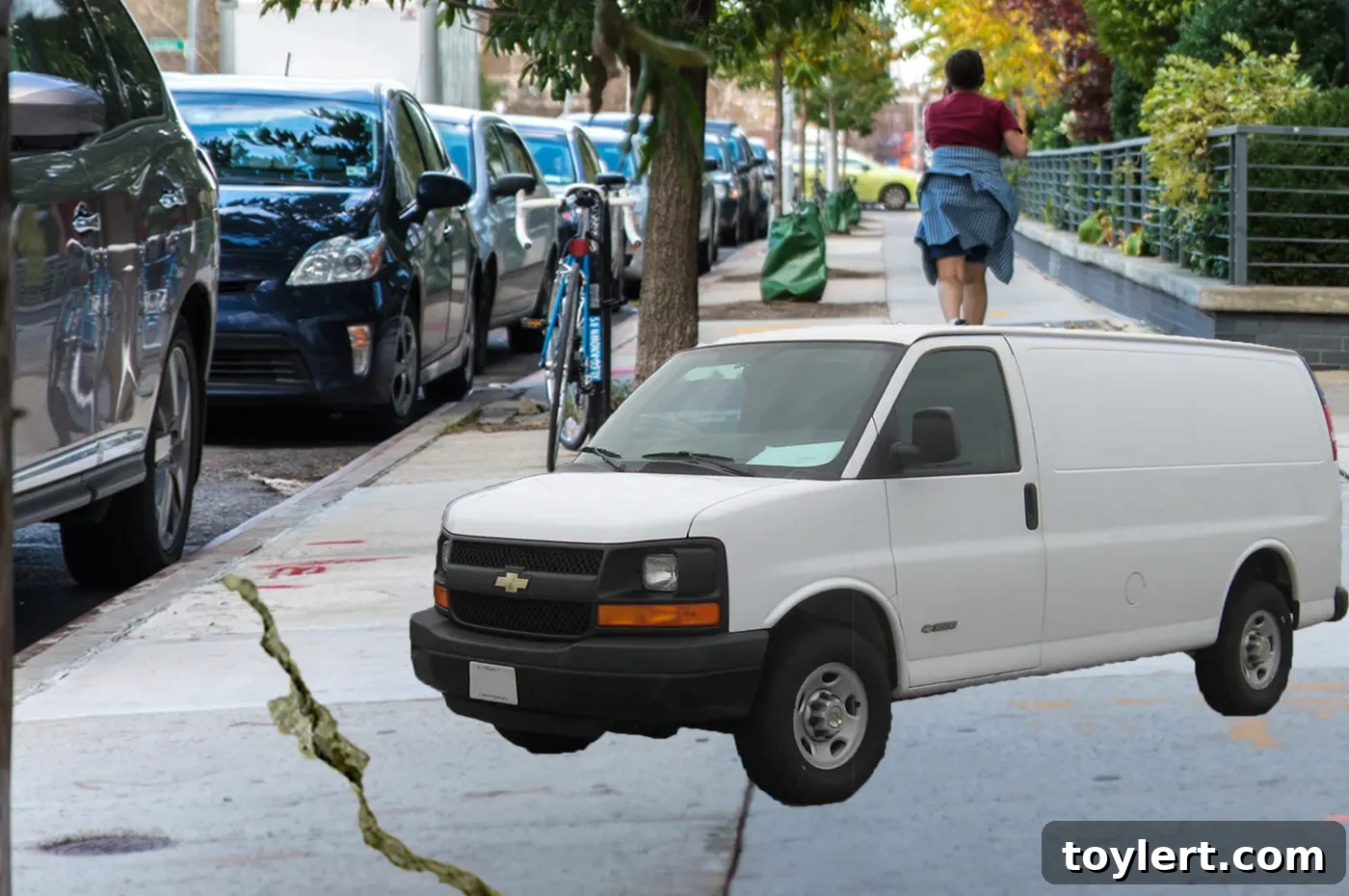
So I happened to be at home today, and I heard a saw sound so went outside. A shady looking individual, with a white unmarked van parked right in front, sawed into my sidewalk. Confused, I asked him what he was doing and he mumbled something unintelligible. Asking for clarification, he said the word “caulking”. Angrily.
This firsthand account paints a vivid picture of confusion and potential intimidation. A “shady looking individual” operating from an “unmarked white van” deliberately creating a crack in a newly redone sidewalk, then vaguely citing “caulking” with an angry tone when questioned – it all raises serious concerns about the nature of the work, the individual’s intentions, and the legal implications for the homeowner. This kind of unauthorized sidewalk work isn’t just an inconvenience; it can lead to significant structural problems, safety hazards, and financial burdens.
Why Unauthorized Sidewalk Damage is a Serious Issue
While a single crack might seem minor, the implications of deliberate and unauthorized sidewalk damage are far-reaching. Homeowners often bear the responsibility for the maintenance and safety of the sidewalks adjacent to their properties. This incident highlights several critical concerns:
- Structural Integrity: Deliberately sawing into concrete can compromise the sidewalk’s structural integrity, leading to faster deterioration, crumbling, or even larger cracks over time. A properly installed sidewalk is designed to withstand certain stresses, and unauthorized cuts can weaken it.
- Safety Hazards: Even a small crack can become a trip hazard, especially if it widens or creates uneven surfaces. As the property owner, you could be held liable for injuries sustained by pedestrians on your sidewalk due to such defects.
- Aesthetic Value: A newly redone sidewalk adds to a property’s curb appeal. Unwanted cracks or repairs diminish this aesthetic value, potentially impacting property resale value.
- Financial Burden: Repairing or re-repairing damage caused by unknown individuals can be costly. Homeowners shouldn’t have to bear the expense of rectifying someone else’s unauthorized actions.
- Suspicious Activity: The secrecy and lack of clear explanation surrounding the incident are alarming. It could indicate anything from a misguided attempt at work to a scam or even vandalism.
Understanding Sidewalk Ownership and Your Responsibility
Before delving into what to do, it’s crucial to understand who is responsible for sidewalk maintenance. In many municipalities, while the sidewalk itself is public property, the adjacent property owner is legally responsible for its upkeep, repair, and ensuring it’s free of hazards. This means that any damage, whether naturally occurring or deliberately inflicted, ultimately becomes the homeowner’s problem to address. This legal framework makes incidents like soundhoner’s particularly frustrating and necessitates a clear understanding of your rights and obligations.
Immediate Steps to Take After a Sidewalk Damage Incident
When faced with suspicious or deliberate sidewalk damage, quick and decisive action is key to protecting your property and potentially pursuing legal recourse. Here’s a comprehensive guide:
1. Document Everything Meticulously
This is perhaps the most critical first step. Gather as much evidence as possible:
- Photographs and Videos: Capture clear images and videos of the damaged sidewalk from various angles. Include close-ups of the crack, wider shots showing its location relative to your property, and any other relevant details.
- Date and Time: Note the exact date and time the incident occurred or when you discovered the damage.
- Description of the Individual and Vehicle: If you witnessed the event, write down every detail you remember about the person (clothing, estimated age, distinguishing features) and the vehicle (make, model, color, any distinguishing marks, license plate number if visible, and “unmarked” status).
- Witness Information: If any neighbors or passersby witnessed the event, ask for their contact information and a brief statement of what they saw.
2. Prioritize Personal Safety and Avoid Confrontation
While it’s natural to feel angry and confrontational, especially when your property is being damaged, prioritize your safety. In soundhoner’s case, the individual responded “angrily.” If you feel threatened or unsafe, retreat and observe from a distance. Do not escalate the situation.
3. Contact Law Enforcement
Report the incident to your local police department immediately. This could be considered vandalism, property damage, or suspicious activity. Provide them with all the documentation you’ve gathered. A police report is crucial for any potential insurance claims or legal actions.
4. Notify Your Local Municipal Authority
Contact your city’s public works department, transportation department, or relevant municipal office responsible for sidewalks. They can advise you on local regulations regarding sidewalk repair, potential permits needed, and how to report unauthorized work on public right-of-way. They might also have records of authorized contractors working in your area, which could help identify if the individual had any legitimate reason to be there (though an unmarked van and angry demeanor suggest otherwise).
5. Inform Your Homeowner’s Insurance Company
Review your homeowner’s insurance policy to understand coverage for property damage. Even if you don’t plan to file a claim immediately, informing them ensures the incident is on record. They can also offer guidance on next steps and potential liability issues.
Investigating the “Caulking” Claim: A Potential Scam or Misguided Attempt?
The individual’s angry claim of “caulking” is particularly puzzling. While caulking or crack filling is a legitimate part of sidewalk maintenance to prevent water penetration and further deterioration, it is applied to *existing* cracks, not by *creating* new ones with a saw. This raises red flags:
- Scam Attempt: It could be a predatory tactic where an individual creates damage, then offers to “repair” it for an exorbitant fee, sometimes claiming to be part of a city program or inspection. They might try to pressure homeowners into paying on the spot.
- Misguided “Repair”: Less likely, but possible, is a poorly informed or unqualified individual attempting some form of “preventative” work, albeit in the most destructive and inappropriate manner.
- Vandalism Disguise: The “caulking” claim could simply be an excuse to mask deliberate vandalism.
Always be wary of unsolicited contractors, especially those who cannot provide clear identification, business licenses, or proper permits for work on your property or public sidewalks. Legitimate contractors will always present credentials and provide written estimates.
Preventative Measures to Protect Your Sidewalk
While you can’t prevent every act of vandalism, you can take steps to minimize risks and ensure your sidewalk remains in good condition:
- Regular Inspections: Periodically inspect your sidewalk for signs of damage or deterioration. Addressing minor issues promptly can prevent them from becoming major problems.
- Know Local Regulations: Familiarize yourself with your city’s sidewalk maintenance codes and any required permits for repairs.
- Be Wary of Unsolicited Offers: Never agree to work from contractors who show up unannounced, especially if they claim to have noticed “problems” you weren’t aware of. Always get multiple bids and check references.
- Enhance Security: Consider security cameras or improved lighting around your property to deter suspicious activity.
- Mark Property Boundaries: Clearly understand where your property line ends and public right-of-way begins, as this can impact responsibility for certain sections of the sidewalk.
Legal and Financial Considerations for Sidewalk Repair
After experiencing unauthorized damage, understanding your legal and financial options is crucial:
- Legal Consultation: If the damage is significant or you suspect a scam, consulting with a legal professional specializing in property law can provide clarity on your rights and potential avenues for recovery. They can advise on pursuing civil action if the perpetrator is identified.
- Insurance Claims: Your homeowner’s insurance might cover property damage due to vandalism, but deductibles and policy limits apply. Having a police report will be essential for any claim.
- Professional Repair Estimates: Obtain quotes from reputable, licensed, and insured sidewalk repair contractors. Ensure they understand the specific nature of the damage and provide a detailed plan for restoration. Always verify their credentials and check online reviews.
- Permits: Confirm with your municipality if any permits are required for the repair work. Performing work without proper permits could lead to fines or requirements to redo the work.
Restoring Your Sidewalk to Its Original Condition
Once you’ve navigated the immediate aftermath and legal steps, the final stage is to restore your sidewalk. Choose a contractor known for quality work and adherence to local building codes. Ensure the repair blends seamlessly with the existing structure, especially if it was recently redone. A high-quality repair will not only restore aesthetics but also ensure the long-term safety and integrity of your property’s valuable entryway.
An incident like the one experienced by soundhoner is a stark reminder for all homeowners to be vigilant about their property, understand their responsibilities, and know the correct procedures to follow when confronted with suspicious activity or property damage. By staying informed and acting decisively, you can protect your investment and maintain the safety and beauty of your home’s exterior.