The Whimsical Charm of Brooklyn Heights’ Fruit Streets: A Historical Journey
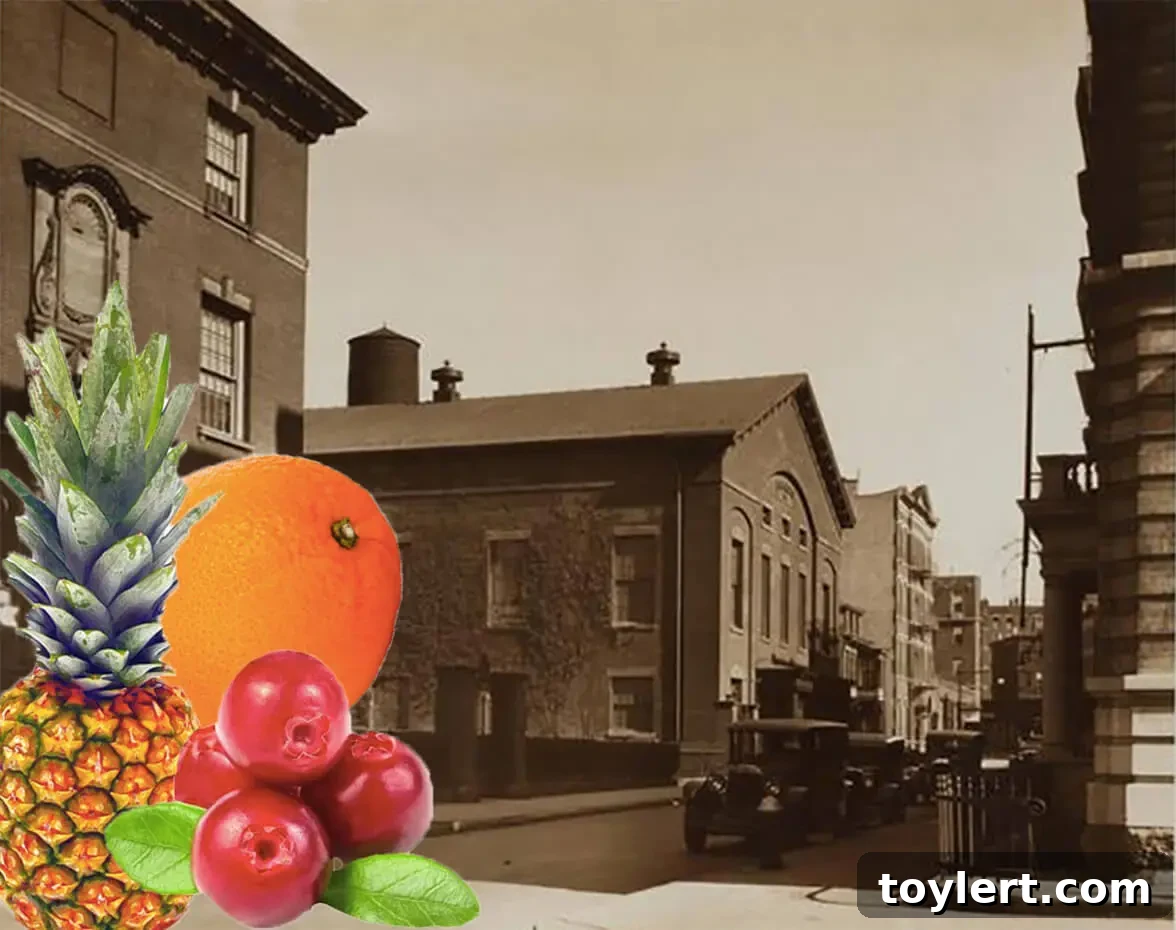
Nestled within the picturesque and historically rich neighborhood of Brooklyn Heights, a trio of streets stands out with names as delightful as they are distinct: Pineapple, Cranberry, and Orange. These aren’t just any streets; they are an integral part of what makes Brooklyn Heights so unique, offering a stark and refreshing contrast to the often numerical or alphabetically ordered thoroughfares found elsewhere in Brooklyn. Far from the typical grid, these “Fruit Streets” enchant residents and visitors alike with their storied past, exquisite architecture, and an air of tranquil elegance that beckons exploration.
Brooklyn Heights itself holds a prestigious place in New York City’s urban fabric, recognized as the city’s first historic district in 1965. This designation was a testament to its remarkably preserved 19th-century architecture, its tree-lined streets, and its profound historical significance. The neighborhood’s location, perched on a bluff overlooking the East River, offers breathtaking panoramic views of the Manhattan skyline, the Statue of Liberty, and the Brooklyn Bridge – vistas best enjoyed from the iconic Brooklyn Heights Promenade. It is within this esteemed setting that the charming enigma of the Fruit Streets truly comes alive.
While many streets in Brooklyn, particularly in its older sections, often bear names of prominent figures, influential families, or even geographical features, the simplicity of “Pineapple,” “Cranberry,” and “Orange” begs a fascinating question. These names stand apart, evoking a sense of playful rebellion against conventional nomenclature. Their titles weren’t always so whimsical, however. Historical records and local lore suggest that these streets were once named after some of the neighborhood’s most aristocratic and influential founding families, reflecting the area’s early status as a desirable residential enclave for New York’s elite.
The Legend of Lady Middagh: A Sweet Act of Defiance
The transition from grand, family-centric names to the humble yet charming fruit designations is steeped in a captivating local legend centered around a spirited resident known as Lady Middagh. According to NYC Parks and long-held community tales, Lady Middagh found the aristocratic street names to be excessively pompous and ostentatious. In a delightful act of urban mischief, it is said she took it upon herself, under the cloak of night, to remove the offending street signs and replace them with new ones bearing the names of three common fruits: Pineapple, Cranberry, and Orange. This audacious act, whether fully historically accurate or embellished over time, beautifully encapsulates the independent spirit and quirky charm often associated with Brooklyn Heights.
Lady Middagh’s alleged motivation – a disdain for perceived pretentiousness – adds a compelling layer to the history of these streets. It suggests a subtle pushback against the era’s social rigidities, favoring instead a more accessible, perhaps even democratic, form of identity for the public thoroughfares. This legendary rebranding stuck, and the fruit names became an enduring part of Brooklyn Heights’ identity, much to the delight of generations of residents and admirers. It’s a story that highlights how local personalities can leave an indelible mark on the urban landscape, transforming mundane details into cherished folklore.
Ironically, despite Lady Middagh’s purported aversion to family-named streets, one particular street named after her own family, Middagh Street, remains. This street, historic in its own right, stands right next to Cranberry Street, creating a charming juxtaposition and a quiet nod to the very tradition she supposedly rebelled against. Middagh Street itself is significant, home to some of the oldest surviving houses in Brooklyn Heights, further cementing the area’s deep historical roots.
Exploring Each Unique Fruit Street
Pineapple Street: A Historic Gem
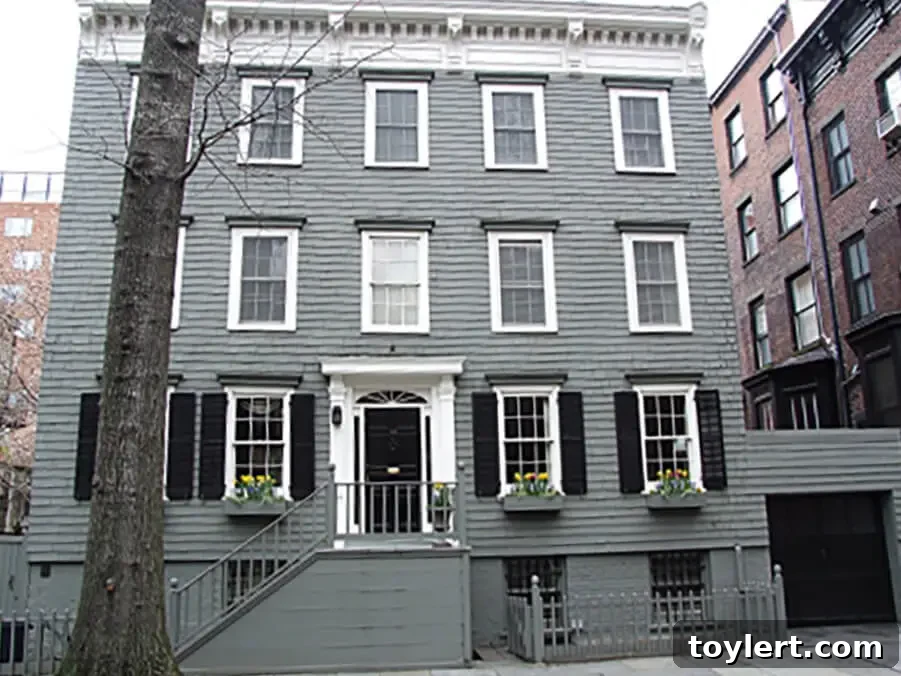
Pineapple Street, often the first of the trio encountered when entering the neighborhood from certain directions, is a quintessential example of Brooklyn Heights’ appeal. Lined with elegant brownstones, stately Federal-style homes, and charming Greek Revival townhouses, it perfectly encapsulates the architectural splendor that defines the area. The street maintains a serene atmosphere, despite its proximity to bustling commercial areas like Fulton Street and the vibrant Brooklyn Bridge Park. Walking down Pineapple Street, one can easily imagine the lives of past residents, from prominent merchants to celebrated artists, all drawn to the street’s quiet beauty and prestigious address. Its buildings often feature intricate details, from ornate cornices to classic stoops, each telling a story of bygone eras and meticulous craftsmanship.
Cranberry Street: Tranquility and Timelessness
Cranberry Street, perhaps the most secluded of the three, offers an even deeper sense of peace. It’s known for its exceptionally well-preserved rows of houses, many of which date back to the mid-19th century. The street’s canopy of mature trees creates a verdant tunnel in the summer, enhancing its residential charm and making it a favorite for leisurely strolls. Cranberry Street’s quietude belies its strategic location, offering easy access to the Brooklyn Heights Promenade, where residents enjoy morning jogs and sunset views. The architecture here showcases a variety of styles, reflecting different periods of the neighborhood’s development, but consistently maintaining a high standard of aesthetic appeal. Its proximity to Middagh Street, as mentioned earlier, adds another layer of historical intrigue.
Orange Street: Elegance by the Plymouth Church
Orange Street completes the fruit trio, distinguished by its elegant residences and its close relationship with significant landmarks. It runs parallel to the iconic Plymouth Church, a site rich with abolitionist history, having served as a stop on the Underground Railroad. The street is characterized by its grander homes, often larger and more imposing than those on the other fruit streets, many featuring distinct architectural flourishes. Orange Street shares the same commitment to preservation as its neighbors, with meticulously maintained facades and meticulously manicured gardens. The peaceful ambiance combined with the architectural grandeur makes Orange Street a truly distinguished address within Brooklyn Heights, embodying the blend of history, beauty, and community that the neighborhood is celebrated for.
The Enduring Appeal of Brooklyn Heights’ Historic Architecture
Beyond the delightful street names, the Fruit Streets, and indeed the entirety of Brooklyn Heights, are celebrated for their unparalleled architectural integrity. The neighborhood is a living museum of American urban residential architecture from the 19th century. Visitors can marvel at the prevalence of brownstones, a signature of New York City, alongside examples of Federal, Greek Revival, Gothic Revival, and Italianate styles. Each building often features unique details, from ornate ironwork on railings and gates to intricate lintels above windows and doors, reflecting the craftsmanship and aesthetic preferences of different eras.
The strict historical district guidelines have ensured that new developments respect the existing character, preventing jarring modern structures from disrupting the harmonious streetscapes. This commitment to preservation is a key reason why Brooklyn Heights continues to exude its timeless charm and remains one of New York City’s most desirable and visually appealing neighborhoods. The architecture is not merely old; it is vibrant, well-maintained, and serves as a constant reminder of the neighborhood’s rich past and its residents’ dedication to preserving that legacy.
The Brooklyn Heights Promenade: A Perfect Complement
No discussion of Brooklyn Heights, especially its Fruit Streets, would be complete without mentioning the Brooklyn Heights Promenade. This cantilevered walkway, built over the Brooklyn-Queens Expressway, offers not just stunning views but also serves as a critical recreational and social hub for the community. The promenade, accessible from various points including the ends of many cross streets, provides a tranquil escape from urban life. It’s where residents gather to watch fireworks, enjoy the changing seasons, or simply soak in the majesty of the Manhattan skyline across the East River.
The close proximity of Pineapple, Cranberry, and Orange Streets to this iconic landmark adds significantly to their allure. Imagine a short, scenic walk from your historic home to a breathtaking vista, a luxury few urban dwellers can boast. This seamless integration of natural beauty, architectural grandeur, and historical depth makes living on these streets a truly unique experience, embodying the best of Brooklyn’s urban charm.
A Legacy Sweet as Fruit
The Fruit Streets of Brooklyn Heights are more than just geographical markers; they are woven into the very fabric of New York City’s rich tapestry. They represent a blend of history, folklore, architectural excellence, and community spirit. The legend of Lady Middagh, whether entirely factual or embellished through generations, serves as a charming origin story that gives these streets a distinctive personality. They are a testament to how character, even in the smallest details like a street name, can define and elevate a place.
In a city constantly evolving, Pineapple, Cranberry, and Orange Streets remain steadfast symbols of Brooklyn Heights’ enduring appeal. They invite exploration, provoke imagination, and offer a sweet taste of history in one of New York’s most cherished neighborhoods. Their whimsical names serve as a delightful reminder that sometimes, the most enduring legacies are born from the simplest, and perhaps sweetest, acts of defiance and charm.