Carroll Gardens Pool Project: Unraveling Neighbor Concerns and Regulatory Clarity
A deep dive into the construction of a backyard swimming pool at 391 Union Street, exploring initial community alarms, adherence to NYC building codes, and the transparent oversight ensuring project integrity.
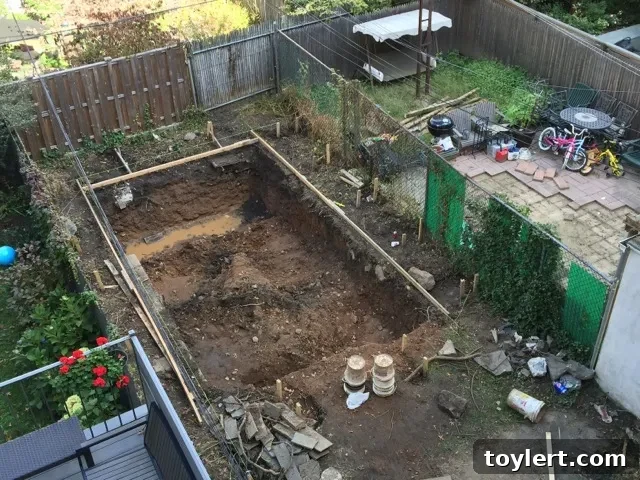
When the quiet rhythm of Carroll Gardens was interrupted by the sounds of heavy machinery and the sight of a significant excavation at the recently acquired property at 391 Union Street, it didn’t take long for concerns to ripple through the close-knit community. Neighbors, accustomed to the stately brownstones and serene backyards, observed the digging of a substantial hole and promptly raised alarm bells. This immediate reaction is not uncommon in established urban neighborhoods where changes to the built environment are often met with scrutiny, especially when they involve extensive groundwork. The apprehension quickly materialized into action, with two calls made to the city’s 311 service, a direct channel for residents to report non-emergency issues and seek information. Additionally, an email from a concerned resident landed in our inbox, articulating profound fears regarding the apparent swimming pool project. The core of their worry revolved around two critical aspects: firstly, whether the project was legitimate and properly permitted, and secondly, the potential structural implications for adjacent buildings, a natural and valid concern given the proximity of Brooklyn’s historic row houses.
The Genesis of Neighborhood Concern
The sudden appearance of an extensive excavation site in a residential backyard can be startling for surrounding property owners. For many neighbors, a large-scale digging operation immediately sparks questions about its purpose, scale, and potential impact. In a densely populated area like Carroll Gardens, where properties often share party walls and are built on relatively small lots, any major construction project on one parcel can directly affect the peace of mind and, potentially, the structural integrity of neighboring homes. Residents expressed understandable anxieties, ranging from the immediate disruption of noise and dust to long-term worries about drainage, foundation stability, and even potential impacts on property values. The lack of upfront communication from the homeowner or contractor often fuels speculation, leading to a cascade of assumptions and fears that can quickly become difficult to dispel without clear, official information.
The community’s proactive engagement, through 311 calls and direct outreach, underscores the importance of transparency in urban development projects, however private they may seem. These actions highlight a fundamental desire among residents to ensure that all construction work, regardless of its scale, adheres to established safety standards and municipal regulations. The initial lack of visible permits or clear signage at the site likely exacerbated these concerns, prompting neighbors to seek answers through official channels, which is their right as citizens impacted by local development.
Professional Oversight and Regulatory Compliance
Recognizing the validity of these community concerns, we initiated an inquiry to ascertain the facts surrounding the project at 391 Union Street. Our investigation led us to the architect overseeing the renovation of the house. This direct engagement proved to be crucial in clarifying the situation and assuaging the initial fears. The architect confirmed unequivocally that the entire project is being executed “by the book,” a reassuring statement implying strict adherence to all local zoning ordinances, building codes, and permit requirements mandated by the City of New York Department of Buildings (DOB). This commitment to regulatory compliance is paramount for any construction work in a densely built urban environment, ensuring not only the safety of the workers and the integrity of the new structure but also the protection of adjacent properties and the wider community.
The phrase “by the book” in the context of NYC construction is more than just an assurance; it signifies a rigorous process that involves detailed architectural plans, structural engineering assessments, multiple inspections, and the submission of extensive documentation to city authorities. It implies that every step, from the initial excavation to the final touches, is meticulously planned and reviewed by licensed professionals and city officials. This comprehensive oversight is designed to mitigate risks, address potential issues before they arise, and ensure that all construction activities are carried out safely and legally, providing a solid foundation for public trust in the project.
Decoding NYC Pool Permit Requirements
A significant point of contention and a source of neighbor concern was the question of whether the swimming pool required a permit. The planned pool dimensions are 10 feet by 20 feet, totaling 200 square feet, with a maximum depth of four feet. Under current New York City regulations, a swimming pool of this specific size, especially in a residential backyard, often falls below the threshold that would mandate a separate, standalone construction permit for the pool itself. This particular detail is critical in understanding why neighbors might not have seen a prominent permit posted for the pool, leading to their initial confusion and concern.
However, it is vital to distinguish between a freestanding permit specifically for a pool and the inclusion of pool plans within a broader renovation permit. The firm overseeing the project at 391 Union Street has demonstrated exemplary due diligence by explicitly detailing the planned pool in its filings with the DOB. Indeed, our review of the Schedule A document, which is a comprehensive statement of proposed work attached to the Alt-1 permit for the overarching house renovation, confirmed the inclusion of the swimming pool plans. An Alt-1 permit signifies alterations to an existing building, often involving structural changes or additions, and requires extensive documentation covering all aspects of the planned work, including any new features like a pool. This proactive disclosure, even if a separate pool permit isn’t strictly required, showcases a commitment to transparency and full compliance with all relevant building codes, ensuring that the city is fully aware of and has approved the scope of work.
While the city’s regulations might not always demand a dedicated permit for smaller residential pools, other considerations remain paramount. These often include specific requirements for fencing and safety barriers to prevent unauthorized access, proper drainage to prevent water runoff issues for adjacent properties, and compliance with electrical and plumbing codes for pump and filtration systems. Architects and contractors must ensure that all these supplementary regulations are met, contributing to the overall safety and legal standing of the backyard oasis.
Ensuring Structural Integrity for Adjacent Properties
One of the most pressing concerns for neighbors centered on the potential structural implications for adjacent buildings. Given the historical nature and close proximity of homes in Carroll Gardens, this is a highly legitimate worry. Modern construction and engineering practices, however, are specifically designed to address and mitigate such risks. Before any significant excavation, a thorough geotechnical survey is typically conducted to understand the soil composition and stability. This is followed by detailed structural engineering plans that include provisions for shoring and underpinning if necessary, particularly when digging below the foundation level of neighboring structures.
The involvement of a licensed architect and structural engineer ensures that the excavation and subsequent construction of the pool will not compromise the stability of the immediate surroundings. These professionals are responsible for designing systems that protect adjacent foundations, monitor ground movement, and ensure that the new structure’s weight and water content are properly distributed and supported. Regular inspections by DOB officials throughout the construction process also serve as an additional layer of safeguard, verifying that approved plans are being executed correctly and safely. This comprehensive approach to structural integrity is a cornerstone of responsible urban development, protecting both the new investment and the established fabric of the neighborhood.
Community Engagement and Future Outlook
While the official channels have confirmed the project’s compliance, the initial alarm among neighbors underscores the vital role of communication in community relations. Major home improvement projects, even those executed “by the book,” can be disruptive. Proactive communication from homeowners or contractors – perhaps through a simple notice or an informal meeting – can often alleviate anxieties and foster goodwill. Informing neighbors about project timelines, potential noise, and measures taken to ensure safety and compliance can transform initial apprehension into understanding and acceptance.
Looking ahead, the successful completion of the pool at 391 Union Street will likely add significant value and enjoyment to the property. Residential swimming pools, particularly in urban settings, offer a private retreat for relaxation, exercise, and family enjoyment. While they come with responsibilities related to maintenance, safety, and ongoing costs, the lifestyle benefits for homeowners are often considerable. As the project moves forward, the initial concerns give way to the reality of a well-planned and professionally executed renovation, a testament to both homeowner ambition and rigorous regulatory oversight.
In conclusion, the swimming pool construction at 391 Union Street in Carroll Gardens serves as a classic example of how urban development, even on a private property, can generate significant community interest and concern. While neighborly alarms are a natural response to unfamiliar construction, the diligent work of the project’s architect and their adherence to NYC’s Department of Buildings regulations have provided clear answers. The project is indeed proceeding “by the book,” with transparency in filings and robust professional oversight ensuring both structural safety and regulatory compliance, ultimately leading to a positive outcome for the homeowners and reassuring for the surrounding community.