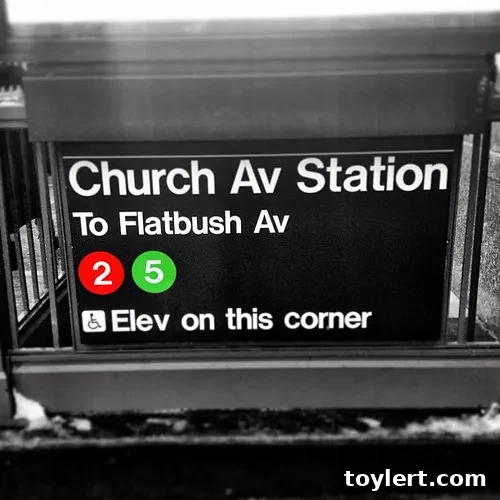
Tensions Erupt in Flatbush: A Community Grapples with Tragedy and Unrest on Church Avenue
Flatbush, Brooklyn, a vibrant and diverse community, found itself at a critical juncture following the tragic death of 16-year-old Kimani Gray. The shooting, which occurred on a Saturday night, sparked a wave of fear, anger, and unrest that quickly spread across a 25-block stretch of Church Avenue, leading to the unprecedented closure of nearly 60 small businesses. This collective decision by shop owners to shutter their gates was a direct response to the escalating violence and looting that followed Gray’s death, as reported by The New York Post. The sentiment among many was one of palpable fear. “I want to close the store. I want to lock the door. I’m terrified,” confided a worker at K & S Fruit on Church Avenue, a business that closed its doors early amidst the turmoil. This incident laid bare deep-seated tensions between the local police force and the residents of Flatbush, prompting urgent calls for dialogue and accountability.
The Catalyst: Kimani Gray’s Death and Conflicting Accounts
The events leading to the widespread unrest began with the fatal shooting of Kimani Gray by police. According to law enforcement officials, Gray was shot after he allegedly drew a gun from his pants. However, Gray’s family vehemently disputed this claim, asserting that the teenager was unarmed at the time of the incident. This stark contrast in narratives immediately fueled community outrage and distrust, casting a shadow over the official account and intensifying calls for a thorough and impartial investigation. The death of a young, Black teenager at the hands of police in an urban community often resonates deeply, tapping into historical grievances and feelings of injustice that have long simmered beneath the surface in neighborhoods like Flatbush.
The immediate aftermath saw emotions boil over. What began as a peaceful protest and vigil for Kimani Gray on Monday night quickly descended into chaos. The collective grief and anger of the community transformed into acts of desperation and frustration. Eyewitnesses reported incidents of property damage, including the trashing of a nearby produce store, and an attack on a manager at a local Rite Aid. The planned vigil for Tuesday was subsequently postponed, a somber acknowledgment of the volatile atmosphere and the need to de-escalate tensions before further gatherings could proceed safely.
A Community in Crisis: Businesses Shut Down, Streets Silenced
The decision by dozens of small business owners to close their shops along Church Avenue underscored the severe impact of the unrest on the local economy and daily life. For many of these establishments – fruit stands, bodegas, laundromats, and other essential services – closing for even a day meant significant financial losses. The sustained closures created an eerie “ghost town” effect, a stark contrast to the usual bustling activity of Church Avenue. This fear-driven shutdown reflected a desperate attempt by business owners to protect their livelihoods and their safety, highlighting the profound insecurity that permeated the neighborhood. The closures were not just about preventing theft; they symbolized a broader collapse of public order and a cry for help from a community feeling abandoned and vulnerable.
The economic ramifications of such widespread closures are significant for Flatbush. Small businesses are the lifeblood of many urban communities, providing jobs, goods, and services, and fostering a sense of local identity. When these businesses are forced to close, even temporarily, it disrupts the entire socio-economic fabric, potentially leading to long-term economic instability and a decline in community well-being. The unrest served as a painful reminder of how quickly civic peace can erode when the foundational trust between residents and authorities is fractured.
Leadership Responds: Calls for Dialogue and Accountability
In the wake of the escalating tensions, community leaders and elected officials stepped forward to address the crisis. Council Member Jumaane Williams, whose district encompasses the affected “riot zone,” was a prominent voice. He attended the Monday night protest, bearing witness to the community’s pain and anger firsthand. His engagement underscored the need for political leadership to be present on the ground during times of crisis, listening directly to the concerns of constituents.
Williams did not shy away from confronting the highest echelons of law enforcement. During a budget meeting, he issued a stern warning to Police Commissioner Ray Kelly, emphasizing that more violence was inevitable unless concrete steps were taken to improve the strained relationship between the police and Flatbush residents. “There’s a lot of anger here,” the Daily News quoted Williams as saying. “This isn’t just from one particular shooting. A whole community has not been heard for far too long.” This powerful statement highlighted the systemic nature of the problem, suggesting that Kimani Gray’s death was merely a trigger for pre-existing grievances related to perceived police misconduct, racial profiling, and a general lack of respect for community members.
Williams’ advocacy pointed to a broader issue: the need for police departments to engage in genuine community policing initiatives that prioritize trust-building and open communication over confrontational tactics. The calls for dialogue and improved relations were not just about preventing future violence but about healing a deeply wounded community and restoring faith in the institutions meant to protect and serve.
Beyond Kimani Gray: A Pattern of Alleged Police Brutality
The unrest in Flatbush was further compounded by revelations of other, seemingly unrelated incidents of alleged police brutality in the area, reinforcing the community’s perception of a systemic problem. One particularly disturbing case involved a landlord who was reportedly shackled to a hospital bed for 17 days after police broke her leg during a wrongful arrest in the hallway of her own building in Flatbush. This incident, which occurred in April and was detailed in a recently filed lawsuit, painted a grim picture of unchecked power and arbitrary enforcement.
Such allegations erode public trust and exacerbate the feeling among residents that they are not safe, even within their own homes, from those sworn to protect them. When multiple incidents of alleged excessive force come to light in quick succession, they tend to validate community fears and amplify calls for independent oversight, greater transparency, and stringent accountability mechanisms within law enforcement agencies. These cases become emblematic of a larger struggle for justice and civil rights in marginalized communities.
The Path Forward: Rebuilding Trust and Fostering Peace
The events in Flatbush serve as a critical reminder of the delicate balance required to maintain peace and order in diverse urban environments. The profound anger expressed by the community, coupled with the fears of local business owners, underscores the urgent need for a comprehensive approach to addressing police-community relations. This approach must go beyond superficial reforms, delving into the underlying causes of distrust and fostering a culture of mutual respect and understanding.
Moving forward, sustained dialogue between community leaders, residents, and law enforcement is paramount. Initiatives focused on de-escalation training for officers, independent investigations into incidents of alleged misconduct, and greater transparency in police operations can help rebuild fractured trust. Furthermore, addressing the socio-economic disparities that often fuel community unrest is crucial. By investing in Flatbush’s youth, supporting its small businesses, and ensuring equitable access to opportunities, the community can begin to heal and move towards a future defined by collaboration rather than confrontation.
The echoes of Kimani Gray’s death and the ensuing unrest continue to resonate, urging all stakeholders to commit to creating a more just and equitable society where every resident feels heard, valued, and protected. Only through such dedicated efforts can communities like Flatbush truly transcend tragedy and foster lasting peace.
Photo by boneszooted
Further Reading and Related Coverage:
- Riot-Wary Flatbush Turns Into Ghost Town [NY Post]
- Top Cop Tangles With Pol Over Riot Sparked by Police Shooting [NY Daily News]
- Councilman Warns of More Violence After Vigil for Teen Killed by Cops [DNAinfo]
- Vigil for Kimani Gray Postponed After Night of Violence [DNAinfo]
- Vigil for 16-Year-Old Shot and Killed by NYPD Cops Turns Violent [Huff Po]