Beat the Heat, Victorian Style: Timeless Strategies for Sustainable Summer Comfort
As the vibrant energy of spring gradually gives way to the intense warmth of summer, many urban dwellers brace themselves for the inevitable shift from pleasant breezes to scorching temperatures. The city climate, known for its sudden and dramatic changes, often leaves us seeking effective ways to stay cool. While modern air conditioning offers a seemingly indispensable solution, its environmental impact and energy costs are increasingly a concern for homeowners and eco-conscious individuals alike. This article delves into a fascinating historical perspective: how Victorians, long before the advent of widespread mechanical cooling, masterfully kept their homes comfortable during the sweltering months. Their ingenious, passive cooling methods offer a treasure trove of wisdom that remains remarkably relevant today, providing sustainable, cost-effective, and environmentally friendly alternatives or supplements to modern cooling systems.
By exploring the architectural principles and lifestyle adaptations of the Victorian era, we can uncover practical strategies to reduce our reliance on energy-intensive cooling. Much of what they practiced then—from clever design features to simple daily habits—can be readily adopted in contemporary homes, helping us save money, lower our carbon footprint, and foster a deeper connection with the natural rhythms of the seasons. Join us on a journey back in time to rediscover the art of staying cool, Victorian style, and learn how these timeless techniques can enhance your comfort and contribute to a more sustainable future.
Embracing Natural Cooling: My Personal Perspective on Summer Comfort
Let me begin with a candid admission that might surprise some: I do not have central air conditioning in my home. While I wholeheartedly acknowledge the invaluable role of A/C in public spaces—from bustling offices and vibrant restaurants to essential public transport and convenient retail stores—I’ve always preferred a more organic approach to cooling my personal living environment. My home relies predominantly on ceiling fans, strategic ventilation, and a conscious effort to integrate passive cooling techniques. This choice isn’t a dismissal of modern technology, but rather a deliberate embrace of principles that celebrate the innate efficiency of architectural design and environmental awareness.
Reflecting on the builders and residents of the Victorian era provides a compelling context for this choice. These pioneers constructed many of the beautiful, enduring homes that still grace our cityscapes today, yet they faced summers without the luxury of electric air conditioning. Their challenge was far greater than ours, as they had to contend with heat purely through design and ingenuity. How did they achieve comfort in an era without mechanical cooling? Their solutions were not about fighting the heat with brute force but rather understanding, anticipating, and collaborating with their environment. Their methods offer powerful lessons for anyone seeking to minimize energy consumption, reduce utility bills, and cultivate a more harmonious relationship with their home and the surrounding climate.
The Genius of Victorian Design: A Legacy of Passive Cooling
Victorian architects and homeowners operated with an intuitive understanding that the most effective way to cool a building was to prevent excessive heat gain in the first place, or to facilitate its natural escape. Their cooling strategies were seamlessly woven into the very fabric and functionality of their structures, showcasing a profound grasp of climate-responsive design and human comfort.
1. Awnings: The Forefront of Solar Heat Prevention
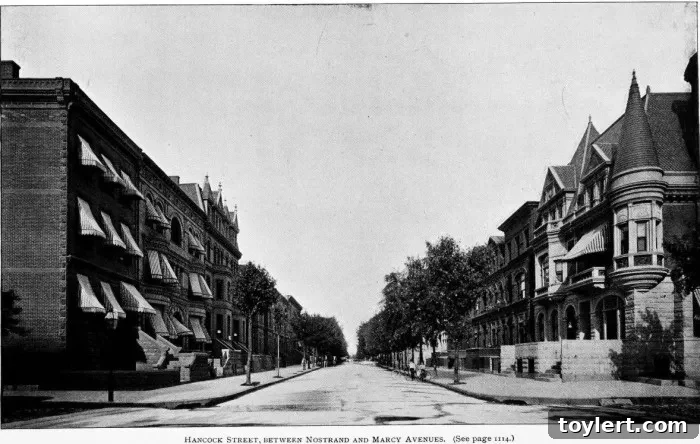
As illustrated by the captivating image above, awnings stand out as one of the most visually appealing and functionally effective Victorian cooling solutions. These elegant exterior fixtures played a crucial role in mitigating solar heat gain. By being strategically positioned above windows and doors, awnings intercept direct sunlight before it can even reach the glass panes. This simple yet brilliant intervention dramatically reduces the amount of solar radiation that penetrates the interior, which is a primary source of indoor heat during summer months. In the Victorian era, awnings were typically crafted from durable canvas or heavy fabrics, often featuring rich colors or distinctive striped patterns that contributed significantly to a home’s aesthetic charm while serving a vital practical purpose. They could be fixed permanently or designed to be retractable, offering residents the flexibility to adjust them according to the sun’s position and their desired level of natural light or shade.
The science behind awnings is elegantly straightforward: when sunlight passes through glass, its energy transforms into heat, which then becomes trapped indoors, intensifying what is commonly known as the “greenhouse effect.” By creating a shaded barrier over windows, awnings can impressively lower internal temperatures by approximately 10 to 15 degrees Fahrenheit, particularly on facades that receive direct sun exposure. This seemingly minor architectural detail offers a substantial boost to indoor comfort and significantly lessens the demand on any supplementary cooling systems, or provides indispensable relief in their absence.
2. Mastering Natural Ventilation: Harnessing the Power of Airflow
Victorian homes were meticulously designed to optimize natural ventilation, facilitating a constant flow of air that purged warm indoor air and drew in cooler outdoor air. This sophisticated approach to airflow was achieved through several intelligent architectural features:
- High Ceilings: A defining characteristic of Victorian architecture, high ceilings served a critical thermal function. As hot air naturally rises, tall ceilings allowed it to accumulate far above the living spaces, keeping the lower, occupied areas significantly cooler and more comfortable.
- Large, Operable Windows: In stark contrast to many contemporary sealed buildings, Victorian residences boasted numerous generously sized windows that were fully functional. Their strategic placement often encouraged cross-ventilation, where cool air enters through one window and warm air exits through another on an opposite wall, creating a refreshing, continuous breeze through rooms.
- Transom Windows: These ingenious, smaller windows, positioned above interior and exterior doors, were a marvel of passive design. Even when main doors were closed for privacy or security, transoms allowed air to circulate freely between rooms and up central stairwells, effectively enhancing overall airflow without compromise.
- Stairwells and Open Layouts: Grand staircases in Victorian homes were not merely decorative; they functioned as integral thermal chimneys. Hot air would naturally ascend the stairwell and escape through attic vents or open windows on upper floors, thereby creating a gentle suction that pulled cooler air in from the lower levels of the house.
- Verandas and Porches: More than just charming architectural embellishments, verandas and porches provided substantial, deep shade to the exterior walls and windows, especially on the ground floor. They also created inviting, cooler outdoor living spaces where residents could seek respite from the heat, effectively expanding the usable living area while simultaneously protecting the interior from solar gain.
3. Thoughtful Material Selection and Construction Techniques
Beyond their renowned ornate detailing, Victorian builders made pragmatic material choices and employed construction techniques that inherently contributed to passive cooling:
- Thick, Substantial Walls: Homes from this period often featured robust brick or stone walls, which inherently possess high thermal mass. This property means they absorb heat slowly throughout the day and then release it gradually during the cooler night hours, effectively moderating indoor temperatures and reducing extreme fluctuations.
- Natural Insulation Properties: While not as technologically advanced as modern insulation, materials like plaster and lath used in wall construction offered a decent barrier against heat transfer, contributing to a more stable indoor climate.
- Strategic Building Orientation: Although challenging to perfectly achieve in densely packed urban environments, architects often considered the sun’s path when siting and designing homes. They aimed to minimize direct western sun exposure on critical living areas, which is notoriously intense and difficult to mitigate.
4. Lifestyle Adaptations: Living in Harmony with the Seasons
Beyond architectural innovations, Victorians adopted a range of lifestyle habits that seamlessly complemented their passive cooling strategies, demonstrating a holistic approach to summer comfort:
- Lightweight and Breathable Clothing: Despite the era’s elaborate fashion, garments often incorporated lightweight, natural fabrics such as cotton and linen. These materials allowed the body to breathe and facilitate natural cooling through evaporation, crucial for comfort in warm weather.
- Adjusted Daily Schedules: Routines were often adapted to avoid the harshest heat of the day. More strenuous tasks might be performed during cooler mornings or evenings, while afternoons were reserved for more leisurely activities indoors or in shaded outdoor areas.
- Ceiling Fans: While early versions were often powered by water or steam, and later by electricity, ceiling fans became increasingly prevalent towards the end of the Victorian era. These mechanical devices, even operating at low speeds, create a powerful wind-chill effect. This makes occupants *feel* several degrees cooler without actually lowering the room’s ambient temperature, making them exceptionally energy-efficient for personal comfort.
- Cooling Diets and Beverages: Dietary choices often leaned towards lighter, more hydrating foods, with an emphasis on fresh produce. Heavy, hot meals, which contribute to metabolic heat generation, were typically avoided during peak summer days. Refreshing beverages were also a staple for staying hydrated and cool.
Integrating Victorian Wisdom into 21st-Century Living: Modern Applications
The enduring appeal of Victorian cooling methods lies in their remarkable timelessness and practical applicability. Many of these historically proven strategies can be effortlessly integrated into contemporary homes, both new constructions and existing properties, offering a sustainable, cost-effective alternative or valuable supplement to conventional air conditioning. Embracing these time-honored principles empowers us to cultivate more comfortable, energy-efficient, and environmentally responsible living spaces.
Practical Steps for Today’s Homeowners to Enhance Summer Comfort:
- Install Modern Awnings: Contemporary retractable awnings are available in an array of styles, colors, and materials, providing highly effective solar control. They can be manually operated for simplicity or motorized for ultimate convenience, offering flexible shading solutions.
- Optimize Natural Ventilation:
- Create Cross-Ventilation: On cooler evenings or when there’s a breeze, open windows on opposite sides of your home to facilitate a powerful, refreshing flow of air. Employ box fans in windows to assist in drawing cooler air in and expelling warmer air out.
- Utilize the Stack Effect: Open windows on lower floors and strategically placed windows on upper floors (or attic vents) to allow hot, rising air to escape, naturally drawing cooler air from below into the living spaces.
- Install or Use Ceiling Fans: Ensure ceiling fans are installed in frequently occupied rooms. During summer, set them to rotate counter-clockwise to create a downward airflow, producing a cooling breeze effect.
- Reactivate Transoms: If your historic home features transoms, ensure they are functional and utilize them to promote airflow between rooms, even when doors are closed.
- Strategic Landscaping: Plant deciduous trees or climbing vines on the sunny sides of your home. In summer, their foliage provides excellent shade, significantly reducing heat gain. In winter, after their leaves fall, they allow warming sunlight to penetrate the house.
- Effective Window Treatments: Use light-colored, reflective blinds, shades, or insulated curtains. Keep them closed during the hottest parts of the day, particularly on sun-facing windows, to reflect solar radiation away from your home.
- Invest in Energy-Efficient Windows: While a larger investment, upgrading to low-emissivity (Low-E) windows can drastically reduce heat transfer. As a more affordable alternative, consider applying reflective or heat-blocking window films to existing panes.
- Minimize Internal Heat Sources: Adopt energy-efficient appliances, switch to LED lighting which generates minimal heat, and avoid using heat-producing appliances like ovens, dryers, and dishwashers during the peak heat hours of the day.
- Consider Light-Colored Roofing: For new constructions or roof replacements, opt for light-colored or highly reflective roofing materials. These choices significantly reduce the amount of solar heat absorbed by your roof and subsequently transferred into your attic and living spaces.
The Enduring Appeal of Sustainable Comfort in a Changing World
In an era increasingly shaped by concerns over climate change, energy independence, and rising utility costs, the wisdom inherited from our ancestors offers remarkably compelling and practical solutions. By thoughtfully integrating Victorian passive cooling techniques into our modern lifestyles and homes, we achieve far more than just reduced reliance on energy-intensive air conditioning. We cultivate a deeper, more mindful connection with our living spaces and the surrounding natural environment, fostering a sense of harmony that is often lost in our technologically advanced world.
The choice to minimize or even forgo air conditioning is a deeply personal one, influenced by individual comfort levels, local climate, and personal values. However, the benefits derived from embracing natural cooling methodologies are universally appealing: significantly lower utility bills, a tangible reduction in one’s carbon footprint, and often, the creation of a more serene, pleasant, and health-conscious indoor environment. It’s about recognizing that genuine comfort doesn’t inherently demand a high environmental or financial price. It’s a journey of rediscovery, appreciating the elegance, simplicity, and profound effectiveness of design principles that have stood the rigorous test of time. These principles unequivocally demonstrate that, sometimes, the oldest and most fundamental solutions are indeed the most forward-thinking and sustainable.
As we eagerly anticipate the warmer months ahead, let us draw profound inspiration from the Victorians. Let’s make a conscious effort to open our windows strategically, deploy our awnings with purpose, and allow the gentle, natural flow of air to cool and refresh our homes. In embracing these simple yet powerful practices, we not only contribute positively to our personal finances and the health of our planet, but we also rediscover a more graceful, harmonious, and sustainable way of living with the summer heat, transforming our homes into havens of natural comfort.