Unearthing Brooklyn’s Past: A Deep Dive into Historic Building Research (Part 3)
Continue your journey through Brooklyn’s rich history by revisiting Part 1: Online Resources and Part 2: Municipal Records of our guide to researching historic buildings.
Our previous explorations into the past have illuminated various avenues for uncovering the stories embedded within Brooklyn’s historic buildings. We’ve navigated the digital realm to discover online databases and delved into the intricacies of municipal records at 210 Joralemon Street, exploring documents from the Department of Buildings and the Real Property Records Room. While these methods provide a solid foundation, some of Brooklyn’s most fascinating secrets are held within its venerable archives and historical societies. For the dedicated researcher eager to embark on a more profound investigation, this installment will guide you through the treasure troves of physical records and expert resources that New York City, and particularly Brooklyn, so fortunately offers.
Brooklyn, once an independent city, boasts an unparalleled wealth of meticulously preserved records, reflecting its distinct identity and vibrant history. These archives are not just collections of old papers; they are windows into the lives, decisions, and daily rhythms of those who shaped our neighborhoods and constructed our iconic architecture. Unlocking their secrets requires patience, curiosity, and the right guidance – all of which we aim to provide.
The Center for Brooklyn History: Your Gateway to Brooklyn’s Legacy
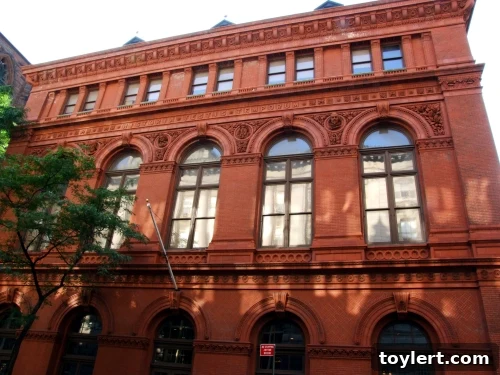
For any serious in-depth investigation into Brooklyn’s past, your first and foremost destination should be the Center for Brooklyn History (CBH), now a vital part of the Brooklyn Public Library. Historically known as the Brooklyn Historical Society, this esteemed institution at 128 Pierrepont Street, at the corner of Clinton Street in Brooklyn Heights, serves as a magnificent repository of the borough’s collective memory. Founded by the affluent patrons of what was then the Long Island Historical Society, its commitment to preserving Brooklyn’s heritage has resulted in a truly exceptional collection.
Stepping into the Othmer Library at the Center for Brooklyn History is like entering a sanctuary dedicated to the past. This awe-inspiring space houses an extraordinary array of resources, complemented by a team of knowledgeable and friendly staff members. These experts are invaluable in helping you navigate the vast collections, refine your research focus, and pinpoint the specific materials relevant to your historic building inquiry. Their guidance can significantly streamline your research process, transforming what might seem overwhelming into a highly productive experience.
A Wealth of Primary Sources and Research Materials
The CBH’s collections are incredibly diverse, offering primary source materials that provide direct evidence of historical events, and secondary sources that offer analysis and interpretation. Here’s a closer look at what you can expect to find:
1. The Archives and Manuscript Collection
- Personal Papers: Discover collections of letters, diaries, scrapbooks, and administrative documents from prominent Brooklyn citizens, offering intimate glimpses into their lives and the social fabric of their times. These can reveal who lived in your building, their occupations, and their community involvement.
- Organizational Records: Explore ledgers, meeting minutes, and ephemera from local religious institutions, businesses, civic groups, and schools. These records can shed light on the development of your neighborhood, the people who worked or worshipped there, and broader economic trends that influenced construction and property values.
- Architectural Drawings and Blueprints: In some cases, you might find original architectural plans or renovation drawings, providing precise details about your building’s design, materials, and alterations over the decades.
- Photographic Collections: While often housed separately, extensive photographic archives capture Brooklyn’s evolving streetscapes, buildings, and residents. Finding a photograph of your building from an earlier era can be an extraordinary discovery, offering visual proof of its original appearance and surrounding environment.
2. The Library Collection
This non-circulating collection is specifically curated to focus on the history of Brooklyn. It encompasses a wide range of materials, from highly detailed primary sources to comprehensive secondary analyses:
- Directories and Almanacs: Early city directories (like Trow’s or Lain’s) are invaluable for tracing the occupants of a specific address year by year. They often list names, professions, and sometimes even business names associated with an address, helping you build a timeline of your building’s residents and their roles in the community.
- Municipal Reports: Official reports from various city departments can provide context on infrastructure development, public works projects, and regulatory changes that might have impacted building construction or maintenance in your area.
- Maps and Atlases: This is arguably one of the most crucial resources for dating and understanding the physical evolution of your house and neighborhood. The CBH holds extensive collections of large atlas map books published in the mid to late 19th and early 20th centuries by renowned companies such as Sanborn, Bromley, Robinson, and Hyde.
Unlocking Secrets with Sanborn Maps and Historic Atlases
These historical fire insurance maps are indispensable tools for anyone researching the age and structural changes of a building. Sanborn maps, originally created for fire insurance underwriters, meticulously detail individual buildings, their footprints, construction materials (e.g., brick, wood frame), number of stories, and even the locations of windows and doors. By comparing maps from different years, you can literally watch your neighborhood transform:
- Dating Your Building: If your building appears on a map from, say, 1888 but not on one from 1880, you can confidently narrow its construction date to within that eight-year window.
- Tracking Changes: Observe additions, demolitions, or changes in building use over time. An original stable might become a garage, or a single-family home might be divided into multiple units.
- Understanding Context: See what surrounded your building – open fields, industrial complexes, other residential structures – providing a clearer picture of its original environment.
The experience of poring over these detailed maps, observing the growth from undeveloped plots to bustling blocks, is not only immensely valuable to your research but also utterly fascinating. The staff at CBH can guide you on how to effectively locate your property on these historical maps and interpret their symbols.
Beyond the Center for Brooklyn History: Expanding Your Research Horizon
While the Center for Brooklyn History is an unparalleled resource, it is by no means the only institution holding clues to Brooklyn’s architectural past. A comprehensive research strategy will involve consulting several other key archives and libraries across New York City.
1. Brooklyn Public Library (BPL) – Central Library
Located at Grand Army Plaza, the Central Library of the Brooklyn Public Library system is another essential stop. Its Brooklyn Collection is a dedicated department offering a vast array of materials on local history, including:
- Local Newspapers: Access microfilmed copies of historical Brooklyn newspapers, which can contain advertisements for new constructions, real estate listings, articles about local development, and obituaries of past residents.
- Neighborhood Histories: A broad selection of published books and dissertations focusing on specific Brooklyn neighborhoods, offering context for the growth and changes in your area.
- Atlases and Maps: While overlapping with CBH, BPL may have unique map collections or different editions.
- Oral Histories: Some collections may include recorded interviews with long-time residents, offering invaluable anecdotal insights into local history.
2. New York Public Library (NYPL) – Stephen A. Schwarzman Building
Though located in Manhattan, the NYPL’s main research branch on 5th Avenue and 42nd Street holds an extensive collection relevant to all five boroughs of New York City. Its Milstein Division of U.S. History, Local History & Genealogy is particularly useful:
- General NYC History: Broad resources on the development of New York City, including Brooklyn, which can provide a wider historical context for your building’s era.
- Real Estate Atlases: A comprehensive collection of atlases, including those for Brooklyn, from various publishers and time periods.
- Architectural Periodicals: Old magazines and journals focused on architecture and building trends can inform you about popular styles and construction methods during specific periods.
3. New York City Department of Records & Information Services (DORIS)
For official municipal documents beyond what’s found at the Department of Buildings, DORIS is an indispensable resource. This agency preserves the historical records of the City of New York, including:
- Tax Photographs: The “Tax Photo” collection from the 1940s (and later updates) provides a snapshot of nearly every building in the city, offering a precise visual record.
- Mayoral Papers and Administrative Records: Documents related to city planning, public works, and legislative actions that shaped Brooklyn’s development.
- Vital Records: If you’re tracing families associated with a building, DORIS might hold birth, marriage, and death records.
4. New York City Landmarks Preservation Commission (LPC)
If your historic building is located within a designated historic district or is individually landmarked, the LPC is a goldmine of information. Even if your building isn’t landmarked, the LPC’s extensive surveys of historic districts often include detailed architectural descriptions and historical narratives for many properties within those areas. Their public records can include:
- Designation Reports: In-depth historical and architectural analyses of landmarked properties or districts.
- Permit Applications: Records of significant alterations or restorations approved by the LPC.
5. Local Neighborhood Historical Societies
Brooklyn is a borough of distinct neighborhoods, many of which boast their own dedicated historical societies. These smaller, community-focused organizations can be incredibly valuable for hyper-local information that might not be found in larger institutions. Examples include the Greater Astoria Historical Society (which covers parts of Greenpoint), the Flatbush-Ditmas Park Historical Society, or the Bay Ridge Historical Society. They often possess unique collections of local photographs, family histories, and community event records specific to their area.
Essential Tips for Successful Archival Research
Engaging with physical archives requires a systematic and patient approach. Here are some key tips to ensure your research is both productive and enjoyable:
- Plan Your Visit: Always check the institution’s website for hours of operation, holiday closures, and any requirements for appointments or reader cards. Many archives require you to register and store personal belongings in lockers.
- Prepare Your Inquiry: Know what you’re looking for. Bring specific addresses, block and lot numbers (from Part 2 of this series), and any preliminary dates you’ve gathered. The more focused your questions, the better the staff can assist you.
- Bring the Right Tools: A notebook, pencils (pens are often prohibited near historical documents), a camera (check photo policies beforehand), and perhaps a laptop or tablet for note-taking are essential.
- Handle Materials with Care: Historical documents are fragile. Follow all guidelines provided by the archives regarding handling, use of gloves, and permissible writing implements.
- Be Patient and Persistent: Research can be a slow process. Not every lead will pan out, but every piece of information, even negative findings, contributes to your overall understanding.
- Cross-Reference Your Findings: Never rely on a single source. Corroborate information across multiple documents to ensure accuracy and build a robust historical narrative.
- Contextualize Your Discoveries: Understand the broader historical, social, and economic context of your building. Who built it? What was the neighborhood like at the time? What major events might have impacted its inhabitants or appearance?
The Enduring Rewards of Architectural History
The journey of researching a historic building is a profoundly rewarding experience. It’s more than just compiling facts and dates; it’s about connecting with the past, understanding the lives of those who came before us, and appreciating the craftsmanship and stories embedded in our built environment. Whether you’re a homeowner, a historian, or simply a curious individual, diving into Brooklyn’s archives offers an unparalleled opportunity to unearth the hidden narratives that define our cherished historic structures. Embrace the adventure, and discover the rich tapestry of history waiting to be revealed within the very walls of Brooklyn.