Every corner of Brooklyn holds a story, a whisper of the past etched into its streets and buildings. In our ongoing exploration of “Nabe Names,” we delve into the origins and captivating narratives behind Brooklyn’s diverse neighborhood nomenclature. Today, we turn our attention to Wallabout, a truly unique and historically rich enclave whose name itself is a testament to its deep roots in the very fabric of New York City.
Wallabout: Unveiling the Historic Heart of Brooklyn’s Enduring Enclave
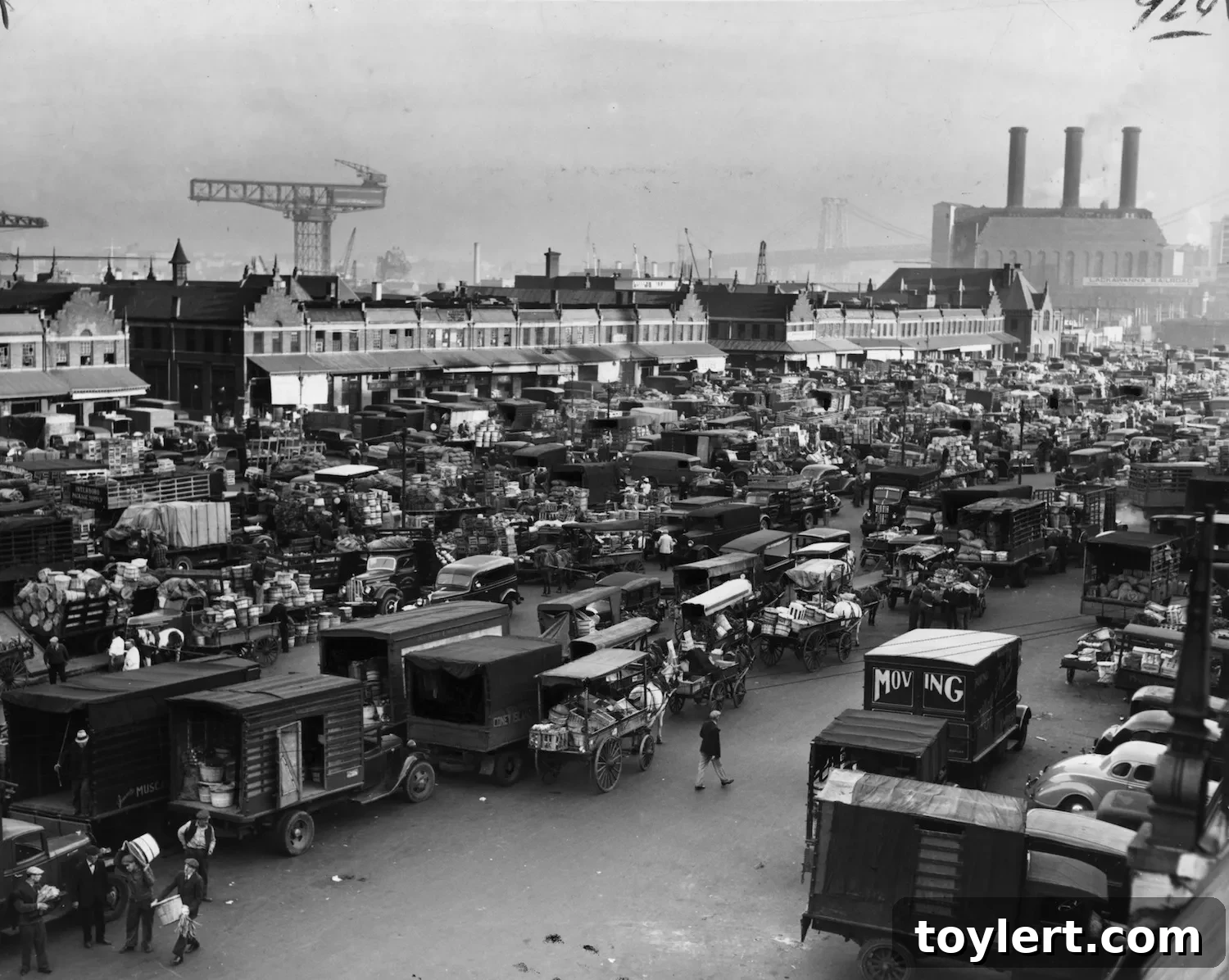
Nestled discreetly within the bustling borough of Brooklyn, Wallabout is a historic gem often overlooked by the casual observer. This captivating neighborhood, an enduring testament to centuries of urban development and cultural evolution, offers a rare glimpse into a bygone era. Dating back to the 17th century, its origins are deeply intertwined with the earliest European settlements in what would become New York. The physical evidence of this profound history is palpable, from its well-preserved pre-Civil War wood-frame row houses to its prestigious designation across not one, but two distinct historic districts, each safeguarding its unique architectural and cultural heritage.
The Name’s Echoes: Tracing Wallabout’s Dutch Origins
To truly understand Wallabout, one must begin with its name, a linguistic echo from its earliest days. The name “Wallabout” is an Anglicization of the Dutch “Waal Bocht” or “Waal-bogt,” which translates roughly to “Walloon Bend” or “Walloon Bay.” This nomenclature pays homage to the Walloon settlers, a French-speaking ethnic group from present-day Belgium, who were among the very first European immigrants to arrive in New Netherland in the 17th century. These early pioneers, including figures like Joris Jansen Rapalje, established some of the initial farms and settlements along the shores of what was then a picturesque, curved bay on the western side of Long Island. The name not only marks a geographical feature but also serves as a crucial historical marker, tying the neighborhood directly to the foundational moments of colonial America.
From “Waal Bocht” to Wallabout: A Linguistic Journey
The transformation from “Waal Bocht” to “Wallabout” reflects the linguistic shifts and cultural melding that characterized colonial America. As English influence grew, the Dutch terms gradually evolved, morphing into spellings and pronunciations more accessible to the new dominant language. This process wasn’t merely phonetic; it represented the ongoing narrative of settlement, assimilation, and the complex interplay of different European cultures on the North American continent. The durability of the name “Wallabout” across centuries, despite these changes, underscores its deep historical significance and the enduring legacy of those first Walloon and Dutch settlers who laid the groundwork for modern Brooklyn.
A Deep Dive into History: From Early Settlements to Revolutionary Scars
Wallabout’s narrative is a rich tapestry woven with threads of early settlement, agricultural prosperity, and profound historical events. Its strategic location on the bay made it an attractive site for farming and early industry, fostering a vibrant community long before the modern metropolis took shape.
The Cradle of Early Brooklyn: 17th Century Beginnings
The earliest documented settlements in Wallabout date back to the 1630s, making it one of the oldest continuously inhabited areas in Brooklyn. Families like the Rapaljes established successful farms, contributing to the burgeoning agricultural economy of Long Island. These initial land grants and settlements formed the rudimentary grid that would eventually evolve into the distinct character of the neighborhood. The enduring presence of architectural styles from the 18th and 19th centuries is a direct link to these foundational years, offering tangible proof of Wallabout’s role as a cradle of early Brooklyn life.
Wallabout Bay and the Dark Chapter of the Revolutionary War
While picturesque in its early days, Wallabout Bay also played a somber and significant role during the American Revolutionary War. It was here, in the cold, unforgiving waters of the bay, that the British anchored their infamous prison ships. Thousands of American prisoners of war were held captive on these decrepit vessels, enduring horrific conditions, starvation, and disease. It’s estimated that more Americans died on these prison ships in Wallabout Bay than in all the battles of the Revolutionary War combined. This tragic chapter left an indelible mark on the area’s history, reminding future generations of the immense sacrifices made for American independence. The Prison Ship Martyrs’ Monument in nearby Fort Greene Park stands as a solemn memorial to these forgotten heroes, its location a constant reminder of Wallabout Bay’s profound historical weight.
The Architectural Tapestry: A Glimpse into the Past
Beyond its historical name, Wallabout’s architecture speaks volumes about its journey through time. The neighborhood is a living museum of American housing styles, primarily characterized by its remarkably preserved wood-frame row houses.
Pre-Civil War Gems: Wood-Frame Row Houses
One of Wallabout’s most distinguishing features is its collection of pre-Civil War wood-frame row houses. These charming, often clapboard-sided homes, with their distinctive architectural details, stand in stark contrast to the more common brownstones and brick structures found in many other Brooklyn neighborhoods. They represent a style of construction that predates the widespread use of brick and stone in urban settings, offering a rare glimpse into the residential architecture of 18th and early 19th century New York. Many of these homes have been meticulously maintained by generations of residents, preserving their original character and contributing significantly to the neighborhood’s unique aesthetic appeal.
Preserving Legacy: Historic District Designations
The architectural significance of Wallabout has not gone unnoticed. The neighborhood boasts not one, but two distinct historic district designations: the Wallabout Historic District and the Wallabout Residential Historic District. These designations are critical to protecting the integrity and character of its historic streetscapes. They ensure that future development respects the existing architectural fabric and that the irreplaceable heritage of Wallabout is preserved for generations to come. These districts underscore the community’s commitment to stewardship and its recognition of the profound value held within its historic buildings.
The Shadow of the Navy Yard: A Defining Boundary
Wallabout’s geographical identity is inextricably linked to the formidable presence of the Brooklyn Navy Yard. This sprawling industrial complex, a powerhouse of American shipbuilding and naval defense for nearly two centuries, physically separates Wallabout from its namesake, Wallabout Bay.
Industrial Might and Neighborhood Identity
From its establishment in 1801, the Brooklyn Navy Yard played a pivotal role in the economic and social development of Wallabout and surrounding areas. For decades, it was a major employer, drawing diverse populations to the neighborhood and fostering a working-class identity. While the Navy Yard no longer functions as an active naval shipbuilding facility in the traditional sense, it remains a vibrant industrial park, home to a diverse array of businesses and innovators. Its imposing presence creates a distinct boundary for Wallabout, contributing to its somewhat insular character. This separation, while geographically isolating, also reinforces Wallabout’s unique identity, setting it apart from other waterfront neighborhoods.
Quaint Isolation and Community Spirit
One of Wallabout’s most defining characteristics is its relative isolation. Far from the immediate reach of major subway lines, the neighborhood maintains a quiet charm that is increasingly rare in a city known for its relentless pace.
The Serenity of Seclusion: Life Off the Beaten Path
The limited public transportation access, while a challenge for some, is precisely what imbues Wallabout with its quaint isolation. This lack of through-traffic and bustling commercial activity creates a serene, almost village-like atmosphere. Residents often describe a sense of peaceful detachment from the urban frenzy that surrounds them. It’s a place where neighbors know each other, where front stoops are for lingering conversations, and where the sounds of the city are often muted, replaced by a quiet hum of community life.
More Than a Periphery: A Strong Sense of Place
Despite its proximity to the popular and often trendier neighborhoods of Fort Greene and Clinton Hill, Wallabout steadfastly maintains its own distinct identity. Residents proudly revere their neighborhood as far more than just a periphery or an extension of its more prominent neighbors. It possesses a strong, independent sense of place, forged by its deep history, unique architecture, and the close-knit bonds of its community. This pride of place is a testament to Wallabout’s enduring appeal and its ability to foster a truly authentic living experience in the heart of Brooklyn.
Wallabout Today: A Blend of Past and Present
Today, Wallabout continues to evolve, yet its core identity remains firmly rooted in its past. It’s a neighborhood where historic preservation goes hand-in-hand with modern living, attracting those who appreciate its unique blend of tranquility and urban accessibility.
Modern Living in a Historic Setting
While quiet, Wallabout is not static. New businesses occasionally open, and the community actively engages in local initiatives. The residents, a mix of long-time families and newer arrivals, contribute to a dynamic atmosphere that respects tradition while embracing contemporary life. The appeal lies in the opportunity to reside in a historically significant area, with charming homes and tree-lined streets, while still being just a short distance from the amenities and cultural vibrancy of downtown Brooklyn and Manhattan. This balance makes Wallabout an increasingly desirable location for those seeking character and calm within the metropolis.
Exploring Wallabout: What Makes It Special
For visitors and prospective residents alike, Wallabout offers a unique experience. Its streets are best explored on foot, allowing one to absorb the architectural details, discover hidden gardens, and truly appreciate the serene atmosphere. While not brimming with typical tourist attractions, the neighborhood itself is an attraction, a living museum of Brooklyn’s past.
- Architectural Strolls: Wander through the historic districts and admire the diverse collection of pre-Civil War wood-frame homes, each with its own story.
- Proximity to Green Spaces: Enjoy the nearby Fort Greene Park, a significant urban green space with historical monuments and recreational facilities.
- Community Events: Keep an eye out for local community events, which often reflect the neighborhood’s close-knit spirit.
- Views of the Navy Yard: While the Navy Yard itself is largely restricted, its impressive scale and the historical context it provides are always visible.
Conclusion: Wallabout’s Enduring Charm
From its “Waal Bocht” origins in the 17th century to its present-day status as a cherished historic enclave, Wallabout stands as a powerful reminder of Brooklyn’s rich and multifaceted history. Its quiet streets, preserved architecture, and strong community spirit create a distinctive urban retreat, a place where time seems to slow down. Wallabout is more than just a cluster of old homes; it is a vibrant, living testament to the endurance of history, the power of community, and the timeless appeal of a neighborhood that truly holds a story in every brick and beam. As Brooklyn continues its rapid evolution, Wallabout remains a steadfast anchor, preserving its past while gracefully navigating the future, offering a truly unique living experience that continues to captivate and charm all who discover its enduring appeal.