Masterful Revival: A Colorful Carroll Gardens Brownstone Parlor Floor Renovation
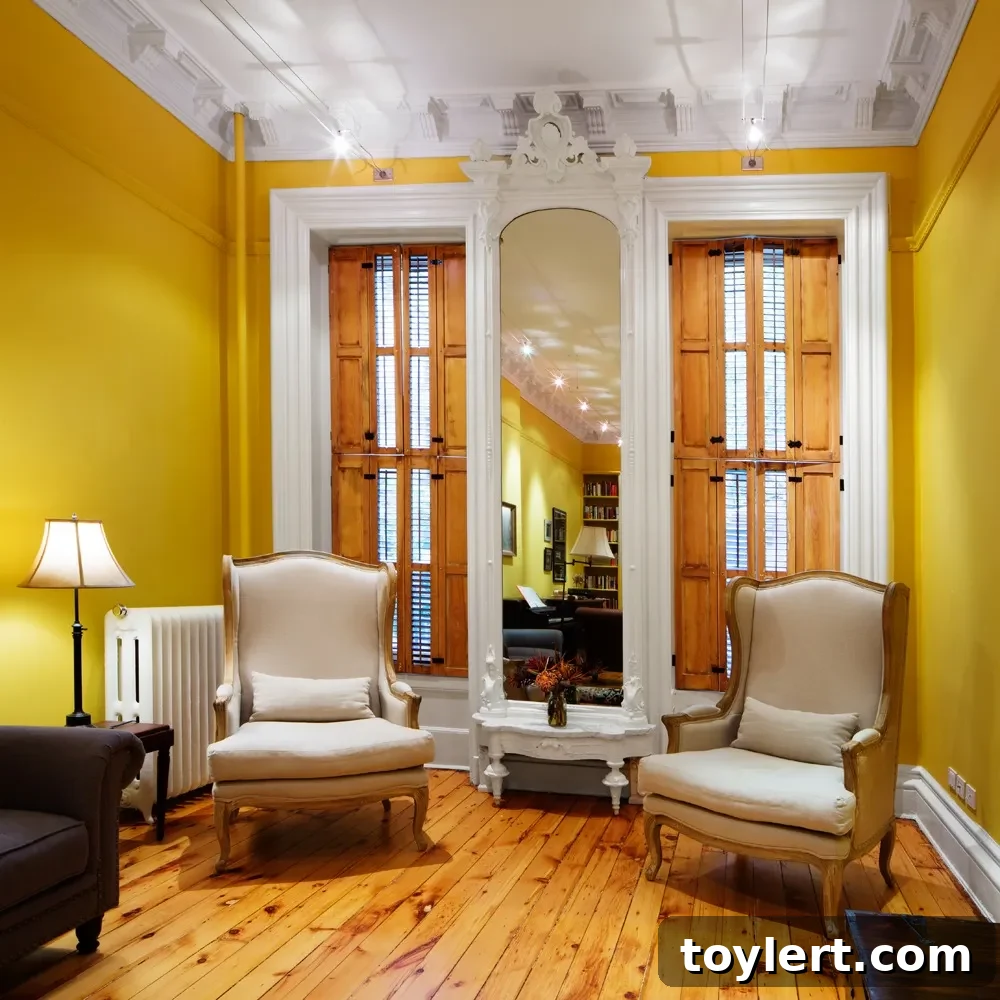
In the heart of Brooklyn’s historic Carroll Gardens neighborhood, a truly exceptional discovery awaited a fortunate pair of homeowners. They stumbled upon a rare gem: an 1890s brownstone boasting an incredibly expansive parlor floor, stretching an impressive 70 feet in length, and remarkably, a treasure trove of its original architectural details meticulously preserved. This wasn’t merely a house; it was a canvas steeped in history, brimming with the potential for a vibrant new chapter. Recognizing the immense scope and specialized nature of their vision, the new owners sought the expertise of Brooklyn-based architect Kim Hoyt. Their ambitious project involved transforming two existing separate flats into a cohesive and luxurious owner’s duplex, with a particular focus on designing a brand-new, captivating kitchen at the rear of the grand parlor floor.
The journey to transform this historic residence was not just about structural changes; it was deeply rooted in a distinctive aesthetic vision. The clients arrived at the initial consultations armed with a clear and compelling set of ideas for the décor, reflecting a desire to infuse their new home with personality and character. Their preferences gravitated towards a palette of intense, rich colors, a bold departure from more conventional, subdued schemes. Complementing this chromatic adventurousness was a strong inclination towards incorporating an abundance of vintage and salvaged materials, promising to weave a narrative of history and sustainability into every corner of the home. This commitment to unique design extended even to specific elements, notably a striking wallpaper pattern they had already chosen for the kitchen: a vibrant, large-scale blue floral design named “Raphael,” sourced from the renowned Swedish company Sandberg. This choice alone signaled a daring and deeply personal approach to interior design, setting the tone for a truly unforgettable renovation.
The Vision: Blending Historic Charm with Modern Living
The transformation of this Carroll Gardens brownstone was a meticulous undertaking, balancing the preservation of its inherent charm with the demands of contemporary urban living. The architectural team, led by Kim Hoyt, embarked on a comprehensive plan to reconfigure the internal layout, primarily focusing on the creation of the owner’s duplex. This involved more than just merging two units; it required a thoughtful reimagining of circulation, light, and privacy. The goal was to craft spaces that flowed seamlessly, felt generous and open, yet retained the intimate scale characteristic of historic brownstones. The parlor floor, with its extraordinary length, presented both an opportunity and a challenge. Its dimensions allowed for multiple distinct zones – perhaps a formal living area, a more relaxed lounge, and a grand dining space, all leading towards the newly envisioned kitchen at the very end. The project sought to enhance the dwelling’s functionality while paying homage to its 1890s origins, ensuring that every intervention felt authentic and considered.
Kim Hoyt Architect: Crafting Brooklyn’s Dream Homes
Kim Hoyt Architect is renowned in Brooklyn for her sensitive approach to historic renovations and her ability to translate client aspirations into tangible, beautiful spaces. Her firm specializes in projects that demand a deep understanding of period architecture, combined with a contemporary sensibility. For this Carroll Gardens brownstone, Hoyt’s expertise was crucial in navigating the complexities of a multi-unit conversion and the careful integration of modern amenities within a venerable structure. The design process was highly collaborative, with Hoyt’s team working closely with the homeowners to refine their vision, explore material options, and ensure that the ambitious use of color and salvaged items was executed with precision and elegance. This partnership was key to transforming the initial concept into a lived reality, a home that felt both deeply personal and historically resonant.
A Symphony of Color and Character: The Design Philosophy
The homeowners’ directive for “intense colors” and an abundance of “vintage and salvaged materials” became the guiding principle for the entire renovation. This wasn’t merely about adding splashes of color; it was a deliberate strategy to imbue each room with depth, warmth, and a unique personality. The choice of rich, saturated hues throughout the home served to highlight the existing architectural details – the intricate crown moldings, the soaring ceilings, and the robust doorframes – rather than merely decorating around them. This approach also created a dynamic interplay with the natural light that streamed through the brownstone’s large windows, transforming the mood of the spaces throughout the day. Beyond aesthetics, the commitment to salvaged and vintage elements underscored a desire for a home with a story, where every piece had a past and contributed to a larger narrative of enduring style and conscious living. This philosophy extended to furniture, lighting fixtures, and even smaller decorative items, ensuring that the home felt curated and deeply personal rather than merely decorated.
The Kitchen: A Bold Blue Floral Statement
At the heart of the parlor floor, the new kitchen emerged as a focal point of daring design. The clients’ pre-selected “Raphael” wallpaper from Sandberg, with its bold blue floral pattern, became the undeniable star of this culinary space. Instead of shying away from such a vibrant choice, the design embraced it, allowing the wallpaper to define the kitchen’s character. This striking pattern likely informed the selection of complementary elements, from custom cabinetry finished in a nuanced shade that either echoed the blue or offered a sophisticated contrast, to elegant countertops perhaps in a classic marble or durable quartz. The use of a bold wallpaper in a kitchen is a testament to the homeowners’ confidence in their aesthetic, transforming a functional area into an artistic statement. It creates an immersive experience, making the act of cooking and gathering feel more joyful and expressive. Natural light, paramount in any kitchen design, would have been carefully considered to enhance the wallpaper’s vibrancy, possibly through large windows overlooking a private garden, a common luxury in Carroll Gardens brownstones.
Further enhancing the kitchen’s unique appeal would be the thoughtful integration of vintage elements. Reclaimed wood flooring, perhaps carefully restored to its original glory, or encaustic tiles with a subtle pattern could provide a foundation of authenticity. Lighting fixtures, selected for their historical character, would cast a warm glow, complementing the rich colors and textures. Open shelving might display carefully curated collections of vintage crockery, while modern, high-performance appliances would be seamlessly integrated behind custom panels to maintain the overall classic aesthetic. This blend of bold contemporary choices with timeless materials and a nod to the past exemplifies the overarching design ethos of the renovation.
The Parlor Floor: A Grand Narrative Unfolds
The 70-foot parlor floor itself became the grand stage for this transformative renovation. Its exceptional length provided a canvas for a series of interconnected yet distinct living zones. Upon entering, guests are immediately greeted by the architectural grandeur typical of 1890s brownstones: soaring ceilings, intricate plasterwork, and perhaps an impressive fireplace, all meticulously restored. The layout would have been thoughtfully planned to maximize the flow of natural light from the front to the rear, creating a sense of openness and airiness. Furniture arrangements would delineate different functional areas – a welcoming entry parlor, a formal living room perfect for entertaining, and a more intimate sitting area or library before transitioning into the dining and kitchen spaces. Each zone would feature its own carefully curated selection of vibrant colors and vintage finds, ensuring a cohesive yet diverse visual experience.
Throughout the parlor floor, the original wood flooring, likely wide plank and made of sturdy oak or pine, would have been lovingly restored. This process involves careful sanding, repair, and a new finish that enhances its natural beauty while providing durability for modern life. Original details such as pocket doors, ceiling medallions, and window casings would have been preserved and highlighted, acting as silent testaments to the building’s rich past. The “intense colors” would appear not just on walls but also in luxurious textiles, bespoke upholstery, and carefully selected artworks, adding layers of texture and visual interest. This meticulous attention to detail ensures that the parlor floor, while fully modernized for comfort and style, retains the soulful character of its late 19th-century origins.
Beyond the Parlor: The Owner’s Duplex Conversion
Converting two separate flats into a singular, sprawling owner’s duplex required extensive architectural planning and execution. This would have involved reconfiguring internal staircases, integrating new plumbing and electrical systems, and ensuring proper sound insulation between floors. The goal was to create a harmonious living environment where private quarters on one level seamlessly complemented the more public entertaining spaces on the parlor floor. Perhaps the lower level houses additional bedrooms, a family room, or even direct access to a private garden, offering a peaceful retreat from the bustling city. The upper level, connected by an elegantly designed staircase, would continue the design language established on the parlor floor, albeit with a focus on personal comfort and tranquility. Every transition, every threshold, was designed to feel natural and intentional, transforming what was once a multi-dwelling unit into a sophisticated, single-family sanctuary.
The Carroll Gardens neighborhood itself plays a significant role in this narrative. Known for its picturesque, tree-lined streets, historic brownstones, and charming front gardens, it’s a community that values its heritage. This renovation not only enhances a single property but also contributes to the enduring beauty and architectural integrity of the entire block. It serves as a testament to how historic properties can be revitalized to meet contemporary needs without sacrificing their inherent charm and character. This Brooklyn brownstone is more than just a renovation; it’s a celebration of vibrant design, historical appreciation, and personalized living, all set within one of New York City’s most coveted and charming enclaves.