Brooklyn’s Dynamic Landscape: A Deep Dive into Local News and Community Initiatives
Brooklyn, a borough renowned for its vibrant culture, rich history, and ever-evolving urban fabric, continues to be a hotbed of community engagement and significant local developments. From architectural milestones and vital transit expansions to spirited local business initiatives and crucial public safety upgrades, the borough’s pulse remains strong and dynamic. This comprehensive overview delves into recent highlights across various Brooklyn neighborhoods, offering insights into the ongoing efforts that shape its unique identity and foster its growth. We explore how residents, local businesses, and government agencies collaborate to enhance quality of life, preserve heritage, and build a sustainable future for this iconic part of New York City.
The snippets of news emerging from different corners of Brooklyn paint a vivid picture of a community deeply invested in its future. Each headline, whether focusing on a building’s anniversary or a new bus route, tells a story of progress, challenge, and the enduring spirit of localism. This article aims to contextualize these individual reports, illustrating the broader trends and concerted efforts that underpin Brooklyn’s continuous evolution. By examining these diverse initiatives, we gain a deeper appreciation for the intricate tapestry of urban life and the collective ambition that drives it forward. Understanding these local developments is key to grasping the larger narrative of Brooklyn as a borough constantly reinventing itself while holding onto its core values.
Celebrating Architectural Milestones and Neighborhood Evolution
Urban landscapes are constantly transforming, with new structures rising and existing ones reaching significant milestones. One particular development that recently marked a notable anniversary is 400 15th Street Turning Eight, as reported by IMBY. The passing of an eighth year for a significant residential or commercial building is more than just a calendar event; it represents a moment to reflect on the impact such structures have had on their immediate surroundings and the wider community. Buildings like 400 15th Street often serve as anchors in their neighborhoods, symbolizing growth, investment, and the changing landscape of urban living, prompting residents to consider how new developments integrate into existing community fabrics.
The inauguration of new buildings, especially in dense urban environments like Brooklyn, invariably sparks discussions about gentrification, population density, and the evolving architectural character of a district. An eight-year anniversary provides a timely opportunity to assess how well a development has integrated into its locale. Has it contributed positively to the streetscape? How have its residents or occupants interacted with existing businesses and community groups? What were the initial hopes and fears surrounding its construction, and how have these played out over nearly a decade? Such questions are fundamental to understanding the long-term success of urban planning and development projects, reminding us that buildings are not merely concrete and steel, but living parts of a neighborhood’s story, continuously shaping and being shaped by the lives within and around them. This milestone prompts a broader conversation about responsible urban development and the delicate balance required to foster progress while preserving community authenticity and ensuring equitable growth.
Empowering Local Commerce: The “Shop Brooklyn” Movement
Community-driven economic initiatives play a crucial role in maintaining the unique charm and resilience of Brooklyn’s diverse neighborhoods. A prime example is the “Shop Brooklyn” campaign, which recently kicked off its fourth year, according to Patch. This initiative underscores a fundamental principle of sustainable urban living: the importance of supporting local businesses. In an era dominated by large retail chains and e-commerce giants, local shops, cafes, and service providers often struggle to compete. “Shop Brooklyn” aims to counteract this trend by encouraging residents to patronize the establishments within their own communities, fostering a sense of pride and ownership in the local economy.
The campaign’s longevity into its fourth year speaks volumes about its effectiveness and the collective commitment of Brooklynites to their local economy. Such initiatives do more than just boost sales for individual businesses; they foster a stronger sense of community identity, keep money circulating within the local economy, and help create a vibrant street life that is essential to urban appeal. When consumers choose local, they are often supporting unique products, personalized service, and the dreams of their neighbors. Furthermore, local businesses are typically more inclined to participate in community events, sponsor local schools, and contribute to the overall social fabric, making them invaluable assets that deserve continued support and recognition. The success of “Shop Brooklyn” is a testament to the power of collective action in preserving the distinctive character and economic vitality of the borough’s beloved commercial corridors, highlighting the direct impact of consumer choices on neighborhood thriving.
Preserving Neighborhood Character: The Carroll Gardens Debate
Urban development and the introduction of new establishments often spark lively debates about the evolving character of a neighborhood. A particularly resonant question posed by The L Magazine asks: “Do Bud Lights Belong in Carroll Gardens?” This inquiry, while seemingly simple, touches upon complex themes of gentrification, commercialization, and the delicate balance between tradition and modernity. Carroll Gardens is known for its historic brownstones, charming local businesses, and a strong sense of community identity. The perceived “mainstreaming” of a traditionally niche or artisanal area can ignite passionate discussions among residents who value their neighborhood’s distinct cultural fabric and fear its dilution by larger, more generic brands.
Such debates are not merely about beverages; they are proxies for deeper anxieties concerning the erosion of local charm, the influx of larger corporate entities, and the potential displacement of long-standing community fixtures. Residents often fear that the introduction of more generic, widely available products or establishments could dilute the unique appeal that drew them to the neighborhood in the first place. This tension highlights the ongoing struggle faced by many desirable urban areas: how to welcome new businesses and residents without sacrificing the very qualities that make them special. It underscores the importance of community input in planning decisions and the perpetual negotiation between preserving heritage and embracing change, ensuring that growth does not come at the expense of a neighborhood’s soul, and that development aligns with community values. These conversations are vital for maintaining the authenticity and unique spirit of Brooklyn’s diverse enclaves.
Enhancing Urban Green Spaces and Public Safety
Myrtle Avenue Safety Plan: A Focus on Street Trees
Sustainable urban living is inextricably linked to the thoughtful integration of green infrastructure, which not only beautifies but also enhances the safety and environmental quality of our streets. Myrtle Minutes spotlighted a crucial element of the Park Avenue Safety Plan: Street Trees. The planting and maintenance of street trees are often underestimated in their impact on urban environments. Beyond their aesthetic appeal, trees provide numerous ecological benefits, including improving air quality by absorbing pollutants, mitigating the urban heat island effect, and managing stormwater runoff, all of which contribute to a healthier and more comfortable urban experience.
From a safety perspective, well-placed street trees can significantly improve pedestrian experiences. They create a natural buffer between sidewalks and vehicular traffic, making walking feel safer and more pleasant. They can also enhance visibility at intersections (when pruned correctly) and contribute to a sense of order and care within a neighborhood, which can deter minor illicit activities. Comprehensive safety plans like the one on Park Avenue recognize that safety is multidimensional, encompassing everything from traffic calming measures to the psychological comfort provided by a greener, more thoughtfully designed public realm. Investing in street trees is, therefore, an investment in both ecological health and community well-being, demonstrating a holistic approach to urban planning that benefits all residents and fosters a more livable Brooklyn.
Public Plazas: Fostering Community and Revitalization
The transformation of underutilized urban spaces into vibrant public plazas is a powerful testament to thoughtful urban planning and community engagement. Streetsblog reported on how the public takes to plazas in East New York and Fort Greene, highlighting the success of these newly activated spaces. Public plazas serve as vital communal hubs, offering residents much-needed breathing room in dense urban settings. They provide venues for social interaction, community events, relaxation, and artistic expression, significantly enhancing the quality of urban life and strengthening community bonds.
The success of these plazas in East New York and Fort Greene demonstrates a broader trend towards creating more pedestrian-friendly and people-centric urban environments. By reclaiming portions of streets or neglected lots and redesigning them for public use, cities can foster stronger community bonds and stimulate local economic activity. These spaces often become catalysts for revitalization, attracting new businesses, encouraging walking and cycling, and providing a focal point for neighborhood identity. The enthusiastic adoption of these plazas by the public underscores their critical role in fostering a sense of belonging and providing accessible, democratic spaces for all city dwellers to enjoy, reflecting a commitment to designing cities for people, not just for cars or commerce. These initiatives are essential for creating a more equitable and enjoyable urban experience for all Brooklyn residents.
Unearthing Brooklyn’s Rich History and Heritage
The Ghosts of Columbia Street: A Glimpse into the Past
Brooklyn’s history is as layered and complex as its present, with countless stories embedded in its streets and structures. Lost City provides a fascinating journey into this past with “The Ghosts of Columbia Street: More Irving Street Images.” This type of historical exploration is crucial for understanding how neighborhoods have evolved over time, offering valuable context for contemporary developments and challenges. Blogs and archives dedicated to urban history serve as invaluable resources for residents and researchers alike, preserving memories and images that might otherwise fade into obscurity, thereby safeguarding the borough’s collective memory.
Documenting the “ghosts” of old streets or the forgotten facades of buildings is more than just nostalgic; it’s an act of cultural preservation. It allows us to trace the lineage of communities, understand the forces that shaped their growth, and appreciate the resilience of urban environments. For areas like Columbia Street, which have experienced significant transformations, historical images and narratives help bridge the past with the present, providing a deeper sense of place and continuity. These historical insights remind us that every street corner has a story, and by understanding these stories, we can make more informed decisions about the future character and development of our beloved Brooklyn neighborhoods, ensuring that progress honors its roots.
Humble Beginnings for the Sea Beach Line: A Transit Legacy
Infrastructure projects, particularly those related to public transportation, have profoundly shaped the growth and development of New York City’s boroughs. Bensonhurst Bean took an in-depth look at the “Humble Beginnings for the Sea Beach Line,” offering a captivating historical perspective on one of Brooklyn’s vital transit arteries. The evolution of subway and elevated lines is a story of ambition, engineering prowess, and the relentless expansion of the city itself, demonstrating how public transit has been a key driver of urban growth.
Understanding the origins of transit lines like the Sea Beach Line provides critical context for appreciating their current role and future challenges. These lines were often instrumental in transforming once-rural areas into bustling urban centers, facilitating commutes, and connecting diverse communities. Their “humble beginnings” speak to a time of rapid industrialization and population growth, where the need for efficient mass transit was paramount. Such historical accounts highlight the enduring legacy of early urban planners and engineers, whose foresight continues to impact millions of daily commuters. They also serve as a reminder that today’s infrastructure decisions will shape the urban experience for generations to come, emphasizing the importance of sustainable investment and forward-thinking planning in public transportation to ensure Brooklyn’s continued accessibility and connectivity.
Community Action and Public Service Collaborations
The strength of any urban community lies in its ability to come together for a common cause, often facilitated by the dedication of public service organizations and local volunteers. Park Slope Stoop reported on a commendable initiative where the NYPD and FDNY provide collection sites for City Harvest. This partnership exemplifies the profound impact that inter-agency collaboration can have on addressing critical social issues like food insecurity, showcasing the civic engagement of emergency services.
City Harvest, a renowned food rescue organization, relies heavily on community support to fulfill its mission. By leveraging the widespread presence and public trust associated with the New York City Police Department and Fire Department, this initiative makes it significantly easier for residents to donate non-perishable food items. This not only streamlines the collection process but also sends a powerful message about community solidarity and shared responsibility. Such collaborations highlight the multifaceted roles that public service organizations play beyond their primary duties, demonstrating their deep commitment to civic welfare. These partnerships are essential for building stronger, more compassionate communities, ensuring that those in need receive vital support, and fostering a spirit of generosity across the borough, creating a more resilient social safety net for all.
Modernizing Infrastructure: Advancements in Public Transportation
A forward-looking approach to urban development necessitates continuous investment in and modernization of public transportation networks. DNA Info reported that the MTA is moving forward with a plan for a new waterfront bus route. This development is particularly significant for areas like Williamsburg, which have experienced rapid growth and increased demand for accessible transit options, especially along the burgeoning waterfront.
New bus routes, particularly those designed to serve previously underserved or rapidly developing areas, can dramatically improve connectivity and accessibility for thousands of residents. Waterfront districts, often characterized by a mix of residential, commercial, and recreational spaces, frequently face unique transportation challenges. A dedicated bus route can alleviate traffic congestion, reduce reliance on private vehicles, and provide a more sustainable and equitable mode of transport for commuters, residents, and visitors alike. Furthermore, improved transit infrastructure often acts as a catalyst for further economic development, attracting businesses and enhancing property values by making neighborhoods more desirable and connected. This MTA initiative reflects a strategic commitment to adapting New York City’s vast transit network to meet the evolving needs of its dynamic population, ensuring that Brooklyn’s growth is supported by efficient and reliable public transport, thereby enhancing urban mobility and quality of life.
Engaging Leadership: Supporting Local Economies
Direct engagement between city leadership and local business communities is paramount for fostering economic growth and addressing specific challenges faced by different neighborhoods. Grub Street reported on a key meeting where Mayor Bloomberg met with Red Hook’s business owners this afternoon. Such high-profile visits from city officials are not merely ceremonial; they provide invaluable opportunities for local entrepreneurs to voice their concerns, highlight their successes, and collaborate on strategies for future prosperity. This direct line of communication is vital for responsive governance.
Red Hook, with its unique waterfront location and industrial heritage, often presents distinct challenges and opportunities for its businesses. Discussions with the Mayor could have covered a range of topics, from infrastructure improvements and zoning regulations to economic incentives and post-disaster recovery efforts (a particularly relevant topic for waterfront areas vulnerable to extreme weather events). These meetings underscore the administration’s commitment to understanding the micro-economies that collectively form the city’s larger economic engine. By actively listening to business owners, policymakers can tailor support programs, identify critical investment areas, and foster an environment conducive to job creation and sustained economic vitality. This direct dialogue is a cornerstone of responsive governance, ensuring that city-wide policies are informed by the lived realities and specific needs of its diverse neighborhoods, thereby strengthening the fabric of Brooklyn’s local economy and promoting equitable development across the borough.
Conclusion: Brooklyn’s Enduring Spirit of Progress and Community
The collection of news items from across Brooklyn paints a compelling portrait of a borough in constant motion, driven by a vibrant community spirit and a commitment to progressive urban development. From celebrating architectural longevity and empowering local businesses through initiatives like “Shop Brooklyn,” to thoughtfully debating neighborhood character in Carroll Gardens and enhancing public safety with street trees, each story reflects a deep engagement with the present and a proactive vision for the future. These diverse efforts highlight the multifaceted approach taken by Brooklynites to shape their environment.
The activation of public plazas in East New York and Fort Greene underscores the importance of communal spaces, while historical explorations of Columbia Street and the Sea Beach Line provide crucial context for understanding Brooklyn’s rich heritage and its transformative journey. Furthermore, the collaborative efforts of the NYPD, FDNY, and City Harvest highlight the power of community service, complementing the critical infrastructure advancements, such as the new waterfront bus route proposed by the MTA. Finally, the direct engagement of city leadership with business owners in Red Hook exemplifies a responsive approach to fostering economic resilience and local prosperity.
Together, these diverse reports demonstrate that Brooklyn is not just a collection of neighborhoods but a dynamic ecosystem where growth, preservation, and community welfare are intricately intertwined. The ongoing dialogue between residents, businesses, and government continues to shape a borough that proudly balances its storied past with an innovative future, ensuring it remains one of the most exciting and livable places in New York City. The enduring spirit of collaboration, local pride, and forward-thinking initiatives continues to be the driving force behind Brooklyn’s captivating narrative of continuous improvement and vibrant community life, making it a model for urban resilience and development.
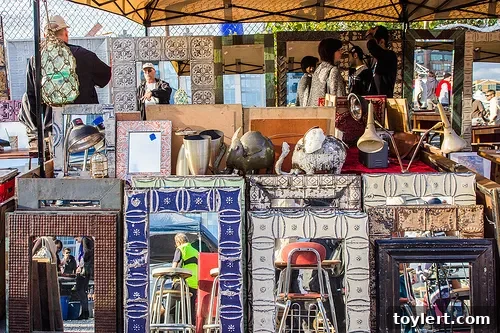
Photo by Tessa Abrahams