Comprehensive Guide to Rewiring Your House and Upgrading Your Electrical Panel
Embarking on a full house rewiring project and upgrading your electrical panel is a significant undertaking for any homeowner. It’s a critical investment in your property’s safety, efficiency, and future value. Many homeowners find themselves asking: How long should this project take, and what cost range should I realistically expect? This comprehensive guide aims to demystify the process, providing clear insights into the timelines, expenses, and essential considerations for a successful electrical system overhaul.
Why Consider Rewiring Your House and Upgrading Your Electrical Panel?
The decision to rewire a house isn’t always elective; sometimes, it’s a necessity driven by safety concerns or functional limitations. Understanding the reasons behind such a significant project can help homeowners prioritize and plan effectively.
Outdated or Damaged Wiring
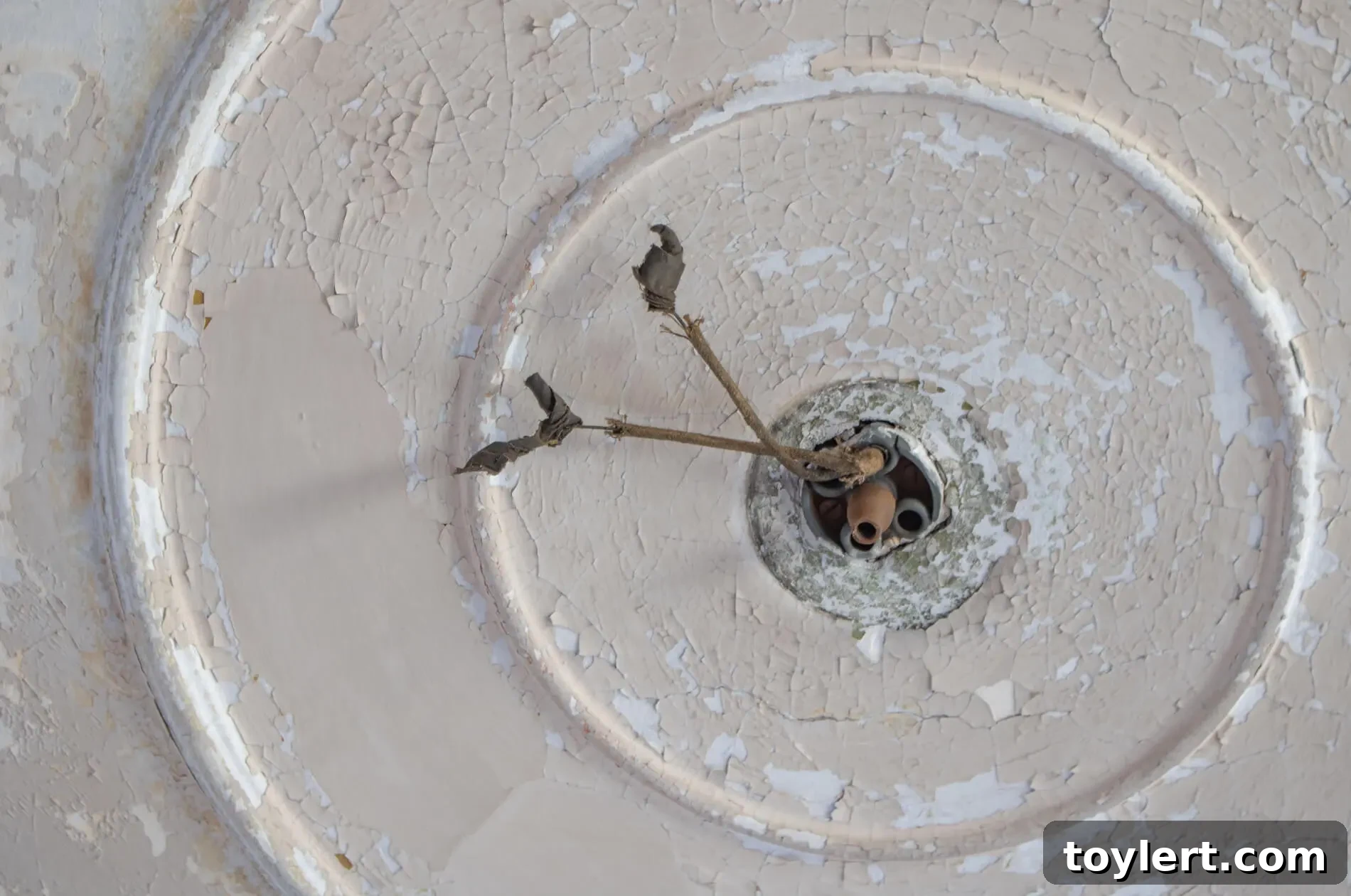
Many older homes, particularly those built before the 1960s, may still operate with outdated electrical systems like knob-and-tube wiring or early aluminum wiring. These systems were not designed to handle the electrical demands of modern appliances and electronics. Over time, insulation can degrade, connections can loosen, and the risk of electrical fires significantly increases. Damaged wiring, whether from pests, amateur modifications, or general wear and tear, also poses a serious hazard. Replacing such systems is paramount for safety.
Insufficient Capacity for Modern Living
Today’s homes are filled with power-hungry devices, from multiple computers and smart TVs to air conditioning units, electric vehicle chargers, and kitchen appliances. An older electrical system with a 60-amp or 100-amp service simply cannot keep up. Frequent tripped breakers, flickering lights, and the inability to run multiple appliances simultaneously are clear indicators that your home’s electrical capacity is insufficient. Upgrading to a 200-amp or even 400-amp service, along with a modern panel, provides the necessary power infrastructure.
Safety and Code Compliance
Electrical codes evolve constantly to enhance safety standards. Older wiring systems often lack essential safety features common today, such as ground fault circuit interrupters (GFCIs) in wet areas and arc fault circuit interrupters (AFCIs) for bedrooms and living spaces, which protect against electric shock and fires. Rewiring ensures your home meets current electrical codes, significantly reducing risks and potentially lowering homeowner insurance premiums.
Increased Home Value and Future-Proofing
A modern, safe, and efficient electrical system is a major selling point for any home. It assures potential buyers that they won’t face immediate, costly electrical upgrades. Furthermore, a robust electrical infrastructure future-proofs your home, making it ready for smart home technology integration, potential solar panel installations, or future additions.
What to Expect: Project Duration
The timeline for rewiring a house and upgrading an electrical panel varies widely based on several factors. It’s essential to set realistic expectations to minimize disruption and plan accordingly.
Factors Influencing Duration:
- House Size: Naturally, a larger home with more rooms, outlets, and light fixtures will take longer to rewire than a smaller one.
- Accessibility: The ease with which electricians can access walls, ceilings, and crawl spaces makes a huge difference. Houses with open studs are quicker than those requiring extensive plaster or drywall removal and repair.
- Type of Existing Wiring: Removing complex or hazardous old wiring (like knob-and-tube) can add time.
- Scope of Work: A full rewire is more extensive than a partial one. The addition of new circuits, dedicated outlets, or specialized wiring (e.g., for home theaters or hot tubs) will extend the project.
- Crew Size: A larger, more efficient crew can complete the work faster, though this might impact labor costs.
- Permitting and Inspections: Local regulations require permits and inspections at various stages of the project. Delays in scheduling or failed inspections can add unexpected time.
Typical Timelines:
- Small Home (under 1,500 sq ft): Expect 3 to 7 working days.
- Medium Home (1,500 – 3,000 sq ft): Plan for 1 to 2 weeks.
- Large Home (over 3,000 sq ft): This could take 2 to 3 weeks, or even longer for very complex projects or historic homes.
- Electrical Panel Upgrade Only: A standalone panel upgrade can often be completed in a single day, assuming no major service line issues or extensive re-routing.
It’s important to note that these are working days. Factoring in weekends, material delivery, and inspection schedules, the overall calendar time may be longer than the quoted working days.
Understanding the Costs: What to Budget For
The cost of rewiring a house and installing a new electrical panel is a primary concern for homeowners. This investment can range significantly, but understanding the contributing factors can help you prepare financially.
Factors Influencing Cost:
- House Size: Similar to duration, larger homes require more materials (wire, outlets, switches) and more labor.
- Geographic Location: Labor rates for electricians vary considerably by region and local cost of living.
- Type of Wiring: The cost of copper wiring, the standard today, fluctuates. Replacing specialized or hazardous old wiring can add to labor.
- Accessibility: If walls and ceilings need to be opened up and then repaired (drywall, plaster, painting), these associated costs can add significantly to the overall budget.
- Number of Outlets/Switches/Fixtures: More points of connection mean more material and labor. Adding new circuits for dedicated appliances also increases costs.
- Electrical Panel Size: Upgrading from an old 60-amp panel to a standard 200-amp panel is common, but larger services (e.g., 400-amp) for very large homes or specific needs will be more expensive.
- Permits and Inspection Fees: These are non-negotiable legal requirements and vary by municipality.
- Emergency vs. Planned Work: Emergency repairs or expedited projects often incur higher costs.
- Finishing Work: Unless your electrician also offers drywall repair and painting, you’ll need to budget separately for these services to restore your home’s interior.
Typical Cost Ranges (Estimates):
Please remember these are general estimates, and obtaining multiple detailed quotes from licensed electricians in your area is crucial for an accurate budget.
- Full House Rewire:
- Small Home (under 1,500 sq ft): $8,000 – $15,000+
- Medium Home (1,500 – 3,000 sq ft): $15,000 – $30,000+
- Large Home (over 3,000 sq ft): $30,000 – $60,000+
These ranges typically include labor, materials (wire, outlets, switches, circuit breakers), the new electrical panel, and permit fees. They often *do not* include extensive plaster/drywall repair and painting, which can add thousands more.
- Electrical Panel Upgrade Only (without full rewire):
- Upgrade to 100-amp or 200-amp: $1,500 – $4,000+
- Upgrade to 400-amp: $3,000 – $8,000+
This includes the new panel, circuit breakers, labor, and permit fees. Costs can increase if the service entrance cable needs replacement or significant trenching is required for underground service.
Hidden Costs to Consider:
Always budget an additional 10-20% contingency for unexpected issues that may arise during the project, such as discovering additional code violations, inaccessible wiring runs, or unforeseen structural challenges.
The Rewiring Process: A Step-by-Step Overview
Understanding the general steps involved in a major electrical overhaul can help you monitor progress and communicate effectively with your chosen contractor.
1. Initial Assessment and Planning
A licensed electrician will conduct a thorough inspection of your current electrical system, identifying deficiencies, potential hazards, and areas needing improvement. They will discuss your current and future electrical needs to design a system that meets modern standards and your lifestyle.
2. Obtaining Quotes and Selecting a Contractor
Always get at least three detailed quotes from different licensed and insured electricians. Ensure the quotes are comprehensive, outlining all labor, materials, permits, and an estimated timeline. Choose a contractor with a strong reputation, clear communication, and relevant experience.
3. Permits and Inspections
Your chosen electrician will handle obtaining the necessary permits from your local municipality. This is a critical step, as unpermitted work can lead to fines, safety issues, and difficulties with insurance or future home sales. Inspections will be scheduled at various stages (e.g., rough-in, final).
4. Preparation and Demolition
This phase involves protecting your home from dust and debris. Existing walls and ceilings may need to be opened up to access old wiring. In some cases, power may need to be temporarily shut off in sections or entirely for safety.
5. Rough-In Wiring Installation
New electrical boxes are installed, and new wiring is run through walls, ceilings, and floors. This stage includes installing wires for outlets, switches, light fixtures, and dedicated circuits, connecting them to where the new electrical panel will be located. This is typically done before drywall or insulation is installed.
6. Electrical Panel Installation/Upgrade
The old electrical panel is removed, and the new, larger capacity panel is installed. This often involves upgrading the main service entrance cable from the utility pole or meter to the new panel, ensuring it can handle the increased load. This work usually requires a temporary power shut-off from the utility company.
7. Trim-Out Phase
Once walls are closed (if they were opened), and after successful rough-in inspection, the electrician returns to install outlets, switches, light fixtures, and cover plates. All connections are finalized, and circuits are tested.
8. Final Inspection and Testing
A final inspection by the municipal electrical inspector ensures all work complies with the latest electrical codes. Your electrician will also conduct comprehensive testing to confirm that the entire system is functioning correctly and safely.
9. Repair and Restoration
This final step involves repairing any disturbed drywall, plaster, or paint. This is often handled by a separate contractor unless explicitly included in your electrician’s scope of work. It’s crucial for restoring your home to its pre-project condition.
Hiring the Right Professional
For a project as critical as rewiring your home, selecting a qualified and reputable electrician is non-negotiable. This is not a DIY job or one for an unlicensed handyman.
Key Qualities to Look For:
- Licensed and Insured: Verify that the electrician holds a current state license and carries adequate liability insurance and workers’ compensation. This protects you from financial responsibility in case of accidents or faulty work.
- Experience: Choose an electrician with specific experience in whole-house rewiring and panel upgrades, especially for homes similar to yours (e.g., historic homes, specific wiring types).
- References and Reviews: Ask for references from previous clients and check online reviews on platforms like Google, Yelp, or local community forums.
- Detailed Quotes: A professional will provide a written, itemized quote that clearly breaks down labor, materials, and any other associated costs. Be wary of vague or overly low bids.
- Permit Handling: Ensure they will handle all necessary permits and coordinate with inspectors.
- Communication: Choose a contractor who communicates clearly, answers your questions thoroughly, and keeps you informed throughout the process.
Conclusion: A Sound Investment in Your Home’s Future
Rewiring your house and upgrading your electrical panel is a significant home improvement project, but it is one that offers immense returns in terms of safety, functionality, and property value. While the costs and duration can seem daunting, a well-planned approach, coupled with the expertise of a licensed professional, will ensure a smooth process and a modern, reliable electrical system for years to come. By understanding the scope, typical timelines, and financial considerations detailed in this guide, homeowners can approach this essential upgrade with confidence and peace of mind.