Proposed 14-Story Hotel Ignites Discussion in Historic Brooklyn Heights
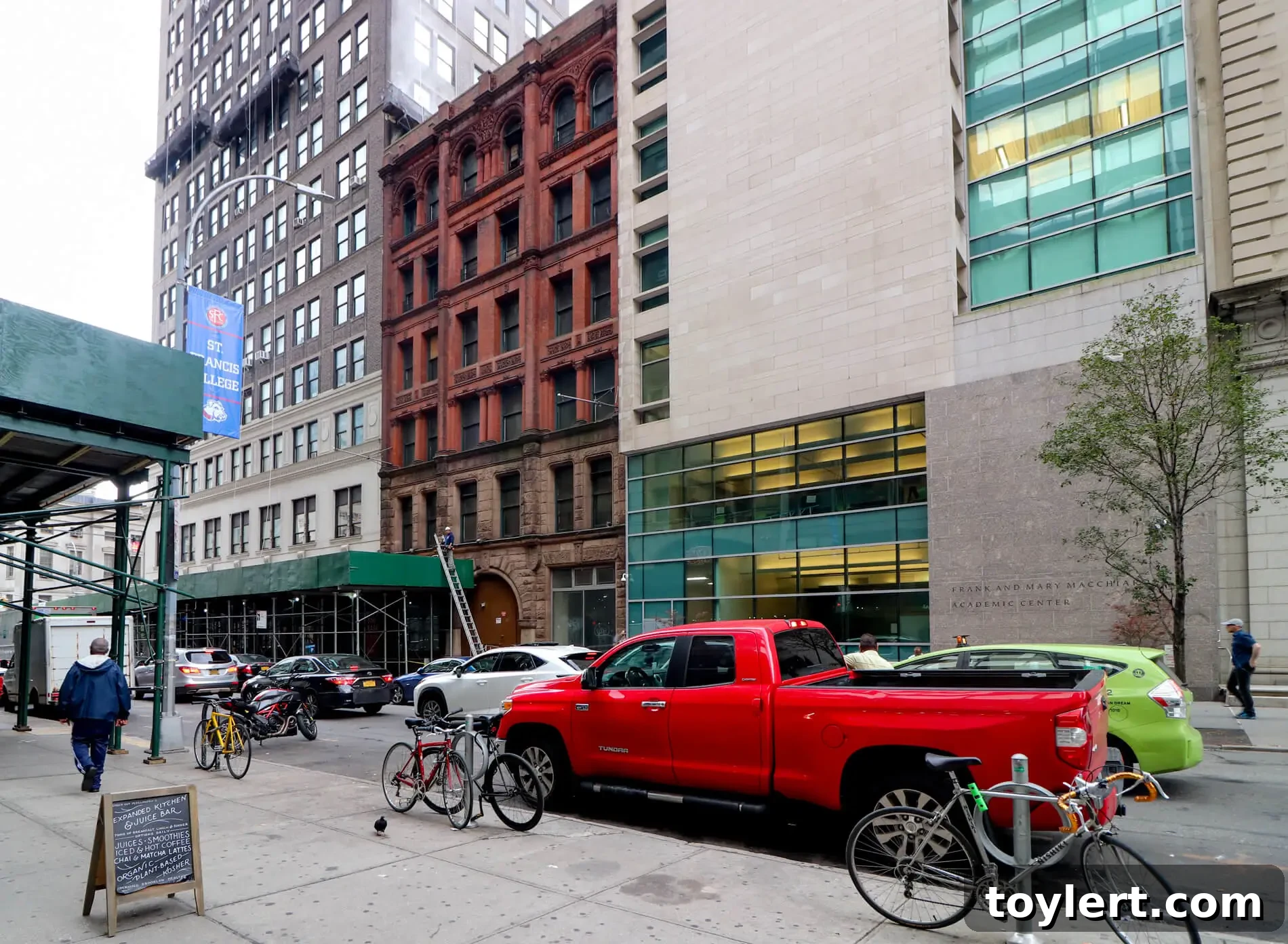
A significant development proposal is stirring conversations and concerns across Brooklyn Heights, a neighborhood renowned for its historic charm and architectural grandeur. Upventures LLC has formally pre-filed an application for a new building permit, detailing plans for an ambitious 14-story hotel at the address of 186 Remsen Street. This news, initially brought to light by New York YIMBY, immediately puts the spotlight on a site that currently houses a venerable six-story Romanesque Revival building, dating back to 1886-87, and holding the distinction of being the oldest structure within the Borough Hall Skyscraper historic district.
The prospect of a towering modern hotel in the heart of such a historically sensitive area raises complex questions about urban development, architectural heritage, and community identity. Residents, preservationists, and city planners are now faced with the challenge of balancing the demand for new infrastructure and economic growth against the imperative to protect irreplaceable historical assets that define Brooklyn Heights’ unique character.
A New Vision for 186 Remsen Street: Unveiling the Hotel Proposal
The core of the matter centers on Upventures LLC’s vision for 186 Remsen Street. While specific details regarding the hotel’s design, amenities, and exact room count are likely to emerge as the application process progresses, the sheer scale of a 14-story structure in this particular locale is what truly captures attention. Such a development would undoubtedly introduce a contemporary architectural statement into a streetscape largely defined by its 19th and early 20th-century buildings.
The developer’s pre-filed application signifies the initial, yet crucial, step in a lengthy and often scrutinized approval process for new construction in New York City. This early filing allows for preliminary reviews and sets the stage for more detailed submissions and public discourse. The ultimate aim is to create a modern lodging facility that caters to the growing number of visitors to Brooklyn, offering contemporary comfort and convenience in a prime location. However, achieving this goal without disrupting the delicate historical balance of the area will be a significant challenge.
A Glimpse into the Past: The Enduring Legacy of 186 Remsen Street
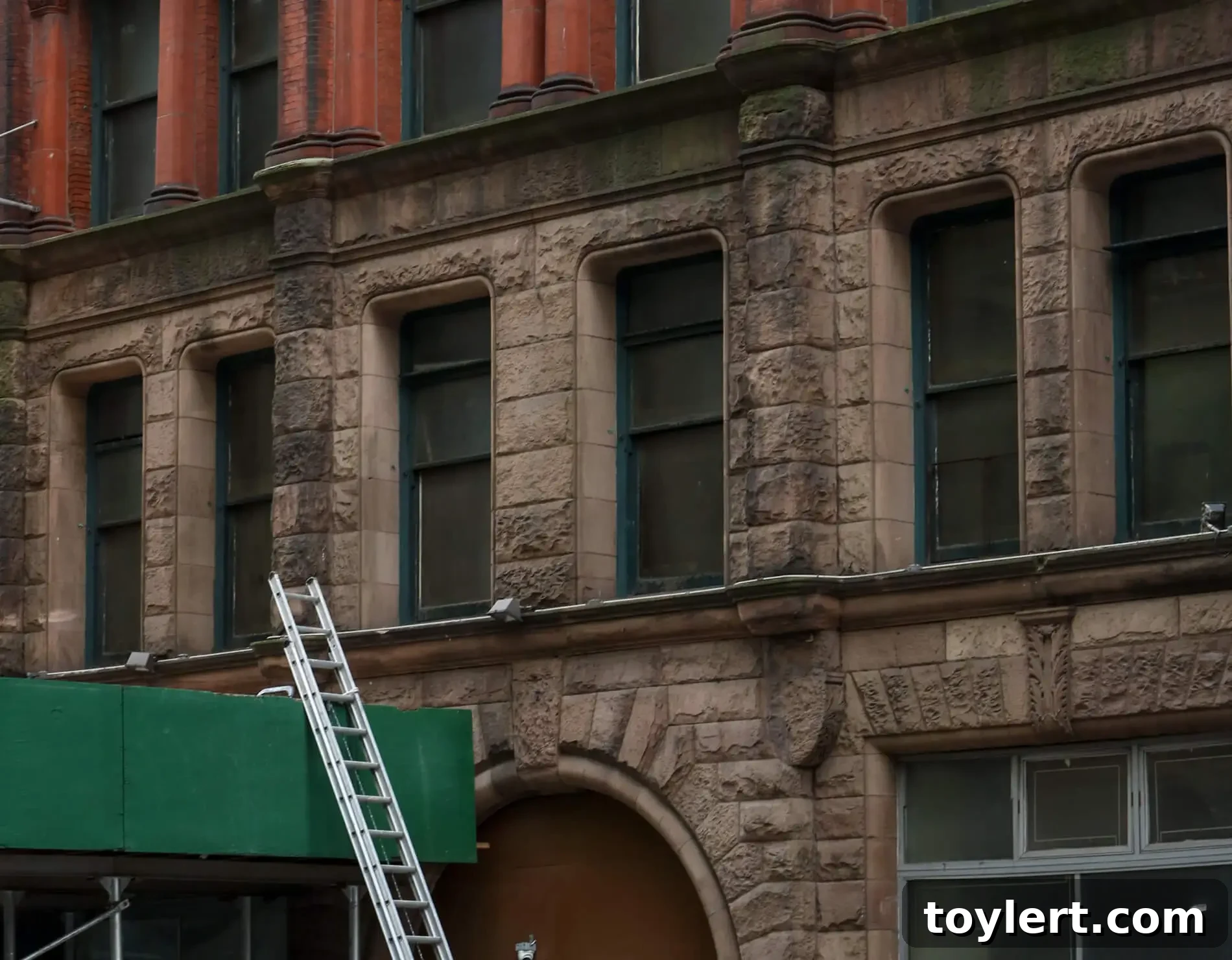
The site at 186 Remsen Street is far from an empty canvas; it is steeped in history, embodied by the existing six-story Romanesque Revival building. Constructed between 1886 and 1887, this edifice is a remarkable example of a architectural style that flourished in the late 19th century, characterized by its robust and monumental appearance.
The Romanesque Revival Gem
The Romanesque Revival style, drawing inspiration from medieval European architecture, is typically identified by its rounded arches, heavy masonry construction, often incorporating decorative brickwork, rough-faced stone, and deep-set windows. These elements contribute to a sense of solidity and permanence. The building at 186 Remsen Street, with its intricate details and robust construction, stands as a testament to the craftsmanship and architectural trends of its era. It offers a tangible link to Brooklyn’s past, reflecting the borough’s rapid growth and the aspirations of its residents in the late 19th century.
Preserving such structures is not merely about retaining old buildings; it’s about safeguarding the city’s narrative, its visual history, and the unique urban fabric that makes places like Brooklyn Heights so appealing. Each arch, each brick, tells a story of a bygone era, contributing significantly to the aesthetic and historical depth of the neighborhood.
Anchoring the Borough Hall Skyscraper Historic District
Further amplifying its significance, 186 Remsen Street holds the distinguished title of being the oldest building within the Borough Hall Skyscraper historic district. This district, established relatively recently in 2011, was created specifically to protect a concentration of historically and architecturally significant commercial and public buildings that emerged during Brooklyn’s early skyscraper boom. These structures often represent the borough’s rise as a major urban center prior to its consolidation into New York City.
The district encompasses a vital area around Brooklyn Borough Hall, featuring a unique blend of civic, commercial, and residential architecture. Its designation underscores the city’s commitment to preserving areas that tell a compelling story about urban evolution and architectural innovation. For a building to be the oldest within such a specially designated zone signifies its foundational role and irreplaceable value to the district’s overall integrity and historical narrative. Any development within or adjacent to such a district necessitates rigorous review, with particular attention paid to how new construction will respect, or potentially disrupt, the established historical context. You can learn more about the district’s history and significance here.
Navigating Development in a Protected Area: Challenges and Considerations
Developing a new 14-story hotel in an area like Brooklyn Heights, especially one that impacts a building within a historic district, is fraught with regulatory and community challenges. New York City’s Landmarks Preservation Commission (LPC) plays a pivotal role in reviewing any proposed alterations or new construction within designated historic districts. The LPC’s mandate is to protect the city’s architectural, historical, and cultural heritage, and their approval is often critical for projects of this nature.
The Intricacies of Contextual Development
A key consideration for the LPC and the broader community will be the concept of “contextual development.” How can a modern, 14-story structure be designed to integrate harmoniously with the existing low-to-mid-rise historic architecture that defines Remsen Street and its surroundings? This isn’t merely about superficial aesthetics; it involves ensuring that the new building’s massing, height, materials, and design elements acknowledge and respond respectfully to its historical neighbors. A starkly contrasting or overwhelming design could detract significantly from the district’s character and lead to strong opposition.
The developers will likely need to present a design that demonstrates a deep understanding of the district’s architectural language, even if it aims for a contemporary expression. This might involve extensive negotiations, revisions, and potentially public hearings to gather feedback and address concerns regarding the project’s visual impact, its relationship to the streetscape, and its overall suitability for the location.
The Pulse of Brooklyn Heights: Community Reactions and Future Prospects
The announcement of a potential 14-story hotel at 186 Remsen Street is expected to elicit a strong reaction from the Brooklyn Heights community. This neighborhood is known for its active resident associations and its deep commitment to historic preservation and maintaining its unique quality of life.
Preserving Neighborhood Character
Primary concerns among residents will likely revolve around the preservation of the neighborhood’s distinctive character. A 14-story building could cast significant shadows over nearby brownstones and public spaces, alter historic sightlines, and introduce a density that is perceived as incompatible with the area’s established residential feel. Increased traffic, noise, and demands on local infrastructure are also common anxieties associated with large-scale commercial developments in residential zones.
Many Brooklyn Heights residents chose the area precisely for its tranquility, its historic integrity, and its relatively low-rise charm, which offers a respite from the skyscraper-dense areas of Manhattan. The introduction of a prominent hotel could, for some, symbolize an erosion of these cherished qualities, transforming a residential enclave into a more commercialized hub.
Economic Impact and Tourism Potential
Conversely, proponents of the project might highlight the potential economic benefits. A new hotel could create numerous jobs, both during its construction phase and once operational, ranging from hospitality staff to management. It would also contribute to the local tax base and support surrounding businesses, such as restaurants, shops, and cultural institutions, through increased tourism.
Brooklyn has become a global destination, and a modern hotel in a prime location like Brooklyn Heights could cater to a growing demand for high-quality accommodation outside of Manhattan, offering visitors easy access to both boroughs and a unique neighborhood experience. The influx of tourists could further invigorate the local economy and enhance Brooklyn’s profile as a premier travel destination.
The Road Ahead: Permits, Public Hearings, and Decisions
The “pre-filed application” status marks merely the beginning of a potentially long and intricate approval process. Upventures LLC will need to submit detailed architectural plans, environmental impact assessments, and undergo various reviews by city agencies, including the Department of Buildings, the Department of City Planning, and crucially, the Landmarks Preservation Commission. There will likely be opportunities for community boards to weigh in, as well as public hearings where residents can voice their support or opposition.
The outcome will depend on a careful weighing of various factors: the economic benefits versus the preservation concerns, the architectural merits of the proposed design, and the developer’s willingness to adapt plans in response to community and regulatory feedback. This case will undoubtedly serve as a significant test of how Brooklyn balances its rapid development trajectory with its deep reverence for its historical past.
Brooklyn Heights: A Coveted Locale for Growth and Preservation
Brooklyn Heights stands as one of New York City’s most distinguished and desirable neighborhoods. Famed for its picturesque brownstone-lined streets, stunning waterfront promenade offering unparalleled views of the Manhattan skyline, and a rich history dating back to the 19th century, it consistently ranks as a top residential choice. Its proximity to Downtown Brooklyn’s burgeoning commercial hub and excellent transportation links further enhance its appeal.
This unique position, however, also places it at the forefront of the ongoing tension between preserving its historic fabric and accommodating the pressures of modern urban growth. The proposed 14-story hotel at 186 Remsen Street epitomizes this dilemma, forcing a critical examination of how new development integrates into, or clashes with, established historical contexts. The future of this site will not only impact its immediate surroundings but could also set a precedent for future development decisions across Brooklyn’s many cherished historic neighborhoods.
As the application process unfolds, all eyes will be on Brooklyn Heights. The deliberations surrounding 186 Remsen Street will undoubtedly provide a fascinating insight into the ongoing dialogue between progress and preservation, and how one of New York City’s most iconic neighborhoods navigates its path forward while honoring its profound past.