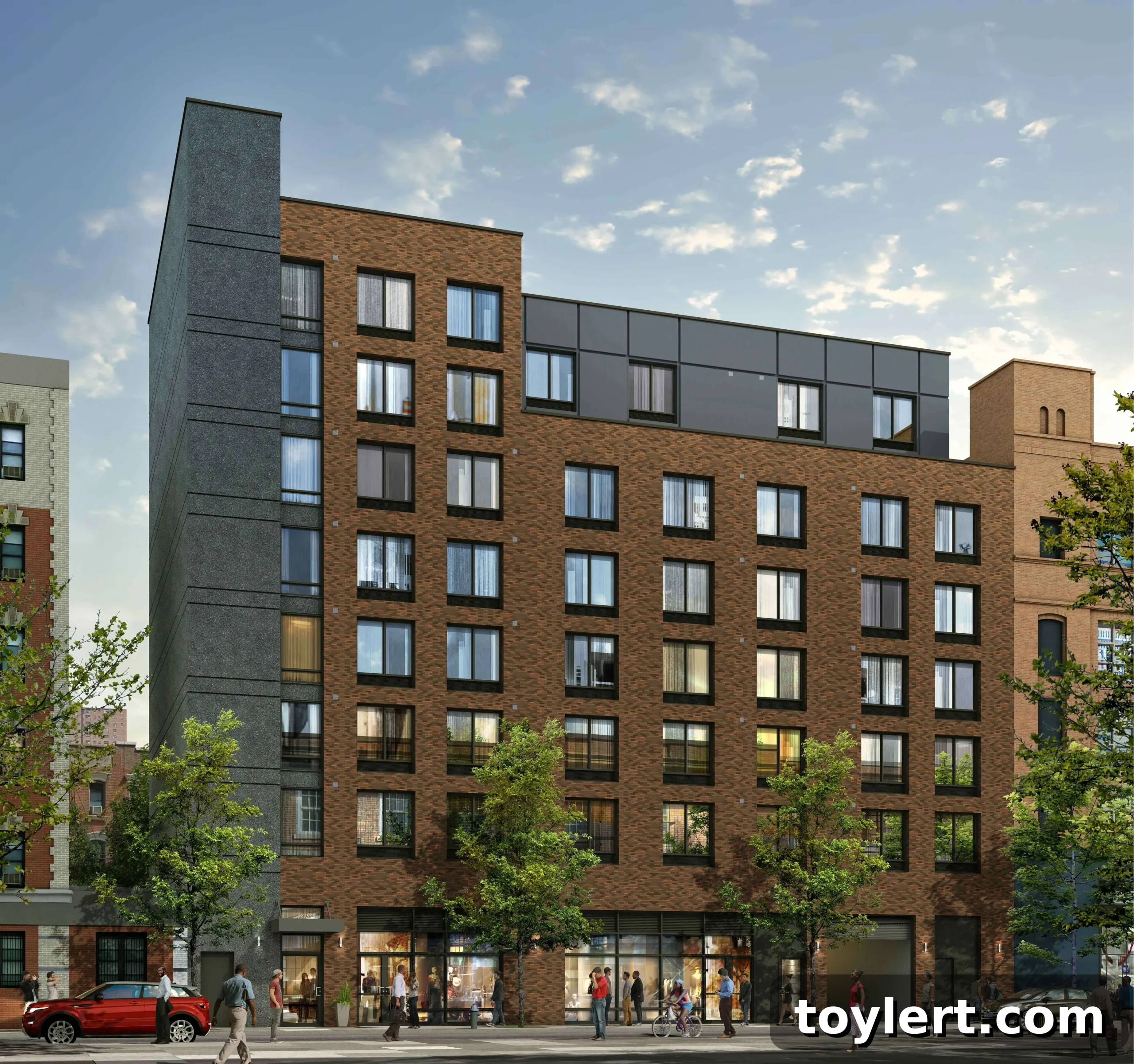
Williamsburg’s New Affordable Senior Housing Lottery at 40 Debevoise Street Unlocks Opportunity
An exceptional opportunity for seniors seeking stable and affordable living in one of Brooklyn’s most vibrant neighborhoods has emerged. A new affordable housing lottery has officially opened, presenting 44 thoughtfully designed units for eligible seniors in a modern, eight-story building located at 40 Debevoise Street. Nestled between Humboldt Street and Graham Avenue, this prime Williamsburg address offers unparalleled access to community amenities, cultural richness, and essential services, making it an ideal home for individuals aged 62 and above.
Unveiling the Affordable Housing Initiative for Seniors
This housing lottery represents a crucial effort to address the growing demand for accessible and affordable senior living options within New York City. The initiative at 40 Debevoise Street is specifically tailored to provide a secure and comfortable environment for older adults, ensuring they can thrive in their golden years without the burden of exorbitant housing costs. The building itself is designed with seniors in mind, likely featuring accessible common areas, elevators, and perhaps on-site supportive services or communal spaces that foster a strong sense of community.
The development at 40 Debevoise Street is more than just a place to live; it’s a commitment to supporting the senior population of Williamsburg. With 44 units available, this lottery provides a significant pathway for many to secure long-term, subsidized housing in an area that continues to experience rapid development and increasing living expenses. Understanding the specifics of this lottery is the first step towards unlocking a potentially life-changing opportunity.
Diverse Unit Options and Accessible Rent Structures
The available apartments cater to varying needs, comprising a mix of 26 studio units and 18 spacious one-bedroom units. These thoughtfully laid-out homes are designed to provide comfort and privacy, offering seniors a personal sanctuary within a bustling urban setting. Each unit is expected to feature modern finishes and amenities, ensuring a high quality of life for its residents.
Perhaps one of the most compelling aspects of this lottery is the innovative rent structure. Monthly rents for these affordable apartments are calculated to be 30 percent of the household’s adjusted gross income. This income-based approach ensures that housing remains genuinely affordable, aligning with the financial realities of senior households. What’s more, for households with very low incomes, rents could potentially be as low as zero dollars, providing immense relief and financial stability. The maximum monthly rent for eligible applicants is set at an accessible $1,280, making these units highly competitive within the Williamsburg rental market.
This flexible rent calculation is a cornerstone of affordable housing programs, designed to prevent seniors from spending an excessive portion of their income on housing, thereby freeing up resources for healthcare, food, and other essential needs. It underscores the program’s commitment to improving the overall well-being and financial security of its elderly residents.
Eligibility Requirements: Age, Income, and Section 8
To ensure these opportunities reach those who need them most, specific eligibility criteria have been established. Applicants must meet the following fundamental requirements:
- Age Requirement: All applicants must be 62 years of age or older at the time of application. This age restriction is standard for senior housing developments, fostering a community of peers and allowing for age-specific programming and support services.
- Section 8 Qualification: A critical component of eligibility is the requirement for applicants to qualify for the Section 8 housing program. Section 8, officially known as the Housing Choice Voucher Program, is a federal initiative designed to help very low-income families, the elderly, and the disabled afford decent, safe, and sanitary housing in the private market. Qualification typically involves demonstrating a need for rental assistance based on income and household size.
The lottery is specifically targeted at individuals and households within a maximum Area Median Income (AMI) range of 50 percent. This means that an applicant’s household income must not exceed 50% of the AMI for the New York City metropolitan area. For this particular lottery, eligible incomes range significantly, from $0 up to $51,200 annually. This broad range allows for a diverse group of low-income seniors to apply, from those with minimal income to those with fixed incomes such as Social Security and pensions.
The income limits apply to households of one to three people, reflecting the typical household sizes for senior living arrangements (single individuals, couples, or an elderly person with a dependent relative or caregiver). Applicants are strongly encouraged to thoroughly review the specific income guidelines provided on the official lottery listing to determine their eligibility accurately. Understanding these financial parameters is crucial for a successful application.
The Area Median Income (AMI) Explained
Understanding the Area Median Income (AMI) is key to navigating affordable housing lotteries. AMI is a measure set annually by the U.S. Department of Housing and Urban Development (HUD) for different metropolitan areas, including New York City. It represents the midpoint of a region’s household income distribution; half of the households in that region earn more than the AMI, and half earn less.
For this lottery, units are available to households earning up to 50% of the AMI. This tier is specifically designed for very low-income individuals and families. For example, if the AMI for a single person in NYC is $100,000, then 50% AMI would be $50,000. The specific income thresholds provided ($0 to $51,200 for 1-3 people) reflect the detailed calculations for the current year and household sizes.
The beauty of the AMI system is its flexibility in determining rent. As mentioned, rent is capped at 30% of an eligible household’s income, ensuring that housing costs are proportionate to what residents can reasonably afford, regardless of where their income falls within the eligible AMI band.
Williamsburg, Brooklyn: A Thriving Neighborhood for Seniors
The location of 40 Debevoise Street in Williamsburg adds significant value to this affordable housing opportunity. Williamsburg, once an industrial hub, has transformed into one of Brooklyn’s most sought-after neighborhoods, famous for its vibrant arts scene, diverse culinary landscape, trendy boutiques, and beautiful waterfront parks.
For seniors, Williamsburg offers a unique blend of quiet residential streets and lively commercial avenues. Residents of 40 Debevoise Street will find themselves within easy reach of:
- Public Transportation: Excellent access to subway lines (L, J, M, Z) and bus routes, providing seamless connections to Manhattan and other parts of Brooklyn. This accessibility is vital for seniors who may rely on public transit for appointments, errands, and leisure.
- Parks and Green Spaces: Numerous parks, including the popular Domino Park and Bushwick Inlet Park, offer scenic walking paths, benches, and waterfront views, perfect for relaxation and light exercise.
- Shopping and Dining: A plethora of supermarkets, pharmacies, local shops, and diverse restaurants cater to every taste and need. Seniors can enjoy everything from cozy cafes to international cuisine.
- Community Resources: Williamsburg boasts various community centers, senior centers, and healthcare facilities, ensuring that residents have access to essential services and social activities.
- Cultural Attractions: From art galleries and music venues to local markets, there’s always something happening in Williamsburg, allowing seniors to remain engaged and entertained.
The dynamic energy of Williamsburg, combined with its increasingly senior-friendly infrastructure, makes 40 Debevoise Street an incredibly desirable address for older adults looking to maintain an active and engaged urban lifestyle.
The Affordable Housing Lottery Application Process: Step-by-Step
Applying for an affordable housing lottery can seem daunting, but understanding the process can simplify it significantly. Here’s a general overview of what applicants can expect:
- Application Submission: Interested individuals must apply through NYC Housing Connect, the official online portal for affordable housing lotteries in New York City. It is crucial to create a profile and submit a complete application before the specified deadline. Accurate and truthful information is paramount.
- Lottery Drawing: Once the application period closes, a random lottery drawing takes place. Applications are typically prioritized based on various factors, including household size, current residence in the community district, and disability status.
- Documentation Request: If an application is selected in the lottery, applicants will be contacted to submit extensive documentation verifying their income, assets, household composition, and other eligibility criteria. This phase requires meticulous attention to detail and prompt response.
- Interview Process: Qualified applicants will typically undergo an interview with the building’s leasing agent or management team. This is an opportunity to review submitted documents and clarify any information.
- Credit and Background Checks: Standard credit and background checks will be conducted to assess financial responsibility and tenant history. While not the sole determinant, a reasonable credit history and positive landlord references are generally preferred.
- Unit Assignment and Lease Signing: Upon final approval, applicants will be offered a specific unit. After accepting the offer, a lease will be signed, marking the successful completion of the application process.
Applicants are strongly advised to keep all documents organized, respond promptly to all requests, and seek assistance if needed. The deadline for applications is critical; late submissions will not be considered.
Why This Opportunity Matters for Seniors in Brooklyn
The opening of this affordable housing lottery at 40 Debevoise Street is a significant event for several reasons. It offers seniors:
- Financial Relief: By capping rent at 30% of income, seniors can allocate more of their resources to healthcare, nutrition, and personal enrichment, improving their overall quality of life.
- Housing Stability: Affordable housing provides long-term stability, protecting seniors from market fluctuations and potential displacement due to rising rents.
- Community and Support: Living in a senior-focused building fosters a sense of community, reducing isolation and potentially offering access to tailored support services.
- Access to a Desirable Neighborhood: Living in Williamsburg provides a vibrant, engaging environment with excellent amenities and transportation, which can significantly enhance senior well-being.
This lottery underscores the ongoing commitment to creating inclusive communities where seniors can age with dignity, security, and access to all the opportunities New York City has to offer.
Don’t Miss Out: Apply for Your Future Home
For eligible seniors aged 62 and above who meet the income and Section 8 qualification criteria, this lottery at 40 Debevoise Street presents an invaluable chance to secure a stable, affordable, and comfortable home in one of Brooklyn’s most desirable neighborhoods. The combination of modern units, an accessible rent structure, and a vibrant community makes this an opportunity not to be overlooked.
Prospective applicants are urged to visit the official NYC Housing Connect website, create an account, and submit their application well before the deadline. Ensure all information is accurate and complete to maximize your chances of selection. This is more than just housing; it’s an investment in a secure and fulfilling future.
Take the first step towards your new home in Williamsburg today!
For more information on the application process and similar opportunities, please refer to the official housing lottery platforms.
% | % | % | % Single Page