by Olivia Seaman, Brooklyn Paper
Shaping the Future: Northside Williamsburg BID Proposal Enters Crucial Voting Phase
Williamsburg’s vibrant Northside stands at a pivotal moment. A proposal to establish a Northside Business Improvement District (BID) is now entering its most critical phase, as ballots are being distributed to property owners and businesses. Their votes will ultimately decide the future of enhanced neighborhood services and sustained community development in this dynamic Brooklyn locale.
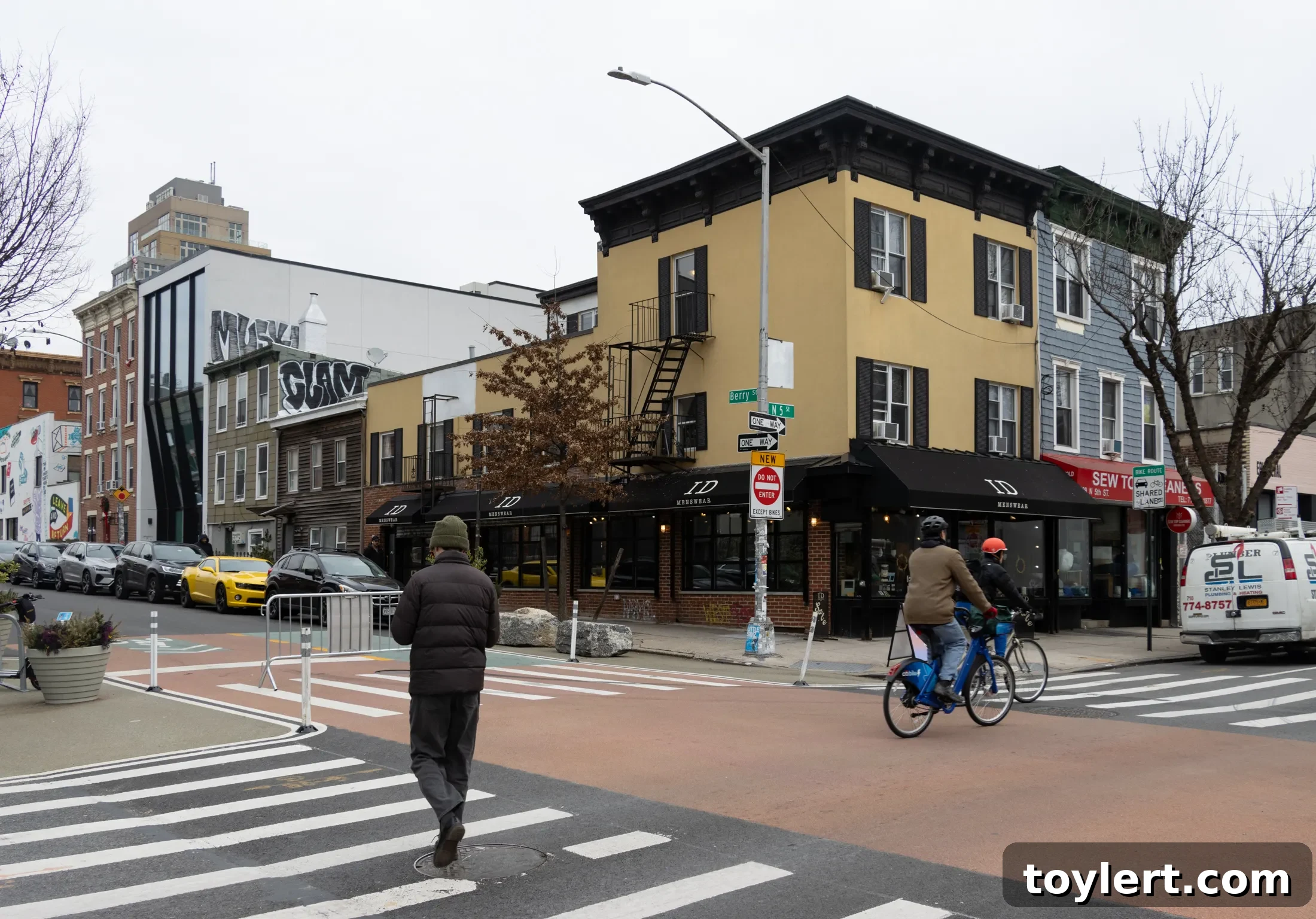
The vision for this proposed district encompasses a significant stretch of Williamsburg’s north side, specifically from North 15th Street down to Grand Street, and extending from the bustling Bedford Avenue eastward to the scenic East River. If approved by the collective vote, the BID would unlock a dedicated funding mechanism for a range of essential neighborhood enhancements. These would include daily sanitation services, proactive graffiti removal, strategic street beautification projects, and engaging community programming – all financed through a fair and transparent assessment levied on local property owners.
Understanding Business Improvement Districts (BIDs): A Framework for Progress
Before diving deeper into the specifics of the Northside Williamsburg proposal, it’s essential to grasp the fundamental concept of a Business Improvement District. A BID is a geographically defined area in which property owners agree to pay a special assessment to fund supplemental services and programs beyond those provided by the city. These services are typically designed to improve the district’s economic vitality, cleanliness, safety, and overall aesthetic appeal.
How BIDs Are Formed and Funded
The formation of a BID is a democratic and often lengthy process, requiring significant community engagement and consensus. It typically begins with a grassroots effort by local businesses and property owners who identify a shared need for enhanced services. This leads to the drafting of a district plan, outlining the proposed services, budget, and assessment methodology. In New York City, the plan must then be approved by a supermajority of property owners within the proposed district through a ballot initiative, followed by governmental approvals from the City Council and the Mayor. The Northside Williamsburg proposal is currently in this crucial balloting stage.
Funding for BIDs is generated through a special assessment on properties within the district. This assessment is usually calculated based on factors such as property frontage, assessed value, and square footage, ensuring that the burden is distributed equitably. This funding model ensures a consistent and dedicated revenue stream for local improvements, independent of fluctuating city budgets.
Common Services and Benefits Provided by BIDs
BIDs are renowned for their ability to deliver tangible benefits that directly impact the quality of life for residents, visitors, and the success of local businesses. Common services include:
- Sanitation and Maintenance: Daily street cleaning, litter removal, snow removal, and pressure washing to maintain a pristine urban environment.
- Public Safety: Supplemental security patrols, hospitality ambassadors, and crime prevention initiatives to create a safer atmosphere.
- Graffiti Removal: Prompt removal of graffiti and illegal postings to preserve the district’s visual appeal.
- Streetscape Enhancements: Installation and maintenance of public seating, planters, tree care, improved lighting, and public art installations.
- Marketing and Promotions: District-wide marketing campaigns, special events, and local business directories to attract shoppers and tourists.
- Advocacy and Planning: Acting as a unified voice for the community on issues affecting the district, and engaging in long-term planning for economic development.
These services collectively contribute to increased property values, reduced crime rates, improved pedestrian experiences, and a stronger sense of community pride, making BIDs powerful engines for urban revitalization.
The Northside Williamsburg BID: A Detailed Look at the Proposal
The proposed Northside Williamsburg BID aims to bring these transformative benefits directly to one of Brooklyn’s most dynamic neighborhoods. As highlighted by organizers at Improve Northside BK, the district boundaries are thoughtfully delineated to encompass the core commercial and residential arteries that define the area’s unique character.
Geographic Scope and Strategic Importance
Stretching from North 15th Street in the north to Grand Street in the south, and from Bedford Avenue’s vibrant commercial corridor to the tranquil East River waterfront, the proposed BID covers an expansive and diverse area. This strategic geography includes a mix of bustling retail avenues, residential blocks, burgeoning office spaces, and key public access points. Given Williamsburg’s incredible growth over the past two decades – with an influx of residents, businesses, and visitors – the need for enhanced, dedicated services has become increasingly apparent. While the city provides baseline services, a BID allows the community to fund additional, localized efforts that truly make a difference in day-to-day experiences.
Proposed Services Tailored for Northside
The services outlined in the Northside BID proposal are carefully chosen to address the specific needs and aspirations of the community. They are designed to complement, not replace, existing municipal services, creating a higher standard of urban environment:
- Daily Sanitation Crews: Beyond standard city street sweeping, dedicated crews would ensure continuous litter removal, emptying of public trash receptacles, and addressing specific cleanliness challenges unique to high-traffic areas. This proactive approach helps maintain the neighborhood’s allure and public health.
- Graffiti Removal: The proposal prioritizes rapid response to graffiti and illegal postings, preserving the architectural beauty and artistic integrity of buildings and public spaces. A cleaner environment deters further vandalism and fosters a greater sense of respect for shared spaces.
- Street Beautification: This includes initiatives such as the installation and maintenance of attractive planters, tree pit care, seasonal decorations, and improvements to public realm infrastructure. Enhancing green spaces and street furniture creates a more inviting and enjoyable pedestrian experience, encouraging residents and visitors to linger and explore.
- Community Programming: The BID would also support events and initiatives that foster a stronger sense of community. This could range from local markets and cultural festivals to educational workshops and public art installations, enriching the social fabric of the Northside.
These enhancements are not merely cosmetic; they are investments in the long-term economic stability and social cohesion of the district. A cleaner, more attractive, and more engaging environment directly benefits local businesses by increasing foot traffic and customer loyalty, and enhances the quality of life for all who call Williamsburg home.
The Critical Voting Phase: A Call to Action for Property Owners and Businesses
The proposal now rests in the hands of the very stakeholders it aims to serve: the property owners and businesses within the defined Northside BID boundaries. The organizers have initiated the balloting process, and their support is absolutely paramount to determine whether this ambitious district moves forward. This democratic exercise ensures that the community has a direct say in shaping its future.
Who Votes and Why It Matters
Ballots are being mailed to all eligible property owners and commercial tenants within the proposed district. Each vote carries significant weight, as the cumulative decision will either greenlight the formation of the BID or halt its progress. A “yes” vote signifies a belief in the power of collective action to fund and manage local improvements that exceed what the city can provide. It’s an affirmation of a shared vision for a more vibrant, cleaner, and safer Northside.
Participation in this voting process is not just a civic duty; it’s a strategic opportunity for stakeholders to invest directly in the prosperity and appeal of their immediate surroundings. The formation of a BID represents a commitment to self-determination and local control over crucial neighborhood services.
What Happens Next?
If the proposal receives sufficient affirmative votes from property owners and businesses, it will proceed through the final stages of governmental approval. Once officially established, the Northside BID would begin collecting assessments and implementing its district plan, starting with the immediate deployment of the proposed services. This transition would be managed by a dedicated BID board, composed of local stakeholders, ensuring transparent governance and accountability of funds.
Conversely, if the proposal fails to garner adequate support, the opportunity for these enhanced, BID-funded services would be put on hold, potentially for years. This underscores the urgency and importance of thoughtful consideration and participation in the current voting phase.
Beyond Cleanliness: The Broader Impact of a Northside BID
While often associated with sanitation and safety, the impact of a well-managed Business Improvement District extends far beyond basic services. A Northside BID holds the potential to be a catalyst for long-term economic growth, stronger community bonds, and a more resilient urban landscape.
Economic Vitality and Property Values
Research consistently shows that BIDs contribute to increased property values and commercial rents within their districts. A cleaner, safer, and more attractive environment naturally draws more residents, visitors, and businesses. This enhanced desirability translates into greater economic activity, supporting local enterprises and fostering a thriving commercial ecosystem. For property owners, the assessment is often seen as a smart investment that yields returns through appreciation and improved tenant satisfaction.
Community Engagement and Identity
The proposed community programming component is vital. BIDs often become central hubs for organizing events, festivals, and cultural activities that celebrate the unique identity of a neighborhood. This fosters a strong sense of place and belonging among residents, bringing people together and strengthening the social fabric of the Northside. From farmers’ markets to outdoor concerts, a BID can animate public spaces and create memorable experiences.
A Unified Voice for the District
One of the less tangible but equally important benefits of a BID is its role as a unified voice for the district. The BID organization can advocate on behalf of its members to city agencies, elected officials, and other stakeholders on issues ranging from zoning changes to transportation improvements. This collective advocacy ensures that the specific needs and concerns of Northside Williamsburg are heard and addressed at higher levels, giving the community greater influence over its future development.
Looking Ahead: Investing in Williamsburg’s Future
The Northside of Williamsburg has evolved dramatically, transforming into a global destination known for its arts, culture, culinary scene, and vibrant street life. With this growth comes the responsibility to maintain and enhance the public spaces that define its character. The proposed Northside Business Improvement District offers a proven model for achieving these goals, providing a sustainable framework for localized improvements and community empowerment.
As ballots arrive, property owners and businesses in Northside Williamsburg are encouraged to carefully consider the profound and positive impact a BID could have. This is an opportunity to actively participate in shaping a cleaner, safer, more beautiful, and economically robust future for one of Brooklyn’s most beloved neighborhoods. Their collective decision will pave the way for a more vibrant Northside for years to come.