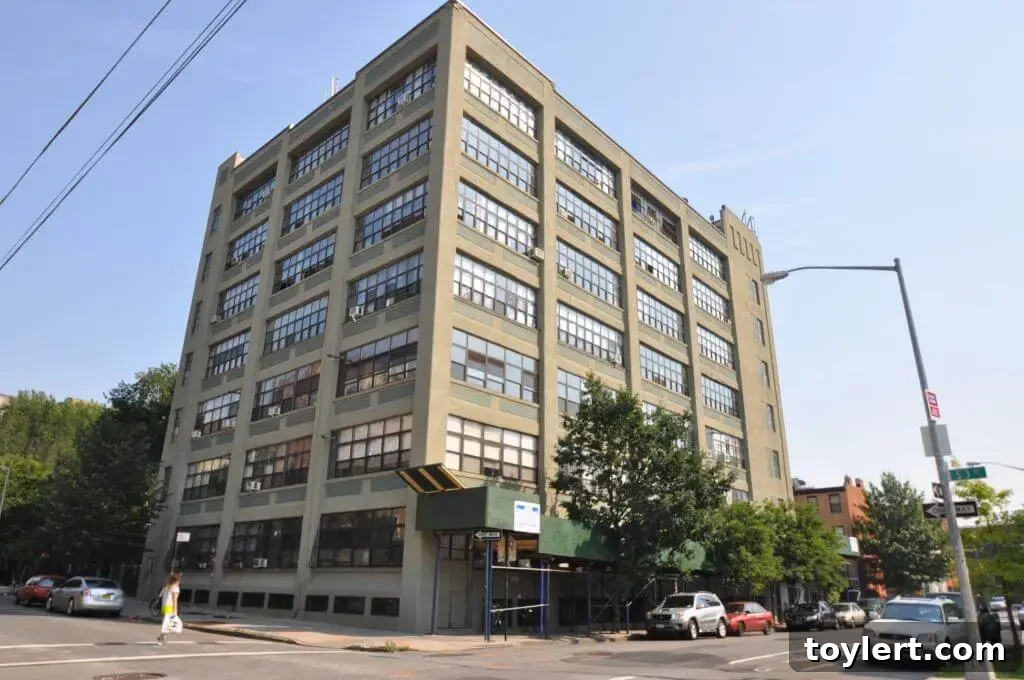
Editor’s Note: This morning, New York City’s Board of Standards and Appeals approved a special permit for the installation of a battery energy storage system at 315 Berry Street, allowing MicroGrid Networks to proceed with the Department of Buildings’ permitting process. This development marks a significant moment for urban energy infrastructure and community engagement.
NYC’s Energy Future: The 315 Berry Street Battery Storage Battle and City-Wide Implications
In the vibrant heart of Williamsburg, Brooklyn, a quiet but intense battle has been unfolding, one that pits residential tenants against the march of modern energy infrastructure. At the center of this dispute is a proposed rooftop installation of a lithium-ion battery energy storage system (BESS) at 315 Berry Street, a historic early 20th-century building. This project, spearheaded by MicroGrid Networks, represents one of the first residential battery storage installations across New York City and has ignited a fierce debate with far-reaching implications for urban development and energy policy. The recent approval by the Board of Standards and Appeals (BSA) for MicroGrid Networks to move forward with their permit applications underscores a pivotal moment, signaling a potential precedent for similar projects across the metropolis, especially as the Department of City Planning pushes forward with its proposed zoning text amendment.
The Genesis of a Conflict: 315 Berry Street’s Battery Storage Proposal
The saga at 315 Berry Street began in 2021 when residents discovered plans by MicroGrid Networks, with the landlord’s consent, to install a substantial battery energy storage system on their building’s roof. This system is designed to provide an additional 3 megawatts of power to Con Edison’s Water Street Substation, a crucial node in Williamsburg’s electricity grid, which currently operates at approximately 375 megawatts. The initiative aims to bolster the substation’s capacity, enhance grid stability, and contribute to New York City’s broader clean energy goals. However, for the tenants residing in the building, this proposal quickly transformed into a source of anxiety and organized opposition, drawing them into a protracted legal and administrative battle before the city’s Board of Standards and Appeals.
The core of the tenants’ apprehension stems from the novelty and perceived risks associated with housing large-scale lithium-ion battery technology in a residential setting. While advocates for such systems highlight their role in modernizing energy grids and integrating renewable sources, the residents express profound concerns regarding safety, particularly the potential for fire, explosion, or the release of toxic fumes. These fears are compounded by the building’s age and its proximity to densely populated residential areas, making the 315 Berry Street case a microcosm of the larger challenges New York City faces in its ambitious transition towards a greener, more resilient energy future.
NYC’s Green Mandate: The Role of Battery Energy Storage Systems
New York City is committed to an aggressive decarbonization strategy, with ambitious targets outlined in legislation like Local Law 97, which mandates significant reductions in carbon emissions from large buildings. Achieving these goals requires a multi-faceted approach, and battery energy storage systems are increasingly viewed as a critical component. BESS facilities play a vital role in balancing the intermittent nature of renewable energy sources like solar and wind power. They store excess energy during periods of high generation and discharge it during peak demand, thereby stabilizing the grid, preventing blackouts, and reducing reliance on fossil fuel-fired peaker plants.
The city’s energy infrastructure, much like its historical buildings, is aging and under increasing strain. Expanding capacity, especially in high-demand areas, is essential for continued growth and reliability. Projects like the one proposed by MicroGrid Networks at 315 Berry Street are designed to address these very challenges, offering a localized solution to enhance energy resilience. By injecting additional power into a strained substation, these systems can alleviate pressure on existing infrastructure and support the integration of more sustainable energy practices across the city. However, the deployment of such advanced technology in dense urban environments necessarily raises complex questions about siting, safety, and community acceptance.
“City of Yes”: Shaping the Future of Urban Development
The debate surrounding 315 Berry Street is inextricably linked to the Department of City Planning’s “City of Yes” initiative, particularly its proposed zoning text amendment focused on carbon neutrality. This initiative seeks to modernize the city’s zoning regulations to facilitate the construction of infrastructure necessary for a greener, more sustainable New York. Among its many provisions, the amendment aims to streamline the approval process for renewable energy installations, including battery energy storage systems, by clarifying zoning requirements and potentially reducing bureaucratic hurdles.
If the proposed “City of Yes” zoning amendment proceeds as envisioned, it could significantly alter the landscape for energy projects across the city. By creating more permissive zoning for BESS installations, the city intends to accelerate the deployment of these critical technologies. However, opponents argue that such changes could inadvertently fast-track projects without adequate consideration for community concerns or robust safety protocols, potentially leading to more situations akin to the 315 Berry Street dispute. The concern is that while the overarching goal of carbon neutrality is laudable, the specific mechanisms for achieving it must be carefully balanced with the well-being and input of the city’s diverse communities. The BSA’s decision on Berry Street thus serves as an important early indicator of how these broader policy shifts might play out on the ground, setting a precedent for future interactions between energy developers, city agencies, and local residents.
Tenant Concerns: Safety, Transparency, and Quality of Life
For the residents of 315 Berry Street, the installation of a large-scale lithium-ion battery system on their roof represents a significant threat to their safety and quality of life. Their primary concerns revolve around the inherent risks associated with lithium-ion batteries, particularly the potential for thermal runaway, leading to fires that are difficult to extinguish and can release highly toxic fumes. They cite past incidents involving BESS fires globally, emphasizing the need for extreme caution when placing such systems in residential buildings.
Beyond the immediate safety hazards, tenants also raise issues about the potential impact on their property values, the structural integrity of an early 20th-century building, and the lack of transparency and tenant involvement in the decision-making process. They argue that landlords should not be able to unilaterally approve such installations without meaningful consultation and consent from the residents directly affected. Noise pollution from cooling systems, electromagnetic field exposure, and general disruption during installation are additional concerns that contribute to the tenants’ strenuous opposition. Their fight is not merely against a specific project but against a perceived disregard for residential well-being in the pursuit of energy infrastructure development.
Developer’s Stance and Regulatory Frameworks
MicroGrid Networks, like other developers of BESS, emphasizes the critical need for these systems to enhance grid resilience and support New York City’s renewable energy transition. They typically highlight that modern BESS installations are designed with multiple layers of safety features, including advanced thermal management, fire suppression systems, and robust containment units, all engineered to meet or exceed current safety standards and codes. Developers often collaborate closely with the Fire Department of New York (FDNY) and other regulatory bodies to ensure that their designs are rigorously reviewed and approved.
New York City’s regulatory environment for energy storage systems is evolving. The FDNY, for instance, has developed specific guidelines for BESS installations, drawing on national standards and lessons learned from past incidents. These guidelines address everything from siting requirements and ventilation to fire suppression and emergency response protocols. However, applying these general standards to the unique challenges of dense urban residential buildings, especially older structures, remains a complex undertaking. The BSA, in its role, is tasked with balancing the need for energy innovation with community safety and zoning compliance, often navigating uncharted territory as new technologies emerge.
The BSA’s Decision: A Precedent for Future Projects
The Board of Standards and Appeals’ decision to approve the special permit for 315 Berry Street carries substantial weight. This approval signals that, from a zoning and regulatory perspective, the project has met the necessary criteria and safeguards, at least to proceed to the next stage of permitting with the Department of Buildings. For MicroGrid Networks, it’s a green light to continue with the detailed engineering and construction planning, validating their proposal in the eyes of a key municipal authority.
More broadly, this decision is likely to be viewed as a significant precedent. It suggests that, despite community opposition, residential rooftop BESS installations can gain regulatory approval in New York City, provided they adhere to the evolving safety and zoning standards. This outcome could embolden other developers to pursue similar projects in dense urban areas, potentially accelerating the deployment of distributed energy resources across the five boroughs. It also underscores the city’s commitment to prioritizing grid modernization and carbon reduction targets, even in the face of legitimate community concerns. The challenge now shifts to ensuring that the subsequent permitting and construction phases maintain the highest standards of safety, transparency, and community engagement, mitigating the fears that fueled the initial opposition.
The Path Forward: Balancing Innovation with Community Well-being
The case of 315 Berry Street encapsulates the inherent tension between rapid technological advancement and the imperative of community protection in a dense urban environment. As New York City continues its ambitious journey toward a sustainable energy future, such conflicts are likely to become more frequent. The critical lesson from Williamsburg is the undeniable need for robust and proactive community engagement from the outset of any such project. Transparent communication, comprehensive safety assurances, and genuine opportunities for resident input are essential to building trust and mitigating opposition.
Moving forward, policymakers and developers must prioritize not only technical feasibility and regulatory compliance but also the social license to operate. This involves going beyond minimum requirements, actively addressing specific community concerns, and exploring alternative siting options where feasible. The ultimate success of NYC’s green energy transition will depend not just on the deployment of innovative technologies like BESS, but on its ability to integrate these solutions seamlessly and equitably into the urban fabric, ensuring that progress benefits all New Yorkers without unduly burdening any single community.