Trader Joe’s Confirms Highly Anticipated Williamsburg Location: A New Era for Brooklyn Grocery Shopping
The vibrant and ever-evolving neighborhood of Williamsburg, Brooklyn, is set to welcome one of America’s most beloved grocery chains: Trader Joe’s. This highly anticipated arrival marks a significant moment for residents who have long expressed a desire for more diverse and accessible grocery options. According to initial reports by Crain’s, Trader Joe’s has officially signed a lease for an impressive 18,000-square-foot space, solidifying its commitment to North Brooklyn.
Williamsburg’s Evolving Retail Landscape Welcomes a Beloved Brand
For years, Williamsburg has been a nexus of cultural trends, culinary innovation, and community growth. Its streets buzz with an eclectic mix of long-time residents, young professionals, artists, and families, all contributing to a dynamic urban tapestry. Despite its rapid development and burgeoning population, the area has faced a relative scarcity of large-scale grocery stores that cater to diverse budgets and preferences. The news of Trader Joe’s opening is therefore met with widespread enthusiasm, promising to fill a notable void in the local retail landscape.
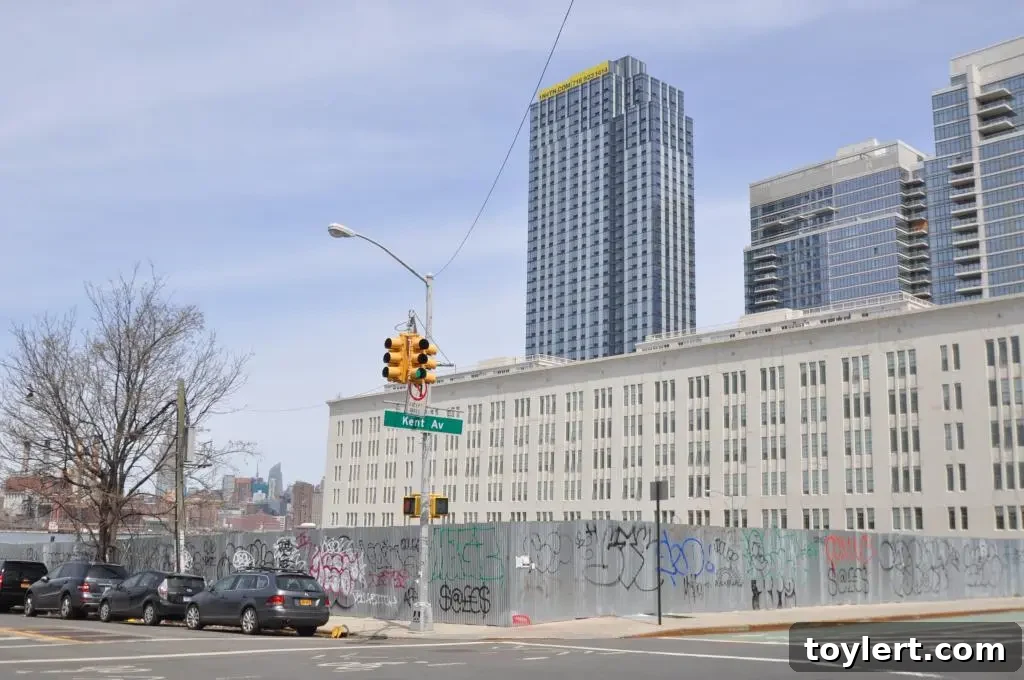
The chosen location, part of a sprawling mixed-use development, is strategically positioned at 206 Kent Avenue, nestled between North 3rd Street and Metropolitan Avenue. This prime spot ensures excellent accessibility for pedestrians, cyclists, and those utilizing public transport, making it a convenient destination for a significant portion of the neighborhood. The development itself is poised to bring additional residential units, retail spaces, and potentially other amenities, further enhancing the vibrancy of this already bustling corridor.
The Enduring Appeal of Trader Joe’s: Why Williamsburg is Ready
Trader Joe’s has cultivated a loyal following across the nation, appealing to a broad demographic range from budget-conscious students to discerning foodies. Its popularity stems from a unique blend of factors that set it apart in the competitive grocery market:
- Unique Product Selection: Shoppers flock to Trader Joe’s for its distinctive array of private-label products, many of which are organic, gourmet, or international in flavor. From “Everything But The Bagel Seasoning” to frozen cauliflower gnocchi and a constantly rotating selection of seasonal items, TJ’s offers an adventure in every aisle.
- Affordable Pricing Model: Despite its often specialty-store feel, Trader Joe’s maintains competitive pricing, making high-quality and niche food items accessible to a wider audience. This value proposition is particularly appealing in urban centers like Brooklyn, where the cost of living can be notoriously high.
- Distinctive Shopping Experience: The stores are known for their friendly staff, often clad in Hawaiian shirts, and a cheerful, community-oriented atmosphere. The smaller footprint compared to conventional supermarkets often results in a more manageable and less overwhelming shopping trip, fostering a sense of discovery rather than drudgery.
- Commitment to Quality: Emphasizing natural ingredients, minimal additives, and a strong focus on customer satisfaction, Trader Joe’s has built a reputation for reliable quality, which resonates strongly with health-conscious urban consumers.
These attributes align perfectly with the discerning tastes and practical needs of Williamsburg residents. The neighborhood’s appetite for unique, quality products at reasonable prices, combined with a preference for engaging retail experiences, makes Trader Joe’s a natural fit.
Strategic Location and Its Broader Impact on Kent Avenue
The choice of 206 Kent Avenue is not merely arbitrary; it’s a calculated move to tap into a rapidly growing residential and commercial hub. Kent Avenue itself has transformed significantly over the past decade, evolving from an industrial waterfront stretch to a vibrant thoroughfare lined with luxury residential buildings, boutique shops, and trendy eateries. The introduction of Trader Joe’s will undoubtedly serve as an anchor tenant, drawing increased foot traffic and potentially catalyzing further development in the immediate vicinity.
The mixed-use development at 206 Kent is indicative of a larger trend in urban planning, where retail, residential, and often office spaces are integrated to create self-sustaining micro-neighborhoods. This approach fosters a live-work-play environment, reducing the need for extensive travel and enhancing the overall quality of urban life. For Trader Joe’s, being part of such a development means immediate access to a built-in customer base from the residential units above and around, while also serving the wider Williamsburg community.
The Brooklyn Grocery Wars: Trader Joe’s Enters a Competitive Arena
While Williamsburg has historically lacked an abundance of major grocery chains, the landscape is quickly changing. The arrival of Trader Joe’s comes at a time when another prominent player, Whole Foods Market, is also establishing a significant presence in the neighborhood. Intriguingly, the Whole Foods store is on the verge of opening just three blocks away from the newly announced Trader Joe’s location. This proximity sets the stage for a fascinating dynamic, offering Williamsburg residents an unprecedented level of choice and potentially igniting a friendly but fierce competition for consumer dollars.
The rivalry between Trader Joe’s and Whole Foods is well-documented in other urban markets. While both cater to consumers seeking high-quality, often organic products, they operate with distinct philosophies and price points. Whole Foods is known for its extensive selection of premium and organic goods, hot food bars, and a more traditional supermarket layout, often at a higher price premium. Trader Joe’s, conversely, focuses on its private-label brand, unique specialty items, and a more curated, often smaller, store experience with an emphasis on value.
This competition is ultimately a win for the consumer. It will likely lead to greater product diversity, potentially more competitive pricing strategies, and a heightened focus on customer service from both retailers. Shoppers will have the flexibility to choose between two distinct shopping experiences, catering to different needs and budgets within a short walking distance.
Beyond the Big Players: Impact on Local Markets and Small Businesses
The entry of major chains like Trader Joe’s and Whole Foods inevitably raises questions about the impact on existing local markets and smaller grocery stores. Williamsburg is home to several independent grocers, delis, and specialty food shops that have served the community for years. While the increased competition could pose challenges, it could also spur innovation and specialization among smaller businesses.
Local markets might choose to focus on hyper-local produce, niche ethnic ingredients, or personalized services that larger chains cannot easily replicate. They may also find opportunities to partner with new residents drawn to the area by the larger developments. Ultimately, a diverse retail ecosystem, where both large chains and small businesses thrive, is often the most beneficial for a community.
Economic and Community Implications for Williamsburg
The arrival of a retailer of Trader Joe’s stature brings with it a host of economic and community implications:
- Job Creation: A new Trader Joe’s store will create numerous employment opportunities, from cashiers and stockers to management positions, providing jobs for local residents and contributing to the neighborhood’s economic vitality.
- Increased Foot Traffic and Local Business Synergy: As an anchor tenant, Trader Joe’s will draw a steady stream of shoppers to Kent Avenue. This increased foot traffic can create positive ripple effects for surrounding businesses, including cafes, boutiques, and service providers, fostering a more vibrant commercial district.
- Potential Real Estate Shifts: Major retail anchor tenants often influence commercial and residential real estate values in their vicinity. The presence of Trader Joe’s could further solidify Williamsburg’s appeal as a desirable place to live and do business, potentially impacting rental rates and property values.
- Enhanced Neighborhood Appeal: For residents, the convenience of having a Trader Joe’s nearby is a significant amenity. It enhances the overall livability of the neighborhood, making it more attractive to prospective residents and strengthening community ties around shared local resources.
Looking Ahead: What’s Next for Williamsburg’s Retail Evolution
The confirmation of Trader Joe’s and the imminent opening of Whole Foods are clear indicators of Williamsburg’s continued maturation as a prime urban destination. These developments signal a broader trend of major retailers recognizing the purchasing power and unique demographic profile of North Brooklyn. As the neighborhood continues to grow and evolve, it’s likely that more national brands, alongside thriving local businesses, will seek to establish a presence.
The transformation of the Williamsburg waterfront, with its new parks, residential towers, and commercial spaces, provides fertile ground for further retail innovation. Residents can anticipate a future where convenience, variety, and quality are increasingly central to their daily lives, all within the dynamic and culturally rich fabric of their beloved neighborhood.
Conclusion: A Welcome Addition to North Brooklyn
The news of Trader Joe’s securing an 18,000-square-foot lease at 206 Kent Avenue is more than just another store opening; it’s a testament to Williamsburg’s enduring appeal and its continuous evolution. This highly anticipated addition promises to bring its signature blend of unique, affordable, and quality products to a community that has long craved more diverse grocery options. Alongside its competitors, Trader Joe’s is set to redefine the shopping experience in North Brooklyn, offering convenience, variety, and a touch of its distinctive charm. For hipsters and “normals” alike, the wait for Trader Joe’s in Williamsburg is almost over, ushering in an exciting new chapter for grocery shopping in the heart of Brooklyn.