Mastering Window Treatments: A Historical Guide to Elevating Your Old Home’s Style and Functionality
For deeper insights into specific elements of this topic, you can also explore Part 2, Part 3, Part 4 and Part 5 of this captivating series.
For enthusiasts of vintage homes, with their myriad architectural styles and rich historical narratives, the journey of furnishing and decorating presents a unique set of delightful, yet often challenging, decisions. The core dilemma frequently revolves around striking the right balance: should one adhere strictly to a period-authentic aesthetic, embrace a contemporary sensibility aligned with 21st-century living, or forge a distinctive path with an eclectic blend of old and new? Throughout this column, we frequently delve into the historical context of various elements within our homes – the very things we ponder over and invest significant resources in, from bathrooms and kitchens to lighting, floors, and ceilings. Today, our focus turns to window treatments. By exploring their evolution and original applications, we can gain invaluable perspective to inform our modern choices, ensuring both beauty and practicality in our cherished spaces.
The Essential Role of Window Treatments: Beyond Mere Decoration
Window treatments are far more than simple decorative accessories; they are fundamental components that contribute significantly to a home’s comfort, privacy, and overall ambiance. From a purely practical standpoint, they serve multiple crucial functions:
- Protection from the Elements: They act as a vital barrier against the vagaries of weather, shielding interiors from driving rain, strong winds, and the extreme temperatures of both summer and winter. In colder months, they help mitigate drafts and retain warmth, while in summer, they block harsh sunlight and reduce heat gain, contributing to a more stable indoor climate and potentially lowering energy bills.
- Ensuring Privacy: In an increasingly crowded world, window treatments offer essential privacy from external onlookers, allowing inhabitants to control visibility into their personal spaces.
- Light Management: They provide granular control over natural light, enabling residents to welcome abundant sunshine, filter harsh glare, or achieve complete darkness as needed. This not only enhances comfort but also protects furniture, flooring, and artwork from sun-induced fading.
- Pest Control: Screens, a specific type of window treatment, are indispensable for keeping insects, flying pests, and unwelcome crawling creatures out while allowing fresh air to circulate.
- Sound Dampening: Heavier window treatments, such as drapes, can also offer a degree of sound insulation, reducing external noise and creating a quieter indoor environment.
Beyond these practical considerations, window treatments are powerful aesthetic tools. They infuse rooms with beauty, adding layers of texture, color, and pattern that can dramatically alter the mood and character of a space. By “window treatments,” we encompass everything within or around the window opening designed to fulfill these functions. This broad category includes shutters, shades, blinds, screens, awnings, curtains, drapes, and even decorative elements like valances and cornices.
A Historical Panorama: The Evolution of Window Coverings
To truly appreciate the window treatments of today, it’s illuminating to trace their journey through history. What began as rudimentary coverings for protection evolved into sophisticated elements of interior design, reflecting societal changes, technological advancements, and shifting aesthetics.
Early Forms and Ancient Civilizations
In ancient times, window coverings were primarily functional. Early human dwellings might have used animal hides, woven mats, or heavy cloths to block out cold, sun, or intruders. As civilizations progressed, the need for light, air, and protection became more nuanced. In Roman villas, simple fabric panels or wooden shutters were used, laying the groundwork for more complex solutions.
Medieval and Renaissance Grandeur
During the Medieval period, windows were often small and sometimes unglazed. Heavy tapestries and fabric hangings served dual purposes: providing insulation against drafts in draughty castles and homes, and adding warmth and decoration. As windows grew larger and glass became more common in the Renaissance, elaborate drapes began to appear, signifying wealth and status. Rich velvets, silks, and brocades, often adorned with intricate embroidery, were used to create a sense of opulence and to control light in grand chambers.
17th and 18th Centuries: Opulence and Formality
The Baroque and Rococo eras saw window treatments reach new heights of extravagance. Curtains became highly decorative, featuring elaborate swags, jabots, pelmets, and valances, often embellished with fringe, tassels, and intricate passementerie. Fabrics remained luxurious, with patterns reflecting the artistic trends of the time. This period emphasized a sense of formality and grandeur, with window dressings carefully coordinated with other furnishings to create a cohesive, often overwhelming, display of wealth and taste.
The Victorian Era: Layering and Functionality
The 19th century, particularly the Victorian era, embraced a philosophy of maximalism. Window treatments became incredibly layered, often featuring multiple sets of drapes, sheers, lace curtains, and blinds. Functionality also gained importance; roller blinds and Venetian blinds became more common, offering versatile light control and privacy. Materials ranged from heavy velvets and damasks to delicate lace and chintz, catering to different rooms and social conventions. The emphasis was on comfort, warmth, and an almost theatrical presentation of domesticity.
20th Century: Modernism and Practicality
The turn of the 20th century brought a gradual shift towards simpler, more functional designs. Movements like Arts & Crafts advocated for honesty in materials and craftsmanship, leading to less ornate, more streamlined window coverings. Art Deco introduced geometric patterns and luxurious yet clean lines. Mid-Century Modern design embraced minimalism, focusing on natural light, unadorned windows, or simple, understated shades and blinds. The development of new materials and manufacturing techniques made a wider array of affordable and practical options available to the average homeowner, from aluminum blinds to synthetic fabrics.
A Comprehensive Look at Contemporary Window Treatment Types
Today, the market offers an astounding variety of window treatments, each with its unique characteristics, historical roots, and functional benefits. Understanding these types is key to making informed decisions for your home:
Shutters: Timeless Elegance and Durability
Historically used for security and light control on the exterior of homes, interior shutters have evolved into a classic and enduring window treatment. They consist of a rigid frame with operable louvers (slats) that can be tilted to adjust light and privacy.
- Plantation Shutters: Characterized by wider louvers, offering a more contemporary yet traditional look. Available in wood, composite, or vinyl, they are excellent for insulation, light control, and durability.
- Café Shutters: Cover only the bottom half of a window, providing privacy while allowing ample light into the upper portion.
- Benefits: Exceptional durability, excellent insulation, superior light control, and a timeless aesthetic that complements various architectural styles.
Shades: Versatility in Fabric and Function
Shades are typically made from a continuous piece of fabric or woven material that can be raised or lowered to cover the window. They offer a softer look than blinds or shutters.
- Roman Shades: Known for their elegant, crisp folds when raised, creating a sophisticated layered look. Available in a vast array of fabrics, colors, and patterns, offering both decorative appeal and effective light control.
- Roller Shades: Simple, sleek, and highly versatile. They roll up neatly into a headrail, offering a minimalist aesthetic. Available in various opacities, including sheer, light-filtering, and blackout, making them suitable for any room.
- Cellular (Honeycomb) Shades: Designed with a unique honeycomb structure that traps air, providing superior insulation and energy efficiency. They are lightweight, available in single, double, or triple cell configurations, and excellent for noise reduction.
- Woven Wood Shades: Crafted from natural materials like bamboo, reeds, or grasses, these shades add organic texture and a warm, earthy feel to a room. They filter light beautifully, creating a diffused glow.
- Pleated Shades: Similar to cellular shades but without the honeycomb structure, offering a clean, accordion-like fold and a streamlined appearance.
Blinds: Precision in Light and Privacy Control
Blinds are characterized by their horizontal or vertical slats (or “louvers”) that can be tilted to manage light and privacy, or fully raised to clear the window.
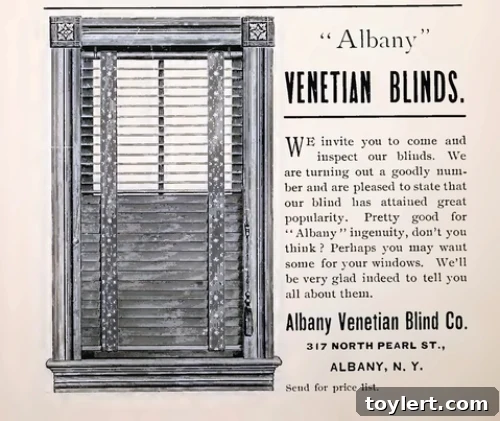
- Venetian Blinds: The classic horizontal blind, typically made from wood, faux wood, or aluminum. Their adjustable slats provide precise control over incoming light and offer a clean, functional look.
- Vertical Blinds: Ideal for large windows and sliding glass doors, these blinds feature vertical slats that traverse and rotate, offering excellent coverage and light management.
- Mini Blinds: A more compact version of Venetian blinds, usually made of aluminum, offering a cost-effective and practical solution for smaller windows.
- Material Options: Wood blinds offer warmth and a natural aesthetic, faux wood provides durability and moisture resistance (great for bathrooms), while aluminum blinds are lightweight and budget-friendly.
Curtains and Drapes: Fabric’s Embrace
These fabric-based treatments add softness, color, and texture, significantly influencing a room’s character. The terms are often used interchangeably, but generally, drapes are more formal, heavier, and often lined.
- Curtains: Typically lighter, unlined or lightly lined fabric panels. They often hang to the windowsill or just below and can be less formal. Styles include café curtains (covering the lower half), tier curtains, and sheer curtains, which offer diffused light and a degree of privacy. Common materials include cotton, linen, and voile.
- Drapes (Draperies): Heavier, often lined (or even interlined for maximum insulation and light blockage), and usually extend to the floor. They contribute a more formal and luxurious feel. Various heading styles (pinch pleat, goblet pleat, grommet, rod pocket) create different aesthetics. Materials like velvet, silk, brocade, and heavy cotton are popular. Drapes are excellent for thermal insulation and complete blackout.
Screens and Awnings: External Solutions
- Screens: Essential for allowing fresh air in while keeping insects out. Modern screens can be virtually invisible or retractable for aesthetic flexibility.
- Awnings: External fabric or metal structures that extend over windows to provide shade, reduce solar heat gain, and protect from rain. They are excellent for energy efficiency, especially on south-facing windows.
Decorative Top Treatments: Finishing Touches
Elements like valances, swags, cornices, and pelmets are primarily decorative, used to conceal hardware, add a touch of formality, or introduce additional style and color to the top of a window opening. They can be used alone or in conjunction with other treatments.
Choosing the Perfect Window Treatment for Your Home
With such a rich history and diverse array of options, selecting the right window treatments for your home, especially an older one, requires thoughtful consideration:
- Respect Architectural Style: For old homes, consider period-appropriate options. A Victorian brownstone might call for layered drapes and lace, while an Arts & Crafts bungalow would better suit simple, natural woven shades or unadorned wooden blinds.
- Prioritize Functionality:
- Privacy Needs: How much privacy does the room require? Blackout shades for a bedroom, sheer curtains for a living room.
- Light Control: Do you need complete darkness, diffused light, or the ability to maximize natural light?
- Energy Efficiency: Are insulation and draft reduction key concerns? Cellular shades or lined drapes are excellent choices.
- Durability and Maintenance: Consider the room’s use (e.g., moisture-resistant options for bathrooms and kitchens) and your willingness to clean.
- Harmonize with Interior Aesthetics: Window treatments are an integral part of your decor. Choose colors, patterns, and textures that complement your existing furnishings, wall colors, and overall design scheme. They can introduce a pop of color, add a layer of texture, or subtly blend into the background.
- Assess Your Budget: Prices vary widely across types, materials, and customization levels. Establish a budget early in the process.
- Consider Smart Home Integration: For modern convenience, many blinds and shades are now available with motorization and smart home compatibility, allowing for scheduled operation or control via voice commands.
Conclusion: Weaving History and Modernity into Your Windows
Window treatments represent a fascinating intersection of history, functionality, and aesthetic expression. From their humble beginnings as basic protections against the elements to their sophisticated modern iterations, they have continually adapted to meet evolving human needs and design sensibilities. For those of us who cherish old houses, understanding this rich lineage allows us to make choices that not only honor the home’s past but also enhance its present-day comfort and beauty.
Whether you opt for the classic charm of shutters, the sleek efficiency of shades, the precise control of blinds, or the luxurious drape of fabric, each choice contributes to the unique character of your living space. By carefully considering the historical context, practical requirements, and aesthetic aspirations, you can select window treatments that truly elevate your home, making it a sanctuary that is both stunning to behold and perfectly suited to 21st-century living. Invest in informed decisions, and let your windows become captivating focal points that tell a story of timeless style and thoughtful design.