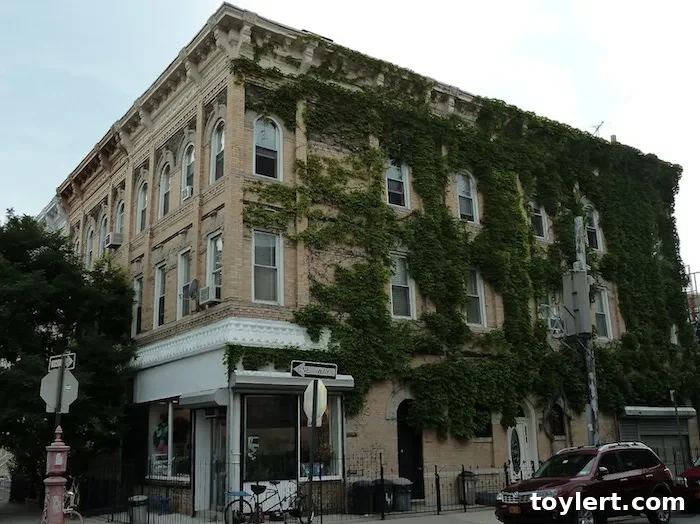
Brooklyn’s Dynamic Pulse: Navigating Development, Culture, and Community Life
Brooklyn, a borough perpetually in motion, continues to redefine itself at a breathtaking pace. From towering new developments reshaping skylines to cherished local establishments facing the tides of change, and from vibrant art scenes to essential community services, the daily narrative of Brooklyn is one of constant evolution. This snapshot delves into some of the most compelling stories emerging from its diverse neighborhoods, offering a glimpse into the challenges, triumphs, and unique character that define life in this iconic New York City borough.
The spirit of Brooklyn is embodied in its ability to adapt and innovate, while simultaneously battling to preserve its distinct identity. Every corner, from the bustling streets of Williamsburg to the serene avenues of Prospect Lefferts Gardens and the vibrant stretch of Brighton Beach, contributes a unique thread to the borough’s rich tapestry. Understanding these developments is crucial for anyone keen to grasp the real estate trends, cultural shifts, and community dynamics that are continually shaping one of the world’s most fascinating urban landscapes.
Urban Transformation and Real Estate Dynamics Across Brooklyn
Brooklyn’s real estate market remains a hotbed of activity, reflecting both an insatiable demand for housing and commercial space, alongside ongoing debates about preservation and progress. Recent headlines underscore this multifaceted environment, from the elusive promise of a beloved grocery chain to significant construction booms that are altering the very fabric of neighborhoods.
Prospect Heights’ Quest for Amenities and Development Realities
The much-anticipated arrival of a Trader Joe’s in Prospect Heights has been a topic of fervent discussion for residents eager for new grocery options. However, reports suggest that a Trader Joe’s is probably not coming to Prospect Heights, dashing hopes for many in the community. This situation highlights the complex interplay between community desires, commercial real estate availability, and the strategic decisions of large retailers. While the dream of a Trader Joe’s may be deferred, the underlying need for diverse and accessible retail options in burgeoning residential areas remains a pressing concern for residents and local planners alike, reflecting a broader trend of communities seeking enhanced amenities as their populations grow.
Williamsburg’s Architectural Evolution: Balancing History with Modernity
Williamsburg, a neighborhood synonymous with rapid transformation, continues to grapple with balancing its industrial past and unique character with relentless modern development. A particularly notable point of contention revolves around a glass building on Williamsburg’s only historic block receiving a Landmarks Preservation Commission nod. This decision sparks important conversations about architectural integration and the interpretation of “historic.” As developers push the boundaries of design, preservationists and community members often find themselves in a delicate dance to ensure new constructions respect the aesthetic and historical integrity of their surroundings, particularly in areas with designated heritage status. The approval signals a potential shift in how new developments interact with historic districts, inviting a deeper look into contemporary architectural influences on Brooklyn’s venerable streetscapes.
Contested Towers and the Growth of Prospect Lefferts Gardens
Further south, in Prospect Lefferts Gardens, the landscape is visibly changing as a contested tower project is now rising. This development is a prime example of the ongoing tensions between urban expansion and community concerns about gentrification, displacement, and the preservation of neighborhood character. Long-time residents often voice worries about increased density, strain on local infrastructure, and the potential loss of affordability that large-scale projects can bring. The rise of such structures symbolizes Brooklyn’s broader housing crisis and the city’s imperative to accommodate a growing population, even as it confronts vocal resistance from local groups advocating for more sustainable and community-centric development models. These projects are not merely buildings; they are focal points for ongoing dialogues about the future of diverse urban communities.
Citywide Construction Boom: A Sign of Economic Vitality and Housing Needs
On a grander scale, the entire city is experiencing a significant surge in construction, with residential construction citywide jumping 50 percent. This remarkable increase points to robust economic activity and an urgent need to address the city’s persistent housing shortage. While new construction provides much-needed homes, it also raises questions about affordability, gentrification, and the impact on existing communities. The sheer volume of new units coming online reshapes neighborhoods, affects local economies, and contributes to the ever-evolving demographic makeup of New York City. This boom is a double-edged sword, signaling growth and opportunity while simultaneously posing challenges related to equitable development and preserving the unique cultural fabric of each district.
Vibrant Community Life, Culture, and Urban Infrastructure
Beyond the concrete and glass, Brooklyn’s heart beats with a dynamic cultural scene and a commitment to sustainable urban living. Community initiatives, art programs, and infrastructure advancements continue to enhance the quality of life for its residents.
Art and Creativity Flourish in Greenpoint and Beyond
The borough’s creative pulse remains strong, with epic art crawls coming to Greenpoint and the Lower East Side. These events serve as vital platforms for local artists, transforming neighborhoods into open-air galleries and fostering a deeper connection between art and the community. Art crawls not only celebrate artistic talent but also drive foot traffic to local businesses, creating a symbiotic relationship between cultural expression and economic vitality. They underscore Brooklyn’s reputation as a global hub for creativity and innovation, attracting art enthusiasts and providing accessible cultural experiences for all. These events are integral to maintaining the borough’s vibrant and eclectic spirit.
CitiBike’s Impact: Safety and Sustainable Urban Commuting
As New Yorkers increasingly turn to cycling for commuting and recreation, the safety of urban infrastructure becomes paramount. An insightful analysis reveals that most of the safest CitiBike stations are located in Brooklyn. This data-driven observation is significant for urban planning and public health, highlighting areas where cycling infrastructure and traffic patterns contribute to a safer riding experience. It encourages continued investment in protected bike lanes and thoughtful urban design to expand safe cycling options across the city. The popularity and safety of CitiBike stations in Brooklyn reflect a broader commitment to sustainable transportation and a healthier, more active urban lifestyle, showcasing how data can inform improvements in city living.
Culinary Delights and the Entrepreneurial Spirit of Brooklyn
Brooklyn’s food scene is as diverse and dynamic as its population, constantly evolving with new culinary ventures and the occasional farewell to beloved institutions. From opulent gourmet markets to independent purveyors, the borough’s gastronomic landscape is a testament to its entrepreneurial energy.
Brighton Beach Welcomes a New Gourmet Destination
Brighton Beach, known for its rich cultural tapestry, has welcomed a new addition to its culinary offerings: Gourmanoff, an opulent new gourmet market, is now open. This high-end establishment brings a fresh wave of specialty foods and luxury provisions to the neighborhood, catering to a sophisticated palate. The opening of Gourmanoff signifies the continued diversification of Brooklyn’s retail landscape and the increasing demand for unique, quality food experiences across its communities. It also represents a significant investment in local commerce, providing jobs and attracting shoppers from both within and beyond Brighton Beach, further solidifying the neighborhood’s reputation as a destination for distinct cultural and culinary experiences.
South Slope Market Temporarily Closes for Seasonal Break
Community markets play a crucial role in local food systems and neighborhood life. In the South Slope, the P.S. 295 Market, a popular spot for fresh produce and local goods, has closed until September 11. Seasonal closures are a regular part of many farmer’s markets, allowing vendors and organizers to prepare for the fall harvest and the resumption of bustling market days. These markets are more than just places to buy food; they are community hubs, fostering connections between local farmers and urban consumers, and providing access to fresh, healthy produce. Their temporary absence is often felt, but eagerly anticipated returns signify the seasonal rhythms of sustainable living in New York City.
Pacifico’s Fine Foods: A Niche Purveyor on Franklin Avenue
Franklin Avenue in Brooklyn continues to be a vibrant corridor for independent businesses and specialty shops. The opening of Pacifico’s Fine Foods, offering fresh fish, adds another layer to the borough’s diverse culinary landscape. Businesses like Pacifico’s cater to specific demands, providing high-quality, often locally sourced products that differentiate them from larger grocery chains. These establishments are crucial for maintaining the unique flavor and character of Brooklyn’s shopping districts, reflecting a growing consumer preference for artisanal and specialized goods. Pacifico’s arrival underscores the entrepreneurial spirit that thrives in Brooklyn, where niche markets find fertile ground for growth and community support.
Bedford Slims: Brooklyn’s Own Vapourette Company
Innovation also takes root in unexpected industries within Brooklyn. Greenpoint is home to Bedford Slims, Brooklyn’s own vapourette company. This venture highlights the borough’s capacity for fostering new businesses in emerging markets, even those as modern and sometimes controversial as vaping. The presence of such a company within Brooklyn reflects the entrepreneurial drive that underpins much of its economic activity, where local brands and start-ups can carve out a distinct identity. It also speaks to the diverse and ever-evolving consumer landscape, with businesses responding to new trends and preferences among the borough’s residents, showcasing Brooklyn’s role as a microcosm of broader societal shifts.
The Brooklyn Ale House Closes: A Farewell to a Neighborhood Fixture
Amidst new openings and rising towers, Brooklyn also experiences the bittersweet farewells to long-standing establishments that have become integral to their communities. The closure of The Brooklyn Ale House, closing on August 27, marks the end of an era for many patrons. The closure of a beloved bar or restaurant often symbolizes the challenges faced by independent businesses—rising rents, changing demographics, and evolving consumer tastes. Such closures are not merely the loss of a business but the loss of a community gathering place, a repository of memories, and a significant piece of a neighborhood’s identity. It serves as a poignant reminder of the relentless forces of change at play in a rapidly gentrifying borough, where tradition often contends with progress.
Conclusion: The Enduring Spirit of Brooklyn
These stories, individually and collectively, paint a vivid picture of Brooklyn as a borough in constant flux. It’s a place where the desire for modern amenities clashes with the imperative of historic preservation, where community-led initiatives flourish alongside large-scale urban development, and where local businesses, both new and old, contribute to a rich and diverse economic tapestry. Brooklyn continues to be a crucible of innovation, culture, and community spirit, facing its challenges with resilience and celebrating its unique character with unwavering pride. As it continues to evolve, the conversations around its development, its cultural landscape, and the well-being of its residents will undoubtedly remain as dynamic and captivating as the borough itself.
Photo by Jeff Reuben