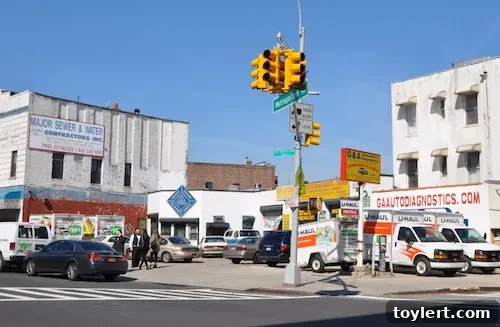
Demolition Signals New Era for Prime Williamsburg Corner at 291 Metropolitan Avenue
A significant shift is on the horizon for one of Williamsburg’s most sought-after intersections. The New York City Department of Buildings (DOB) has officially issued demolition permits for the existing structure at 291 Metropolitan Avenue, strategically located at the corner of Roebling Street. This pivotal development marks the beginning of a new chapter for a property that has long served as a one-story garage, now poised for a complete transformation in the heart of North Brooklyn.
The site, identified as 291 Metropolitan Avenue, boasts an exceptionally desirable footprint that includes extensive frontage not only on Metropolitan Avenue and Roebling Street but also extends to North 4th Street. This corner parcel represents a rare opportunity in a densely developed neighborhood, offering ample space and visibility for future construction. According to detailed property records from PropertyShark, the expansive lot spans an impressive 6,825 square feet, providing a substantial canvas for developers looking to contribute to Williamsburg’s dynamic urban landscape.
Unlocking Potential: A Prime Development Site in Williamsburg
The decision to demolish the current structure at 291 Metropolitan Avenue is a clear indicator of the intense demand for new, modern spaces in Williamsburg. Historically, this property’s function as a one-story garage in such a prime location represented an underutilization of valuable land. With the issuance of demolition permits, the stage is set for a redevelopment that aligns more closely with the evolving character and needs of this vibrant Brooklyn community. The strategic location, at the nexus of three prominent streets, ensures high foot traffic and visibility, making it an ideal spot for either residential, commercial, or mixed-use development.
Williamsburg continues to be a magnet for both residents and businesses, driven by its rich cultural scene, diverse dining options, trendy boutiques, and excellent connectivity to Manhattan. The area has undergone a dramatic transformation over the past two decades, evolving from an industrial hub into one of New York City’s most sought-after neighborhoods. Developers are constantly seeking opportunities to introduce new housing, retail, and community spaces that cater to its growing population and economic vitality. The redevelopment of 291 Metropolitan Avenue will undoubtedly be a key project watched closely by stakeholders across the real estate sector.
Navigating NYC’s Complex Development Landscape
It is important to note that the path to developing a property in New York City is often complex and involves multiple stages of review and approval. While demolition permits have been granted, previous efforts to redevelop this specific site faced challenges. In January, the Department of Buildings notably disapproved a building application for a “five story and cellar brick building” which had proposed a total of 27 units. The reasons for such disapprovals can vary widely, ranging from non-compliance with zoning regulations, architectural design issues, environmental impact concerns, or other technical requirements set forth by the city.
This previous setback underscores the intricate regulatory environment developers must navigate in NYC. Zoning laws, for instance, dictate the permissible uses, density, and height of buildings on a given lot, influencing everything from Floor Area Ratio (FAR) to setback requirements. For a site like 291 Metropolitan Avenue, with its generous 6,825 square feet, understanding and optimizing for these regulations will be crucial for any new building proposal. Developers must meticulously plan to ensure their projects meet all municipal codes while also maximizing the site’s potential for its “highest and best use.”
The Future Vision for 291 Metropolitan Avenue
With the demolition now imminent, speculation naturally turns to what will rise in place of the old garage. Given the location and lot size, a mixed-use development appears to be a highly probable and desirable outcome. Such a project could seamlessly integrate ground-floor retail or commercial space, serving the vibrant street life of Metropolitan Avenue and Roebling Street, with residential units above. This model not only provides much-needed housing but also contributes to the neighborhood’s commercial vibrancy and economic diversity.
The demand for residential units in Williamsburg remains robust, particularly for properties that offer modern amenities, thoughtful design, and convenient access to transportation and local attractions. A new development at 291 Metropolitan Avenue could potentially feature a range of apartment types, from spacious studios to multi-bedroom units, catering to a diverse demographic of residents. Furthermore, the strategic corner position lends itself well to architectural designs that can become a landmark feature, enhancing the aesthetic appeal of the intersection and the broader streetscape.
Community Impact and Urban Transformation
The redevelopment of a significant site like 291 Metropolitan Avenue is more than just a real estate transaction; it’s a piece of urban transformation that impacts the fabric of the community. New developments bring economic benefits, including job creation in construction and subsequent retail or service industries. They also contribute to the tax base, which can fund public services and infrastructure improvements across the borough.
However, urban development also raises important conversations within the community regarding density, affordability, and the preservation of neighborhood character. While residents often welcome improvements and new amenities, concerns about increased traffic, pressure on local infrastructure, and the changing demographics of the area are common. Developers of large-scale projects like this often engage in community outreach to address these concerns and ensure their plans align with the neighborhood’s vision for sustainable growth.
Williamsburg’s Ongoing Evolution and Investment Appeal
Williamsburg’s story is one of continuous evolution. From its industrial roots to its emergence as an artist haven and now a prime residential and commercial destination, the neighborhood exemplifies urban revitalization. This ongoing transformation is largely fueled by significant real estate investment, with developers keen to capitalize on its enduring appeal. Properties along major thoroughfares like Metropolitan Avenue, which connects various parts of the neighborhood and offers direct routes, are particularly valuable.
The issuance of demolition permits for 291 Metropolitan Avenue is another testament to Williamsburg’s robust real estate market and its capacity for growth. Investors and prospective residents alike keenly follow such developments, recognizing them as indicators of continued confidence in the neighborhood’s long-term value. As the demand for high-quality living and commercial spaces in North Brooklyn shows no signs of waning, projects like this play a crucial role in shaping the future skyline and lifestyle of the area.
In conclusion, the impending demolition at 291 Metropolitan Avenue signifies more than just the removal of an old structure; it represents a pivotal moment for a highly visible corner in Williamsburg. It opens the door to a thoughtful, modern development that will undoubtedly contribute to the neighborhood’s vitality, offering new opportunities for living, working, and engaging with the vibrant local culture. All eyes will be on this prime site as it prepares for its next incarnation, embodying the relentless spirit of development and renewal that defines New York City.
Photo via PropertyShark