De Blasio’s Housing Plan: A Deep Dive into Its Unintended Consequences and Criticisms
Former New York City Mayor Bill de Blasio’s ambitious housing plan, often touted as a solution to the city’s pervasive affordability crisis, faced significant scrutiny from its inception. While aiming to create and preserve hundreds of thousands of affordable units, critics, including housing experts and prominent real estate executives, raised serious doubts about its efficacy and potential negative impacts. A detailed Wall Street Journal article highlighted key concerns, suggesting the plan might not deliver affordable units where they are most needed, while simultaneously jeopardizing the unique character of some of Brooklyn’s most cherished and expensive neighborhoods. This article delves into these criticisms, exploring the complex interplay of economics, urban planning, and community identity that defined the debate around the Mayor’s housing strategy.
The Ambitious Goals of “Housing New York”
Launched in 2014, Mayor de Blasio’s “Housing New York” plan set an initial target of creating or preserving 200,000 affordable homes over a decade, later expanded to 300,000 by 2026. The strategy rested on several pillars, most notably the Mandatory Inclusionary Housing (MIH) program and widespread upzoning. MIH required developers receiving city approvals for significant rezonings to include a percentage of affordable units in their projects. Upzoning, on the other hand, involved changing zoning regulations to allow for larger and taller buildings in certain areas, with the theoretical aim of increasing housing supply and easing market pressures. The vision was clear: leverage private development and regulatory changes to tackle the city’s severe housing shortage and affordability gap, ensuring that New Yorkers from all income levels could find a place to call home.
Critique 1: The “Math Doesn’t Pencil Out” in Low-Income Areas
One of the most profound criticisms leveled against de Blasio’s plan was its predicted failure to generate genuinely affordable housing in low-income neighborhoods, such as East New York. Experts argued that even with upzoning, which permits increased density and building height, the economic realities of construction and market demand would deter developers from building market-rate housing in these areas. The core issue, as highlighted by real estate professionals, is that “the math just doesn’t pencil out.”
Understanding the Developer’s Dilemma
For a developer, profitability is paramount. Building costs in New York City are among the highest in the world, encompassing expensive land acquisition, labor, materials, and regulatory compliance. In areas like East New York, where average incomes are significantly lower, the potential rents for market-rate units often cannot justify the substantial upfront investment and ongoing operational costs. Developers need to achieve a certain return on investment (ROI) to make a project viable. If projected rental income or sales prices for new market-rate units fall below this threshold, development simply won’t occur, regardless of how much denser the zoning allows the buildings to be.
The Mayor’s plan envisioned that upzoning would create an incentive by increasing potential unit count, thus spreading fixed costs over more units. However, if the per-unit revenue remains too low, even a higher number of units doesn’t solve the fundamental financial viability problem. This creates a paradox: while the city grants permission for more intensive development, the market itself doesn’t provide the necessary impetus, leaving these areas without the promised influx of new, affordable housing and without the economic stimulus that new construction can bring.
Critique 2: Eroding the Character of High-Cost Neighborhoods
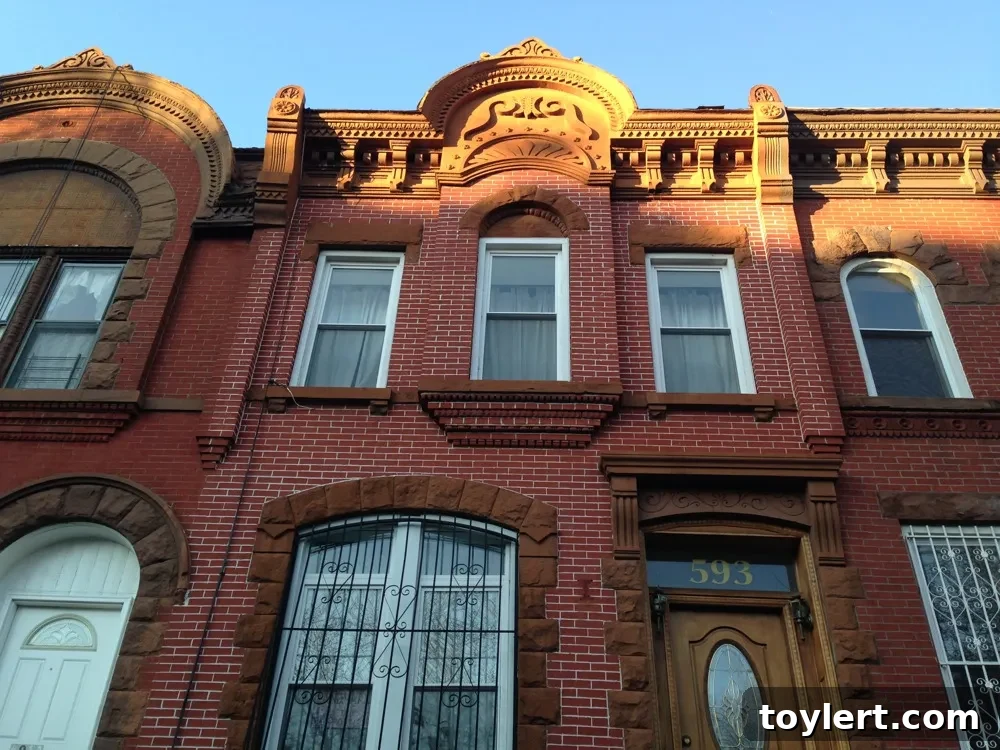
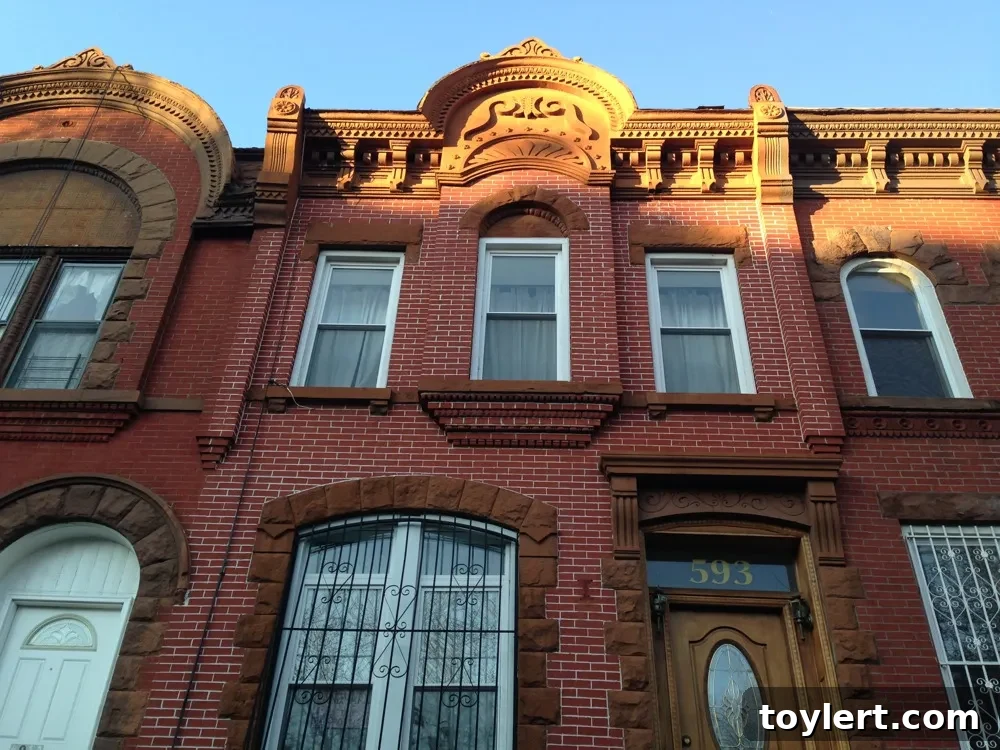
While the plan struggled to catalyze development in low-income areas, it simultaneously faced intense opposition for its potential impact on established, often historic, high-cost neighborhoods. Communities like Park Slope, Brooklyn Heights, and other brownstone districts in Brooklyn expressed grave concerns that upzoning would irrevocably alter their unique architectural character and community fabric. These areas are defined by their low-rise, historic buildings, tree-lined streets, and a distinct sense of place that residents deeply value.
Preservation vs. Development: A Clash of Ideals
The fear was that allowing taller, denser buildings would lead to the demolition of historic structures, cast long shadows over cherished public spaces and homes, strain existing infrastructure (schools, transit, sanitation), and fundamentally change the aesthetic and social dynamics of these neighborhoods. Residents argued that while increased housing supply is necessary, it should not come at the expense of irreplaceable heritage and community identity. They contended that the city was prioritizing sheer volume over thoughtful, context-sensitive development. The term “destroying the character” resonated deeply, encapsulating worries about losing the very qualities that make these neighborhoods desirable and contribute to New York City’s diverse urban landscape.
Critics further pointed out that even if these projects included a percentage of “affordable” units as per MIH, these units might still be out of reach for truly low-income families, given the high base costs of development in such prime locations. This raised questions about whether the plan was truly addressing the most acute housing needs or simply facilitating market-rate development with a token amount of moderately affordable units.
The Broader NYC Housing Crisis: A Complex Tapestry
The criticisms of de Blasio’s plan underscore the immense complexity of New York City’s housing crisis, a challenge shaped by high demand, limited land, prohibitive construction costs, and a dynamic real estate market. Solving affordability issues is not a simple matter of increasing supply or mandating inclusion. It requires a multi-faceted approach that considers:
- Economic Viability: Ensuring that development, especially affordable development, is financially feasible for builders.
- Community Preservation: Balancing the need for growth with the desire to protect historic and cultural assets.
- Infrastructure Capacity: Ensuring that new development is supported by adequate transportation, utilities, and public services.
- Equity and Displacement: Preventing existing residents from being priced out or displaced by new development, even if it includes some affordable units.
- Market Dynamics: Understanding how different sub-markets within the city respond to various incentives and regulations.
The debate surrounding de Blasio’s plan also highlighted the persistent tension between city-wide policy goals and the specific needs and concerns of individual neighborhoods. What might seem like a logical solution on paper can encounter significant resistance when it impacts the daily lives and long-term futures of residents.
Lessons Learned and Looking Ahead
The de Blasio administration’s housing initiatives, despite their stated good intentions, offer valuable lessons for future urban planning efforts. The dual critique—failing to stimulate true affordability in low-income areas while threatening the character of high-income ones—suggests that a one-size-fits-all approach to zoning and development incentives may not be effective in a city as diverse and complex as New York. Future strategies will likely need to adopt more nuanced, localized approaches, tailoring solutions to the specific economic conditions, existing housing stock, and community aspirations of each neighborhood.
The ongoing challenge for New York City remains: how to foster sustainable growth, create genuinely affordable housing for all income levels, and preserve the unique character that makes its neighborhoods so vibrant and desirable, all while navigating the powerful forces of the real estate market and diverse community interests. The path forward demands continuous dialogue, adaptable policies, and a deep understanding of the city’s intricate urban fabric.