Bridging Centuries: The Pieter Claesen Wyckoff House Embraces a Modern Future
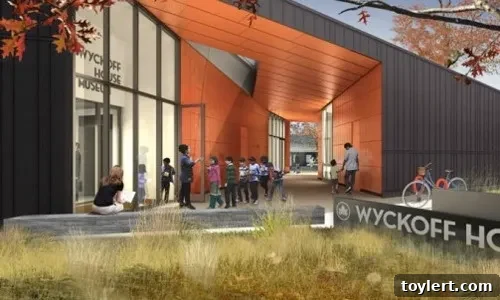
The Pieter Claesen Wyckoff House, proudly standing as New York City’s oldest structure, is set to embark on an exciting new chapter with the addition of a strikingly modern annex. Renderings recently unveiled by Inhabitat showcase a bold architectural vision that promises to enhance the museum’s capabilities while respectfully engaging with its profound historical context. This ambitious project represents a fascinating dialogue between the past and the present, ensuring that the 1652 landmark continues to thrive as a vital educational and cultural institution for generations to come. Located in the heart of Flatbush, Brooklyn, the Wyckoff House serves as a tangible link to the city’s Dutch colonial roots, offering an invaluable glimpse into early American life and settlement patterns. The forthcoming addition, designed by the acclaimed firm nARCHITECTS, is poised to redefine the visitor experience and fortify the museum’s role in preserving a unique piece of American heritage.
A Glimpse into History: The Enduring Legacy of the Wyckoff House
Erected in 1652 by Pieter Claesen Wyckoff, a Dutch immigrant who arrived in New Netherland in 1637, the Pieter Claesen Wyckoff House stands as a testament to the pioneering spirit of early European settlers. This venerable farmhouse is not merely an old building; it is a living document, a silent observer of centuries of change, growth, and the relentless march of time in what would become one of the world’s most dynamic cities. The house itself is a rare example of Dutch colonial timber-frame architecture, showcasing construction techniques and design principles that were prevalent in the region during the 17th century. Its rustic charm and authentic materials offer a stark contrast to the sprawling urban landscape that has grown around it. Recognized as a National Historic Landmark, the Wyckoff House operates today as a museum, managed by the Wyckoff House Association, dedicated to educating the public about colonial life, sustainable farming practices, and the rich history of Brooklyn. Its enduring presence underscores the importance of preserving architectural heritage and the stories embedded within these ancient structures. However, operating a 17th-century building as a modern museum presents unique challenges, particularly concerning accessibility, space for administrative functions, and the capacity for contemporary educational programming and exhibitions.
The Vision for Expansion: Meeting Modern Museum Needs
The decision to construct a new addition stemmed from a growing need to expand the museum’s operational capacity and enhance the overall visitor experience. As a revered historic site, the Wyckoff House faced limitations in accommodating modern amenities, administrative offices, and dedicated spaces for diverse educational activities without compromising the integrity of the original structure. Initial concepts for an addition had been envisioned, but the final design from nARCHITECTS represents a refreshing departure, offering a distinctly contemporary architectural statement. This bold approach acknowledges the challenges of retrofitting a centuries-old building for 21st-century demands, opting instead for a symbiotic relationship between old and new. The new visitor center and administrative hub will provide much-needed infrastructure, allowing the historic house itself to be preserved as a pristine historical artifact while modern functions are housed in a purpose-built facility. This strategic separation ensures that the delicate fabric of the original Wyckoff House remains untouched by the heavy foot traffic and technological requirements of a bustling museum, offering a protective layer and a clear distinction between eras.
nARCHITECTS’ Design Philosophy: A Modern Echo of Rural Roots
The architectural firm nARCHITECTS, known for its innovative and context-sensitive designs, has masterfully conceived an addition that is both “strikingly modern” and deeply respectful of the site’s agrarian past. The design draws inspiration from the very farm outbuildings that would have once dotted the property surrounding the original 17th-century farmhouse. This design choice is brilliant in its subtlety, creating a contemporary structure that evokes the spirit of the site’s agricultural heritage without resorting to imitation. The new space is conceived as a completely separate entity from the old house, fostering a visual and experiential dialogue rather than an attempt to blend seamlessly. This separation is key to its success, allowing the addition to stand on its own as a piece of modern architecture while simultaneously highlighting the historical significance of the Wyckoff House. Renderings, such as those featured on Inhabitat, reveal a design characterized by clean lines, natural materials, and an emphasis on light and openness, providing a welcoming contrast to the solidity of the historic home.
One of the most ingenious aspects of nARCHITECTS’ design is its strategic placement. The new addition is carefully positioned between the original Wyckoff House and the bustling urban street. This thoughtful arrangement serves a dual purpose: it acts as a contemporary buffer, shielding the ancient 1652 structure from the noise and visual intrusion of its now-urban surroundings, creating a more serene and contemplative environment for visitors approaching the historic building. Simultaneously, it creates a new, distinct entry point and a modern gateway to the museum campus, guiding visitors through a thoughtfully designed sequence that prepares them for their journey back in time. This architectural intervention transforms the site into a cohesive complex, where the past and present are not merely juxtaposed but are actively engaged in a meaningful conversation, enhancing both the functionality and the narrative power of the museum. The firm’s approach embodies a forward-thinking preservation strategy, demonstrating that historic sites can embrace contemporary architecture as a means of ensuring their continued relevance and sustainability.
Enhanced Functionality and Community Engagement
The new addition promises to revolutionize the operational capabilities of the Pieter Claesen Wyckoff House Museum. Beyond its striking aesthetic, the building is designed to house a comprehensive suite of modern museum facilities. This includes much-needed administrative offices, providing a dedicated and efficient workspace for the museum staff who tirelessly work to preserve and promote the Wyckoff legacy. Crucially, the addition will feature expanded spaces for museum activities and displays, allowing for more diverse and interactive exhibitions. This means the museum can host larger groups, facilitate engaging educational programs for schools and the community, and present a broader array of interpretive materials that delve deeper into the house’s history, the lives of its inhabitants, and its broader impact on American heritage. Expect dedicated visitor reception areas, accessible restrooms, and potentially a small gift shop, all designed to enhance the comfort and convenience of museum-goers. The increased capacity and improved facilities will undoubtedly bolster the museum’s ability to serve its community, attract new visitors, and solidify its position as a premier historical attraction in Brooklyn and New York City at large.
Reimagining the Grounds: Landscaping with Native Plants
Complementing the architectural enhancements, the project also includes extensive new landscaping for the museum grounds, with a significant focus on incorporating native plants. This element of the design is not merely aesthetic; it is deeply rooted in historical accuracy and ecological stewardship. By utilizing native flora, the landscape design aims to evoke a sense of the historical environment that would have surrounded the Wyckoff House in its agricultural prime, connecting visitors even more intimately with the site’s agrarian past. Furthermore, the use of native plants promotes biodiversity, supports local ecosystems, and requires less maintenance and water, aligning with modern sustainable practices. The redesigned grounds will create a harmonious transition between the historic house and the modern addition, providing outdoor spaces for contemplation, education, and community events. This holistic approach ensures that every aspect of the museum experience, from the architecture to the surrounding natural environment, contributes to a rich and informative journey through history. The commitment to native plants underscores a broader dedication to environmental responsibility and historical authenticity, making the Wyckoff House a model for contemporary heritage sites.
A Bridge to the Future: Preservation and Innovation
The expansion of the Pieter Claesen Wyckoff House represents a significant moment in the ongoing narrative of historic preservation in New York City. It showcases a forward-thinking approach that recognizes the dynamic relationship between history and modernity. By commissioning a bold, contemporary addition that complements rather than competes with the ancient structure, the Wyckoff House Association, in collaboration with nARCHITECTS, is setting a new standard for how historic sites can adapt and thrive in the 21st century. This project moves beyond mere preservation to active revitalization, ensuring that the stories held within the walls of NYC’s oldest house remain accessible and relevant to a diverse audience. The thoughtful design, with its strategic placement and nod to agricultural history, provides a compelling case study for integrating new architecture into sensitive historical contexts. Construction is slated to commence later this year, promising to transform the Wyckoff House into an even more vibrant and essential cultural beacon in Brooklyn. For those interested in its exact location and surroundings, a GMAP link offers a clear view of this significant Flatbush landmark. The anticipation for this new chapter at the Wyckoff House is palpable, promising an enriched experience for all who visit this remarkable piece of living history.